
Trees
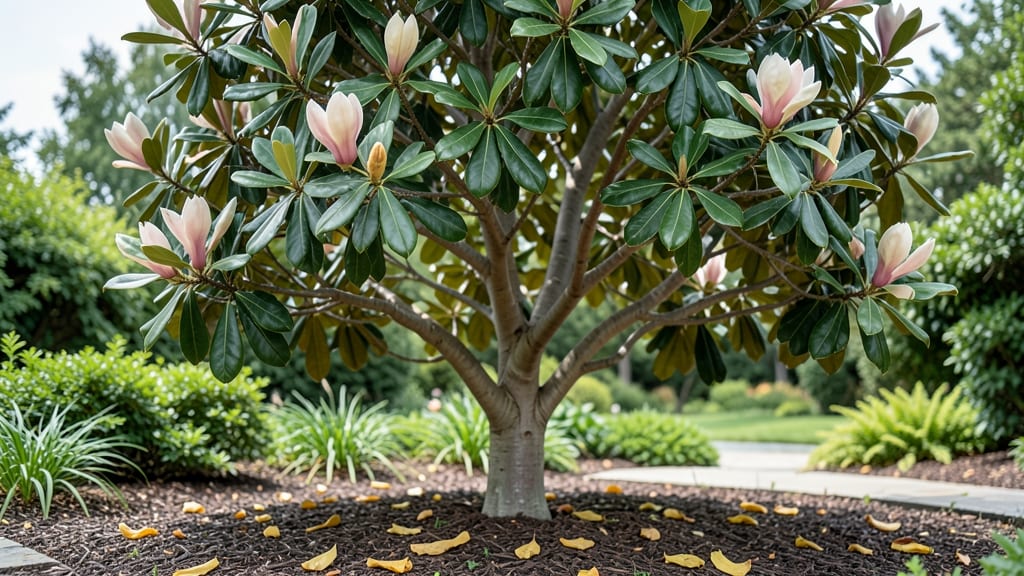
My magnolia tree’s leaves started falling off like autumn leaves in June—and I knew root rot was the culprit. 🌿 The good news? You can turn this around with 3 simple steps that don’t require digging up the whole yard. I’ve saved three magnolias this way, and they’re thriving again.
Root rot thrives when soil stays soggy for weeks, cutting off oxygen to roots. Overwatering, poor drainage, or heavy clay soil are usually to blame. The first sign? Yellowing leaves that drop suddenly, even when the tree looks healthy above ground. My second magnolia fooled me for months this way.
By improving drainage and cutting back on water, you’ll see new growth in 4-6 weeks. The key is testing soil moisture before watering—stick your finger in the soil first. If it’s damp, wait. If it’s bone-dry, water deeply but only once a week unless it’s scorching hot.
This works for both young and mature magnolias, whether planted in ground or containers. The same steps saved my neighbor’s 20-year-old Southern magnolia after a rainy spring. Let’s get your tree back to full, glossy glory.
Root Causes Behind Dropping Leaves
Understanding why your magnolia tree’s leaves are falling off starts with identifying the underlying stressor. Magnolias are generally hardy, but their broad, glossy foliage is highly sensitive to environmental and biological imbalances.
Below, we break down the most common culprits—root rot, nutrient deficiencies, pests, disease, and environmental stress—and explain the science behind each.
Root rot is the #1 reason magnolia trees shed leaves prematurely, often triggered by overwatering, poor drainage, or fungal infections like Phytophthora. Here’s how it works:
- Oxygen Deprivation: Magnolia roots thrive in well-drained, slightly acidic soil (pH 5.0–6.5). When soil stays soggy, roots suffocate, cutting off water and nutrient uptake.
The tree’s survival response? Dropping leaves to conserve energy. - Fungal Invasion: Fungi like Phytophthora cinnamomi thrive in waterlogged conditions, clogging root cells and blocking nutrient transport.
Infected roots turn dark, mushy, and emit a foul odor—a red flag for root rot. - Symptoms Beyond Leaves: Look for yellowing leaves (chlorosis), stunted growth, or wilted foliage that recovers at night (a classic root rot sign).
💡 Pro Tip: Stick your finger 2 inches into the soil—if it’s damp after 24 hours, drainage is the issue. Amend soil with perlite or sand and avoid overhead watering.
Magnolias are heavy feeders, and deficiencies in nitrogen, magnesium, or iron can cause leaf drop. Here’s the breakdown:
| Deficiency | Leaf Symptoms | Cause | Fix |
|---|---|---|---|
| Nitrogen (N) | Pale green/yellow leaves, slow growth | Poor soil, over-pruning, or synthetic fertilizer imbalance | Apply slow-release organic fertilizer (e.g., compost or blood meal) in spring. |
| Magnesium (Mg) | Yellowing between leaf veins (interveinal chlorosis) | Compacted soil, high pH, or over-fertilization with nitrogen | Epsom salt spray (1 tbsp/gallon water, applied foliarly) or dolomitic lime for soil. |
| Iron (Fe) | Bright yellow leaves (no green veins) | Alkaline soil (pH >7.0) locks out iron | Chelated iron supplement or sulfur-based soil amendment to lower pH. |
⚠️ Warning: Over-fertilizing can burn roots, worsening leaf drop. Test soil first!
Insects like magnolia scale, lace bugs, or spider mites drain sap, causing leaves to yellow, curl, and drop. Here’s how they attack:
- Scale Insects: These armored pests (magnolia scale) secrete honeydew, fostering sooty mold. Infested leaves turn bronzy and crispy before falling. - Lace Bugs: Tiny, lace-winged insects feed on leaf undersides, creating stippled yellow patterns.
Heavy infestations cause premature defoliation. - Spider Mites: In dry, hot conditions, these microscopic pests spin webs and suck cell sap, leading to speckled, wilting leaves.
🔥 Quick Fix: Blast pests off with a strong hose spray, then apply neem oil or insecticidal soap (repeat every 5–7 days).
Fungi like anthracnose or powdery mildew thrive in humid, shaded conditions, causing leaves to yellow, blister, and drop. Key offenders:
- Anthracnose (Colletotrichum): Causes dark, sunken lesions on leaves, often in spring.
Wet foliage accelerates spread. - Powdery Mildew: A white, talcum-like coating on leaves weakens photosynthesis, leading to premature drop. - Target Spot: Reddish-brown spots with gray centers appear in summer, expanding until leaves fall.
🌡️ Prevention: Improve air circulation (prune dense branches), water at the base (avoid wetting leaves), and apply copper fungicide at first signs.
Magnolias are sensitive to abrupt changes. Common triggers:
- Sudden Temperature Shifts: Late spring frosts or heatwaves (>90°F) shock the tree, causing leaf scorch and drop.
- Wind Burn: Desiccating winds dry leaf edges, turning them brown and crispy (common in exposed locations).
- Transplant Shock: Newly planted magnolias may shed 30–50% of leaves for 6–12 months as roots establish.
✨ Solution: Mulch heavily (3–4 inches of organic mulch) to stabilize soil temp, and water deeply during droughts (1–2 inches per week).
🎯 Key Takeaway: Most leaf drop in magnolias stems from root stress (rot or compaction) or nutrient/pest imbalances. Act fast—healthy roots = retained leaves! Next, we’ll cover 3 simple rescue steps to revive your tree.
Revive Your Magnolia’s Health
Now that you know why your magnolia’s leaves are dropping, let’s tackle the solutions—step by step—to bring your tree back to its lush, leafy glory.
Whether the issue is root rot, pests, disease, or environmental stress, these fixes are designed to be practical, effective, and easy to follow. Plus, we’ll share prevention tips to keep your magnolia thriving long-term.
If root rot is the culprit, act fast—this condition spreads quickly and can be fatal if untreated.
🔥 Step 1: Assess the Damage
Before diving in, check the severity:
- Gently dig around the base (6–12 inches deep) to inspect the roots.
- Healthy roots are firm, white, or tan; rotten roots are mushy, dark brown/black, and may smell foul.
- If more than 30% of roots are affected, your tree may need partial removal (consult an arborist if unsure).
🍳 Step 2: Prune and Clean the Roots
- Trim away dead/dying roots with sterilized pruners (rubbing alcohol or bleach solution).
- Remove infected soil (discard it—don’t compost!) and replace with fresh, well-draining soil.
- Disinfect tools between cuts to prevent spreading disease.
👨🍳 Step 3: Improve Drainage & Soil
- Raise the planting area: If your magnolia sits in a low spot, mound gravel or sand beneath the root zone to prevent waterlogging.
- Amend the soil: Mix in perlite, compost, or pine bark fines (20–30%) to improve aeration.
- Install a French drain (if water pools near the base) to redirect excess moisture.
🥘 Step 4: Apply Fungicide & Mulch
- Fungicide treatment: Use a copper-based or phosphite fungicide (like Subdue or Aliette) to combat the fungus.
Follow label instructions for application. - Mulch properly: Spread 2–4 inches of organic mulch (wood chips, pine straw) 3–6 inches away from the trunk to regulate soil temperature and moisture.
⏰ Step 5: Monitor & Adjust Watering
- Water deeply but infrequently—only when the top 2 inches of soil are dry.
- Avoid overhead watering (use drip irrigation or soaker hoses to keep foliage dry).
- Check drainage after heavy rains—if water pools, create shallow trenches to divert it.
💡 Pro Tip: If root rot is severe, transplanting may be necessary. Dig up the tree, trim the worst roots, and replant in well-draining soil with a slightly elevated base.
If spider mites, scale, or fungal diseases (like powdery mildew or anthracnose) are to blame, here’s how to kick them out for good.
🔪 Step 1: Identify the Pest/Disease
- Spider mites: Look for tiny webs on undersides of leaves and speckled yellowing.
- Scale insects: Check for brown/bumpy spots on stems and leaves.
- Fungal issues: Powdery mildew = white powder; anthracnose = dark spots with yellow halos.
🍳 Step 2: Manual Removal & Pruning
- Blast off spider mites with a strong spray of water (repeat weekly).
- Scrape off scale insects with a plastic scraper (soapy water helps loosen them).
- Prune infected branches (sterilize tools between cuts!) and dispose of them in the trash (not compost).
👨🍳 Step 3: Apply Targeted Treatments
| Problem | Solution |
|---|---|
| Spider Mites | Neem oil spray (mix 1 tbsp neem oil + 1 tsp mild soap + 1 quart water). Spray every 5–7 days until gone. |
| Scale Insects | Horticultural oil (like Dormant Oil) or insecticidal soap. Apply when temps are above 50°F. |
| Powdery Mildew | Baking soda spray (1 tsp baking soda + 1 quart water + a drop of soap). Spray weekly on dry leaves. |
| Anthracnose | Copper fungicide (like Cheshunt Compound) or potassium bicarbonate. Apply every 10–14 days. |
🥘 Step 4: Strengthen the Tree’s Defenses
- Fertilize lightly with a balanced, slow-release fertilizer (10-10-10) in early spring.
- Boost humidity (if dry air is an issue) with a sprinkler near the base or group plants together.
- Avoid overhead watering to keep foliage dry (fungi love moisture!).
💡 Pro Tip: Beneficial insects like ladybugs or lacewings can help control pests naturally. Introduce them after treating with chemicals (give them 2–3 days to settle).
If heat, cold, wind, or transplant shock caused the leaf drop, these steps will revive your magnolia’s resilience.
🌿 Step 1: Shield from Harsh Conditions
- Heat/cold stress:
- Young trees: Wrap the trunk with burlap in winter or provide shade cloth in summer.
- Mature trees: Plant windbreaks (like evergreens) to block harsh winds.
- Transplant shock:
- Water deeply every 2–3 days for the first month after moving.
- Avoid fertilizing for 6–8 weeks post-transplant (focus on recovery first).
🎯 Step 2: Adjust Care Routine
- Watering: Deep water 2–3 times per week (adjust based on rainfall).
- Pruning: Remove only dead/dying branches—avoid heavy pruning during stress.
- Mulching: Replenish mulch if it’s broken down (keep it 3–4 inches thick but away from the trunk).
✨ Step 3: Boost Nutrients Gently
- Iron deficiency? Apply chelated iron (like Ironite) to the soil or use foliar spray.
- Slow-release fertilizer: Use a low-nitrogen formula (like 5-10-10) in early spring.
💡 Pro Tip: Mulch volcanoes (piling mulch against the trunk) can smother roots and trap moisture. Keep mulch even and sloped away from the base.
Once your magnolia is back in shape, keep it healthy with these easy maintenance habits:
✅ Soil Test Annually – Check pH and nutrient levels (magnolias prefer slightly acidic soil, pH 5.0–6.0). ✅ Prune in Late Winter – Remove dead wood and crossing branches to improve airflow. ✅ Monitor for Pests Early – Inspect leaves monthly (especially in spring/summer). ✅ Avoid Overwatering – Let soil dry between waterings (stick your finger 2 inches deep to check). ✅ Plant in the Right Spot – Full sun to partial shade (6+ hours of sun) and well-draining soil are key!
By following these targeted solutions, your magnolia should regain its leaves and vitality within a few weeks to months. Stay patient—some trees take time to bounce back, but with the right care, your magnolia will thrive for decades! 🌿💚
Frequently asked questions
Why do magnolia leaves turn yellow before falling off?
Yellowing before leaf drop usually signals nutrient deficiencies (like iron or magnesium) or root stress from overwatering. Check soil moisture first—if damp, you may have root rot. For yellowing between veins, try Epsom salt spray (1 tbsp/gallon water) for magnesium.
Can I save a magnolia with 50% leaf loss?
Yes! Focus on root health first. Improve drainage by adding perlite or compost, reduce watering to once weekly (unless drought-stressed), and apply copper fungicide if fungal issues exist. New growth should appear in 4-6 weeks with consistent care.
How do I know if my magnolia has root rot?
Dig 6 inches deep near the base—healthy roots are firm and tan, while rotten roots are mushy, dark brown/black with a foul odor. If you see more than 30% affected roots, prune the worst ones and replant in well-draining soil with gravel beneath.
Will pruning help my magnolia keep its leaves?
Pruning alone won’t fix leaf drop, but removing dead/diseased branches improves airflow and reduces stress. Focus on root care (drainage, watering) and pest control (neem oil for mites). Prune in late winter for best results.
How often should I water a magnolia with leaf drop?
Water deeply but infrequently—only when the top 2 inches of soil are dry. Avoid overhead watering (use drip irrigation). In summer, 1-2 inches per week (including rain) is ideal. Overwatering is the #1 cause of leaf loss in magnolias!