
Trees
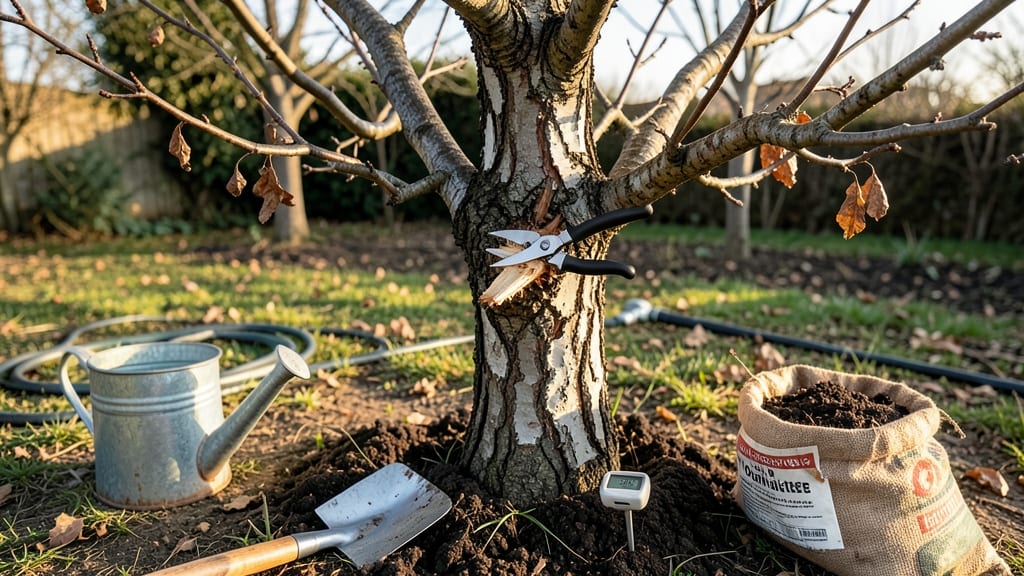
You can sometimes bring a dead tree back to life if its root system is still alive and the tree is merely dormant or suffering from stress. Act quickly by pruning dead branches, providing deep watering, and adding mulch while watching for signs of regrowth like new buds or sap. For severe damage or disease, professional evaluation is essential.
Can you bring a dead tree back to life? Reviving a tree depends on whether it's truly dead or just in a survival mode. 🌱 The key difference lies in the roots—healthy roots can still support new growth even if the canopy looks lifeless.
I've seen oak trees "come back" after droughts by simply receiving consistent moisture and proper care. However, if the bark is cracked or the trunk feels hollow when tapped, the tree is likely beyond recovery.
When you start the revival process, focus on three critical factors: water, soil health, and seasonal timing. Deep watering helps rehydrate roots, while aerating compacted soil improves oxygen flow.
Most importantly, don't rush—trees often show signs of recovery in late spring when growth naturally accelerates. Patience and observation are your best tools.
💡 In This Article
- Signs a Dead Tree Might Still Be Revivable
- Step-by-Step Tree Revival Techniques for Gardeners
Signs a dead tree might still be revivable
First, examine the bark for signs of life. Healthy trees often have bark that's slightly flexible when gently pressed—this indicates moisture retention.
Look for small cracks or peeling sections, which can reveal fresh green tissue underneath, a clear sign the tree isn't completely dead. 🌿 The presence of buds (even if they're brown or dormant) means the tree's still metabolizing, as buds contain meristematic cells that can sprout new growth when conditions improve.
Branch flexibility is another key indicator. Snap a small branch—if it breaks with a clean snap and reveals green tissue inside, the tree has a chance. If it crumbles into dry, brown powder, the tree is likely beyond saving.
Also check for sap flow: Make a shallow cut in the bark and observe—if clear or slightly yellow sap oozes out within minutes, the vascular system is still active. This is your strongest sign that roots are alive and capable of supporting revival.
Seasonal timing plays a crucial role in assessing revival potential. Trees in dormancy (winter months) may appear dead but are actually conserving energy. However, if you notice new growth in spring or summer, that's your confirmation the tree is still viable.
The root system's ability to absorb water is the real litmus test—if you can't see any moisture uptake after deep watering, the roots may be compromised. 💧
Don't overlook the soil conditions around the tree. Compacted or waterlogged soil can suffocate roots, making them appear dead when they're actually struggling. Dig a small test hole near the trunk—healthy roots should appear white or light tan with a slightly rubbery texture.
Dark, mushy roots indicate rot, while completely absent roots mean the tree has no chance of recovery.
Consider the tree's history and environmental stressors. A tree that died from drought or construction damage might revive with proper care, while one killed by disease (like Dutch elm disease) or pest infestation (like emerald ash borer) is unlikely to recover.
The key difference is whether the damage was temporary (like water stress) or permanent (like fungal invasion). 🌳
Finally, pay attention to the trunk's condition. Tap the trunk with a hammer—if it sounds hollow or feels soft, the tree is dead. But if it has a solid, resonant thud, the internal structure is intact.
This test reveals whether the tree's core is still viable for potential regrowth. Remember, even "dead" trees can surprise you—some species like oaks have been known to regrow from stumps years after appearing lifeless.