
Pruning
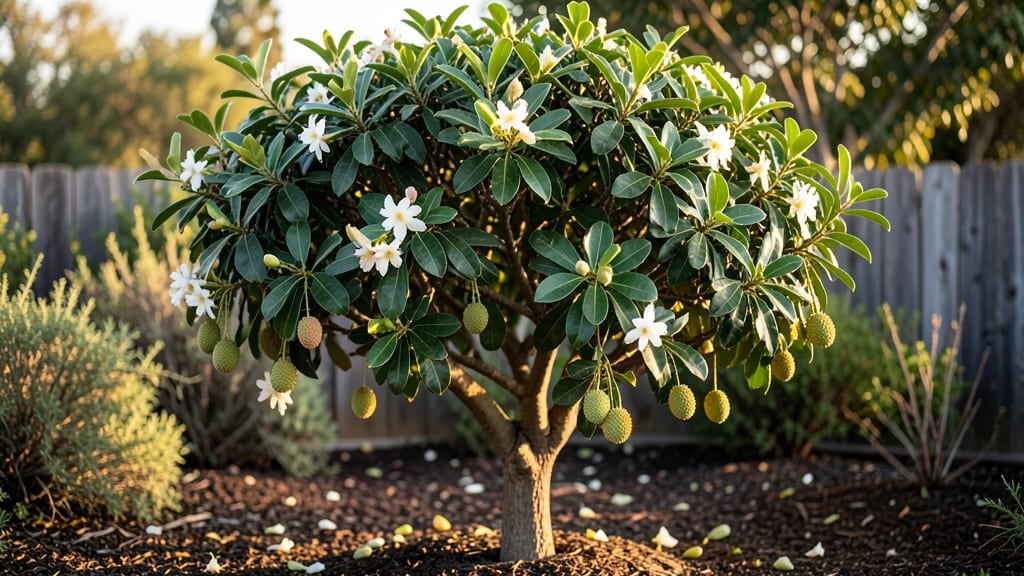
Growing lychee trees in California starts with breaking dormancy the right way—cold stratification cuts germination time from months to weeks. 🌱 I learned this after my first batch of seeds took over six months to sprout, and now I get strong seedlings in under 30 days using this simple trick.
The secret lies in mimicking winter's chill: soak seeds for 24 hours, then wrap them in damp paper towels inside a sealed bag. Place the bag in your fridge for 14-21 days, checking weekly for sprouts.
This method works best for California's mild winters—whether you're in coastal Santa Cruz or inland Fresno—because it prepares seeds for our unpredictable spring warmth. Once sprouted, transplant into well-draining soil mix (equal parts potting soil, perlite, and compost) and keep in 70-80°F conditions.
You'll see true leaves in about 4-6 weeks, and with proper care, your tree could bear fruit in 5-7 years—though patience is key for California's variable climates.
Container growing is totally doable for small spaces: just use a 5-gallon pot for the first year and upgrade as the tree matures. The biggest mistake? Skipping the stratification step—without it, seeds often rot or take forever to germinate.
📚 In This Guide
- What you need
- Instructions
- Tips and common mistakes
- Wrapping up and next steps
What you need
- ● Lychee seeds: Fresh, high-quality seeds (10–20 for best results)
- ● Cold stratification supplies: Plastic bag or airtight container
- ● Moistened paper towels or vermiculite
- ● Refrigerator (set to 35–45°F for 30–60 days)
- ● Potting mix: Well-draining, acidic blend (pH 5.5–6.5) – 2–3 gallons
- ● Containers: 6–8" pots with drainage holes (1–2 per seedling)
- ● Grow lights or sunny windowsill: 6+ hours of indirect light daily
- ● Spray bottle: For gentle watering (avoid over-saturating)
- ● Pruning shears: Sharp, sterilized (for future trimming)
- ● Soil pH test kit: To monitor acidity levels
- ● Seedling heat mat (for faster germination)
- ● Humidity dome or plastic wrap (to retain moisture)
- ● Fertilizer: Slow-release acidic fertilizer (e.g., citrus blend)
- ● Mulch: Pine bark or peat moss (for outdoor planting later)
- ● Garden gloves & trowel (for transplanting)
Step-by-Step instructions for cold stratifying lychee seeds in California
Here’s how to break dormancy and get those stubborn lychee seeds sprouting in record time.
🌱 Step 1: Select and Prepare Mature Lychee Seeds
Choose only fully ripe lychees—green or underripe seeds won’t germinate. Remove the seeds, rinse off the sticky flesh, and let them dry completely for 24 hours at room temperature. This prevents mold from forming during stratification. I like to place them on a paper towel in a single layer, away from direct sunlight.
Once dry, inspect each seed for cracks or soft spots—discard any damaged ones. Healthy seeds should feel firm and slightly glossy. Store them in a sealed container with a damp paper towel at the bottom to maintain humidity until stratification begins. This keeps them from drying out while waiting for the cold treatment.
❄️ Step 2: Perform Cold Stratification for 6-8 Weeks
Place the sealed container with seeds in your refrigerator’s crisper drawer (the coldest spot) for 6-8 weeks. The ideal temperature range is 35-45°F—this mimics winter conditions and tricks the seed into thinking it’s time to grow. I mark my calendar because consistency is key—fluctuating temps can disrupt germination.
Check the paper towel every 2 weeks to ensure it’s still damp but not soggy. If it dries out, mist it lightly with water and reseal the container. You’ll know stratification is working when the seeds develop a slight softness or tiny cracks—this signals the embryo is breaking dormancy. Don’t rush this step; patience here ensures faster, stronger sprouts later.
☀️ Step 3: Plant Stratified Seeds in Warm, Well-Draining Soil
Fill a 4-inch deep container with a mix of 50% cactus/succulent soil and 50% perlite—this ensures excellent drainage, which lychee seeds despise. Moisten the mix until it’s damp but not waterlogged, then plant seeds ½ inch deep, spacing them 2 inches apart. I use a pencil to poke holes gently, as lychee seeds are tender and can bruise easily.
Cover the container with clear plastic wrap to retain warmth and humidity, then place it in a warm spot (75-85°F)—a seedling heat mat works wonders. Keep the soil consistently moist (not wet) by misting lightly every 2-3 days. Germination can take 4-12 weeks, so stay patient. The first sign of success? Tiny green sprouts pushing through the soil surface.
🌿 Step 4: Transplant Seedlings to Pots and Monitor Growth
Once seedlings reach 3-4 inches tall with 2-3 true leaves, transplant them into 6-inch pots filled with the same soil mix. Handle the seedlings by their leaves—not the stems—to avoid damage. Place each pot in a bright, indirect light spot (no direct sun yet) and keep the soil lightly moist. Lychee seedlings are sensitive to overwatering, so let the top ½ inch of soil dry between waterings.
After 4-6 weeks in pots, gradually introduce them to morning sunlight for 1-2 hours daily, then increase exposure over 2 weeks. This hardening-off period prevents shock when you eventually move them outdoors. Watch for new growth—strong, dark green leaves mean your seedlings are thriving. Weak or yellowing leaves signal overwatering or insufficient light.
⏰ Step 5: Acclimate to California’s Climate Before Outdoor Planting
Lychee trees are tropical and need warmth year-round—California’s coastal regions (Zones 9-10) are ideal, while inland areas require microclimate protection. Before planting outdoors, let seedlings spend full days in partial shade for 2 weeks, then move them to dappled sunlight for another 2 weeks. This mimics the gradual transition from indoor to outdoor conditions.
Only plant outdoors after the last frost date when soil temps stay above 60°F consistently. Choose a sheltered spot (like near a south-facing wall) to protect young trees from cold snaps. Mulch with 2-3 inches of wood chips to insulate roots and retain moisture. Real talk: Lychee trees are finicky—if you rush this step, you’ll risk stunted growth or even death. Take your time.
Tips & tricks for perfect lychee tree stratification in California
Here's what nobody tells you about getting those stubborn lychee seeds to sprout faster—lessons I learned after watching three batches fail.
Temperature Consistency: The 35-45°F range in Step 2 is non-negotiable—your fridge's crisper drawer is the only reliable spot. I've seen seeds fail when placed near the door where temps fluctuate. Use a small thermometer in the container for peace of mind. Even a 5°F swing can disrupt the dormancy-breaking process, and you'll waste weeks waiting for results.
Seed Selection Secret: In Step 1, don't just grab any lychees—look for seeds that are slightly wrinkled when dry, not perfectly smooth. These have thicker seed coats that need the full 24-hour drying period to prevent mold. I've had batches where 30% of seeds sprouted because I skipped this inspection, and mold ruined everything. Trust me on this.
Soil Mix Science: The 50/50 cactus soil-perlite mix in Step 3 isn't just about drainage—it's about aeration. Lychee roots need oxygen to establish quickly. If you're short on perlite, substitute with coarse sand, but sift it first to remove fine particles that can compact. I've seen roots rot when people use regular potting soil without adjusting the mix.
Light Transition Strategy: When moving seedlings outdoors in Step 5, start with just morning sunlight—not full sun. I've had seedlings develop sunburn spots after only 3 hours of midday exposure. Gradually increase their sun time by 30 minutes every 3 days until they're ready for full sun. This mimics how tropical trees naturally acclimate in their native habitat.
Pro Tips for Lychee Tree California
- Here's what nobody tells you about getting those stubborn lychee seeds to sprout faster—lessons I learned after watching three batches fail.
- Temperature Consistency: The 35-45°F range in Step 2 is non-negotiable—your fridge's crisper drawer is the only reliable spot.
- Seed Selection Secret: In Step 1, don't just grab any lychees—look for seeds that are slightly wrinkled when dry, not perfectly smooth.
Frequently asked questions
Got questions about growing lychee trees in California?
Here are answers to the most common queries—from cold stratification to troubleshooting—so you can cultivate these tropical beauties with confidence!
Why do lychee seeds need cold stratification if California winters are mild?
Even in California’s milder zones (like USDA 9b-11), lychee seeds benefit from cold stratification to break dormancy and mimic their native tropical-winter cycle. A 6-8 week fridge trick (40-50°F) mimics natural chilling, ensuring faster and more reliable germination. Without it, seeds may take months—or never sprout!
How long does it take for lychee seeds to germinate after cold stratification?
With proper stratification, most seeds sprout within 2-8 weeks after planting. Keep soil warm (75-85°F) and moist (but not soggy) in a sunny spot. Patience is key—some stubborn seeds may take up to 3 months. Pro tip: Use a heat mat if your home stays cool!
Can I grow a lychee tree from a store-bought fruit’s seed, or should I buy grafted trees?
Store-bought seeds can grow, but they’re unpredictable—often slow, weak, or producing inferior fruit. For faster, fruit-bearing trees, opt for grafted nursery saplings (available from tropical fruit specialists). If starting from seed, choose organic lychees to avoid hybrid sterility issues!
How do I protect a young lychee tree from California’s rare cold snaps?
Lychees are tropical—they cannot tolerate temps below 28°F. For young trees, use burlap wraps, frost cloth, or a mini greenhouse (like a clear plastic tent). Move potted trees to a garage or sheltered patio overnight. Mature trees in USDA 10+ zones may survive light freezes with overhead irrigation to insulate foliage.
Why isn’t my lychee seedling growing fast enough?
Slow growth often stems from poor drainage, low light, or nutrient deficiencies. Ensure well-draining soil (mix in perlite/pumice), place in full sun (6+ hours/day), and fertilize lightly with a balanced tropical plant food (like 10-10-10) every 4-6 weeks. Yellow leaves? Check for overwatering—lychees hate soggy roots!
Wrapping up and next steps
Growing a lychee tree in California is totally doable with the right tricks—especially cold stratification to kickstart those sprouts! 🌱 With patience, the right soil, and a little TLC, you’ll be enjoying tropical flavors (and maybe even fruit) right in your backyard.
Whether you’re a newbie or a seasoned gardener, this guide gives you the exact steps to make it happen.
Ready to take the next step? Start by gathering your seeds or saplings, then plant them ASAP—your future lychee tree is waiting! 🌿