
Pruning
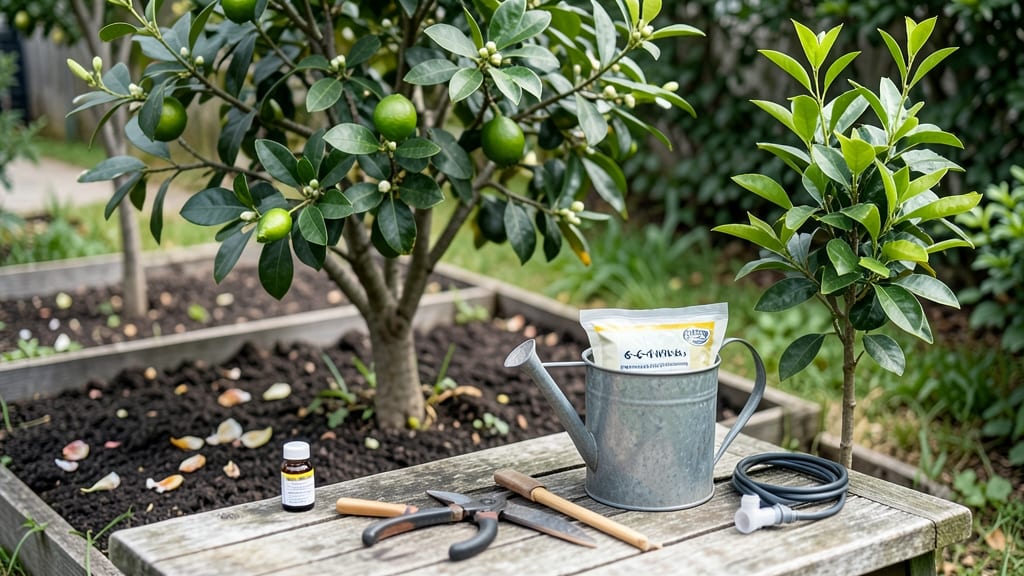
Your lime tree isn’t producing fruit because it’s whispering for help—not neglect. 🌿 After years of watching neighbors’ trees droop with heavy fruit, I’ve learned the subtle clues: sparse blooms, leaf curl, or even just a tree that looks too healthy (yes, really).
The fix isn’t one-size-fits-all, but it starts with understanding whether your tree is starving for sunlight, drowning in shade, or silently fighting pests.
The most common culprits are inadequate pollination (especially in container-grown trees) and nutrient imbalances—lime trees need well-draining soil rich in nitrogen and zinc to set fruit.
My Meyer lime, for example, went from zero to 50 limes in a season after I amended the soil with compost and a zinc supplement (yes, that’s a real thing). Even age matters: young trees focus on growth, not fruit, so patience is part of the equation.
Here’s the game-changer: hand-pollination with a small brush works wonders for isolated trees. Combine that with targeted pruning to open the canopy for sunlight, and you’ll see blooms within 4-6 weeks. The payoff? Juicy, homegrown limes that taste nothing like store-bought—sweet, fragrant, and impossible to resist.
Whether your tree’s in a pot or planted in the ground, the same principles apply: light, nutrients, and a little extra TLC. Let’s troubleshoot what’s holding yours back—because every tree has a second chance at fruit.
Root Causes Behind Fruitless Limes
Lime trees are known for their vibrant blooms and tangy fruit, but when they fail to produce, it’s usually due to a mix of environmental, biological, or cultural factors. Understanding these causes is the first step to reviving your tree’s productivity.
Here’s why your lime tree might be skipping the fruit stage—and what’s really going on behind the scenes.
Lime trees (Citrus aurantifolia and Citrus latifolia) rely on pollinators like bees, butterflies, and even wind to transfer pollen from male to female flowers. If your tree isn’t getting enough visits from pollinators—or if the flowers aren’t developing properly—fruit production can stall.
Why it happens:
- Lack of pollinators: Urban or indoor environments may lack bees or butterflies. Even if your tree blooms, flowers might go unpollinated.
- Environmental stress: Extreme heat, drought, or cold snaps can cause flowers to drop before pollination occurs.
- Improper flowering conditions: Lime trees often need cool nights (55–65°F) followed by warm days (70–85°F) to trigger blooming. Disruptions in this cycle (like sudden temperature swings) can halt flower development entirely.
Actionable fix:
- Hand-pollinate by gently shaking branches during peak bloom (morning hours) to release pollen.
- Plant companion flowers like sweet alyssum or marigolds to attract pollinators.
- Monitor temperature swings—use shade cloth or mulch to stabilize soil temps if needed.
Lime trees thrive in USDA Zones 9–11, where winters stay above 30°F and summers don’t exceed 95°F. Push these limits, and your tree’s energy shifts from fruiting to survival.
Why it happens:
- Frost or freeze damage: Temperatures below 32°F can kill flowers, leaves, or even branches, halting fruit set.
- Heat stress: Prolonged exposure to above 95°F can cause flower drop or poor fruit development.
- Windburn: Strong winds dry out flowers, preventing pollination or causing them to abort.
Actionable fix:
- Protect young trees with frost cloth or a mini greenhouse in winter.
- Provide afternoon shade (especially in hot climates) to prevent heat stress.
- Water deeply during heatwaves to keep roots cool and reduce stress.
Lime trees are drought-tolerant but hate soggy roots—both extremes can lead to poor fruiting.
Why it happens:
- Underwatering: Shallow roots struggle to absorb nutrients, leading to small, misshapen fruit or no fruit at all.
- Overwatering: Saturated soil drowns roots, causing root rot and nutrient deficiencies (like zinc or magnesium), which directly impact flowering.
- Inconsistent moisture: Fluctuating soil moisture stresses the tree, causing it to drop flowers before they can develop into fruit.
Actionable fix:
- Water deeply but infrequently (1–1.5 inches per week, more in summer).
- Use drip irrigation to keep water at the root zone (avoid wetting leaves).
- Test soil moisture—stick your finger 2 inches down; if dry, water. If muddy, hold off.
Fruiting is energy-intensive for lime trees, and they need specific nutrients to produce blooms and fruit. Deficiencies often go unnoticed until it’s too late.
Why it happens:
- Nitrogen overload: Too much nitrogen (from fertilizer) promotes leafy growth but fewer flowers.
- Zinc or magnesium deficiency: These minerals are critical for flower formation. Yellowing leaves (especially between veins) or small, stunted fruit signal a problem.
- Phosphorus shortage: Without enough phosphorus (P), roots can’t support flowering or fruiting.
Actionable fix:
- Soil test first! Know your pH (ideal: 6.0–7.0) and nutrient levels.
- Use a balanced citrus fertilizer (e.g., 6-6-6 or 8-3-9) in early spring and summer.
- Add zinc sulfate (if leaves show interveinal chlorosis) or Epsom salt (for magnesium) as a foliar spray.
A tree fighting off fungal infections, pests, or viral diseases won’t have the energy to fruit.
Why it happens:
- Citrus greening (HLB): A bacterial disease spread by Asian citrus psyllids that stunts growth and prevents fruit development.
- Root rot (Phytophthora): Waterlogged soil leads to fungal root decay, cutting off nutrient flow.
- Scale insects or aphids: These sap-suckers weaken the tree, reducing blooms and fruit set.
Actionable fix:
- Inspect leaves/stems for yellowing, wilting, or sticky residue (signs of pests/disease).
- Remove infected branches and sterilize pruners with rubbing alcohol.
- Apply neem oil (for pests) or copper fungicide (for fungal issues) as a preventive spray.
Not all lime trees fruit easily—and some take years to mature.
Why it happens:
- Young trees (under 3–5 years): Focus energy on root and canopy growth before fruiting.
- Dwarf or ornamental varieties: Some limes (like Mexican lime ‘Key’) are grafted onto rootstocks that may suppress fruiting.
- Over-pruning: Aggressive pruning removes flowering wood, reducing bloom potential.
Actionable fix:
- Be patient—wait until the tree is established (3–5 years old).
- Choose the right variety: Bearss lime or Persian lime are more prolific than some dwarf types.
- Prune strategically: Remove only dead/diseased wood—avoid heavy cuts in spring (when blooms form).
Lime trees need full sun (6–8 hours daily) and room to thrive.
Why it happens:
- Shade competition: Nearby trees, buildings, or dense foliage block sunlight, reducing photosynthesis and flower production.
- Root-bound pots: Container-grown limes in small pots struggle to support fruiting.
- Urban pollution: High levels of sulfur dioxide or ozone can damage leaves and flowers.
Actionable fix:
- Move potted trees to a sunnier spot or supplement with grow lights.
- Upgrade containers—use 15+ gallon pots with drainage holes.
- Avoid planting near industrial areas or high-traffic roads if possible.
Often, multiple factors (like poor pollination + nutrient deficiency + heat stress) combine to keep your lime tree barren. The good news? Most issues are reversible with targeted care. Start with one or two fixes (like improving pollination or adjusting watering), then monitor progress. 🌿✨
Revive Your Lime Tree’s Fruitfulness
If your lime tree has stopped bearing fruit, don’t panic—there’s still hope! 🌱 The key is identifying the root cause (or causes) and taking targeted action. Below, we break down practical fixes for each common issue, along with prevention tips to keep your tree thriving for years to come.
If your lime tree lacks bees or wind to transfer pollen, hand-pollination can work wonders.
How to Fix It:
🔥 🐝 Hand-Pollinate Like a Pro
- On a dry, sunny morning (when pollen is most active), gently shake the tree’s branches to dislodge pollen.
- Use a soft paintbrush to transfer pollen from male to female flowers (or just brush flowers together).
- Repeat every 2–3 days during peak bloom (spring/early summer).
🍳 🌿 Attract Pollinators
- Plant bee-friendly flowers (like lavender, marigolds, or basil) nearby.
- Avoid pesticides—opt for organic sprays or neem oil if pests appear.
💡 Pro Tip: If your tree is indoors, consider a small handheld fan to mimic wind pollination.
Lime trees thrive in warmth and sunlight—without it, they’ll focus on survival, not fruit.
How to Fix It:
🔥 ☀️ Move to Full Sun
- Ensure your tree gets 6–8 hours of direct sunlight daily (south-facing is ideal).
- If indoors, place near a bright, south-facing window or supplement with grow lights (12+ hours/day).
🌡️ 🌡️ Adjust Temperature & Humidity
- Outdoor trees: Protect from frost (below 30°F/–1°C) with frost cloth or move potted trees indoors.
- Indoor trees: Keep temps between 60–85°F (15–29°C) and maintain 50–70% humidity (use a humidifier if air is dry).
💡 Pro Tip: If your tree is in a container, ensure drainage holes are present to prevent root rot from overwatering.
Too much or too little water stresses trees, halting fruit production.
How to Fix It:
🔥 💧 Check Soil Moisture
- Stick your finger 2–3 inches deep—if dry, water deeply. If soggy, wait.
- Outdoor trees: Water 1–2 times per week (more in heatwaves).
- Potted trees: Water when the top inch of soil is dry (drain excess).
👨🍳 🌱 Improve Drainage
- Amend heavy soil with compost or perlite to prevent waterlogging.
- For potted trees, use a well-draining mix (cactus soil + coconut coir).
✨ Pro Tip: Mulch around the base (2–3 inches of straw or wood chips) to retain moisture and regulate temps.
Lime trees need nitrogen, phosphorus, and potassium to produce fruit. Yellow leaves or weak growth? It’s a red flag.
How to Fix It: 🔥 🌱 Test & Fertilize Smartly
DIY test: Press soil—if it crumbles easily, it may lack nutrients.
For accuracy, use a soil test kit. - Fertilize in stages: - Spring (new growth): Use a balanced fertilizer (10-10-10). - Summer (flowering): Switch to a high-phosphorus fertilizer (5-10-10) to boost blooms. - Fall (prep for winter): Add compost or banana peel tea (rich in potassium).
💡 Pro Tip: Avoid over-fertilizing—burnt leaves mean too much salt! Water after applying.
Over-pruning or cutting at the wrong time can reduce fruit production.
How to Fix It:
🔥 🌿 Prune for Productivity
- When: Prune after harvest (late winter/early spring) to avoid removing next year’s fruit buds.
- How:
- Remove dead, diseased, or crossing branches (use sterilized shears).
- Thin out overcrowded growth to improve airflow.
- Avoid heavy cuts—limit to 20–30% of the tree’s foliage.
🔪 🌱 Shape for Sunlight
- Open the center of the tree to let light reach inner branches (where fruit often forms).
✨ Pro Tip: If your tree is young (<3 years), prune lightly—focus on structure first.
Once you’ve revived your lime tree, follow these steps to prevent future issues:
| Step | Action |
|---|---|
| 🌞 Sunlight | Ensure 6+ hours of direct sun daily; supplement with grow lights if needed. |
| 💧 Watering | Water deeply but infrequently—check soil moisture before watering. |
| 🍽️ Fertilizing | Use a balanced fertilizer in spring and phosphorus-rich in summer. |
| ✂️ Pruning | Prune only after harvest (never in fall/winter) to preserve fruit buds. |
| 🐝 Pollination | Plant bee-friendly flowers nearby or hand-pollinate if indoors. |
| 🌡️ Temperature | Protect from frost (below 30°F/–1°C) and keep indoors if temps drop. |
With patience and the right care, your lime tree will bounce back—and next season, you’ll be picking juicy, homegrown limes! 🍋🌟
Frequently asked questions
How long does it take for a lime tree to start producing fruit?
Most lime trees take 3-5 years to mature enough for fruiting, especially when grown from seed. Grafted trees (like Meyer limes) may fruit in 1-2 years if given ideal conditions. Patience is key—focus on proper care during these early years to encourage healthy growth.
Why are my lime tree flowers falling off before turning into fruit?
This usually happens due to poor pollination, temperature stress (extreme heat or cold), or nutrient deficiencies. Check for cool nights (55-65°F) followed by warm days (70-85°F)—lime trees need this cycle to set fruit. Try hand-pollinating with a soft brush if bees aren't visiting.
Can I force my lime tree to fruit indoors?
Yes, but it requires extra effort! Place your tree near a south-facing window (or use grow lights for 12+ hours/day) and maintain 60-85°F temps. Hand-pollinate flowers daily and use a balanced citrus fertilizer (like 6-6-6) every 4-6 weeks during growing season.
What should I do if my lime tree has yellow leaves but no fruit?
Yellow leaves often signal nutrient deficiencies (like zinc or magnesium) or overwatering. Test your soil—if it's soggy, reduce watering. For deficiencies, apply Epsom salt (for magnesium) or zinc sulfate as a foliar spray. Also check for root rot if leaves are yellow with brown spots.
Will pruning my lime tree help it produce more fruit?
Pruning can actually reduce fruiting if done incorrectly! Only prune after harvest (late winter/early spring) to remove dead/diseased branches. Avoid heavy cuts—limit to 20-30% of foliage—and never prune during bloom season. Focus on opening the canopy for better sunlight.