
Diseases
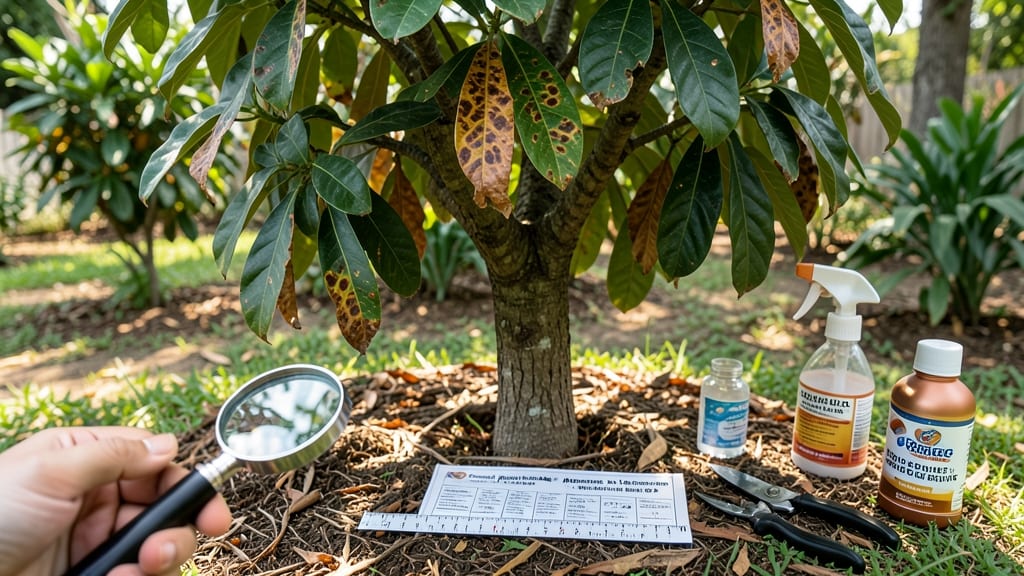
Your avocado tree’s brown spots on leaves 🥑 could be a silent warning—often missed until the damage spreads, turning vibrant green into a patchwork of decay.
Picture this: You’ve watered it just right, shielded it from harsh sun, and even fertilized like the label says. Yet there they are—those stubborn brown marks creeping across the leaves, signaling something deeper than just a cosmetic issue.
The problem? Many gardeners wait too long to act, assuming it’s just part of the plant’s natural cycle. But these spots are rarely harmless; they’re a cry for help from your tree.
From fungal infections like anthracnose to environmental stress or nutrient deficiencies, the causes behind those brown spots are as varied as they are solvable. The key is catching them early—before they weaken your tree’s roots or stunt its growth.
Below, I’ll break down the most common culprits, how to tell them apart, and the targeted fixes that actually work, whether you’re dealing with a mild case or a full-blown crisis.
You’ll also learn when to call in a pro (yes, even for houseplants) and how to keep your avocado tree thriving year-round—no more guessing games. Let’s get those leaves back to their healthy green, once and for all.
5 Common causes of brown spots on avocado tree leaves (with visual clues)
Your avocado tree leaves shouldn’t look like a botanical crime scene. Those brown spots aren’t just cosmetic—they’re your tree’s SOS signals. Whether it’s a fungal infection spreading like wildfire or environmental stress silently damaging cells, each cause leaves a unique fingerprint on your leaves.
I’ve seen anthracnose turn leaves into blackened lace, nutrient deficiencies create yellow halos around brown patches, and sunburn scorch leaves like a microwave gone rogue.
The key? Diagnosing the pattern before it’s too late. Let’s break down the 5 most common culprits and what your leaves are really trying to tell you.
🌱 Pro Tip: Grab a magnifying glass and a notebook. Note the spot shape, leaf edges, and whether the underside of leaves looks fuzzy or slimy. These details are your diagnostic clues.
| Cause | Visual Clues | Leaf Pattern | Common Mistake |
|---|---|---|---|
| Fungal Diseases (Anthracnose, Leaf Spot) | Dark spots with yellow halos, fuzzy mold on undersides, spots merge into larger patches | Irregular circular or oval spots, dry and papery texture | Assuming it’s overwatering—fungi thrive in wet leaves! |
| Bacterial Infections (Xanthomonas) | Water-soaked spots, oozing bacteria, leaf edges curl, black veins | Greasy brown or blackened areas, often near leaf veins | Ignoring pruning tools—sterilize with rubbing alcohol! |
| Environmental Stress (Sunburn, Frost) | Dry, crispy edges, white/yellow patches, no mold or oozing | Scorched areas on sun-exposed sides, frost bite on new growth | Blaming pests—check weather patterns first! |
| Nutrient Deficiencies (Magnesium, Potassium) | Yellow between veins, brown leaf edges, stunted growth | Interveinal chlorosis (yellow) with brown crispy edges | Over-fertilizing—too much salt burns roots! |
| Pest Damage (Spider Mites, Scale) | Tiny webs, stippled leaves, black sooty mold (from sap) | Speckled or holey leaves, sticky residue | Using chemical sprays without checking leaf undersides! |
Let’s start with the biggest villain: fungal diseases. Anthracnose and leaf spot are like the flu of the plant world—highly contagious and spreading fast. You’ll spot dark brown or black spots with yellow halos, often on the older leaves first.
The real giveaway? Fuzzy mold on the underside of leaves. If you ignore it, those spots will merge into large dead patches, and your tree will start dropping leaves like it’s fall in December.
Next up: bacterial infections. These are the sneaky assassins of avocado trees. Xanthomonas bacteria cause water-soaked spots that turn greasy brown or black. Unlike fungi, bacteria ooze when you touch them—like a sticky syrup.
If you see blackened veins or leaf edges curling upward, that’s your bacterial red flag. The worst part? Bacteria love warm, humid weather, so if you’re in Zone 9b or 10, you’re in high-risk territory.
Now, let’s talk environmental stress. Your avocado tree is a sun-worshipper, but too much direct sunlight can cause sunburn. Look for dry, crispy edges on leaves—like someone microwaved them.
Frost is another silent killer, especially for new growth. If your tree is in Zone 6 and you get an unexpected frost, those tender leaves will turn brown
Targeted fixes for brown spots: organic remedies and prevention strategies
Once you’ve identified the cause of those brown spots on your avocado tree’s leaves, it’s time to act. The good news? Most issues respond well to organic remedies and proactive care.
Start by addressing the root problem—whether it’s fungal growth, pest damage, or environmental stress—before implementing long-term prevention. Your avocado tree’s health depends on swift, targeted action.
For fungal infections like anthracnose or leaf spot, organic fungicides are your best first line of defense. Neem oil and copper spray are proven to disrupt fungal spores without harming beneficial insects.
Apply these sprays every 7-10 days until new growth appears, and always spray in the early morning to allow foliage to dry quickly—a key step to prevent further spread.
- Fungal Issues: Apply neem oil or copper fungicide every 7-10 days. Prune infected leaves immediately and sterilize tools with rubbing alcohol.
- Pest Damage: Use insecticidal soap or kaolin clay to deter mites and aphids. Introduce beneficial predators like ladybugs for long-term control.
- Nutrient Deficiency: Amend soil with compost or citrus-specific fertilizer (high in zinc and manganese). Test soil pH and adjust to 6.0-7.0 for optimal uptake.
- Environmental Stress: Adjust watering schedule to avoid soggy soil (water deeply 2-3x/week). Provide afternoon shade if sunburn is suspected, especially in Zone 6.
- Prevention: Mulch with organic matter to retain moisture and suppress weeds. Space trees 20-30 ft apart for airflow and monitor leaf wetness daily.
If pests like spider mites or aphids are the culprit, act fast with insecticidal soap or a homemade spray of water, dish soap, and a few drops of castile soap.
For severe infestations, consider releasing beneficial insects like ladybugs or lacewings—they’re natural pest predators and won’t harm your avocado tree. Always quarantine new plants before introducing them to your existing tree to avoid spreading pests.
For nutrient deficiencies, focus on soil health. Avocado trees often suffer from zinc or manganese deficiency, which causes brown spots and stunted growth. Conduct a soil test to identify deficiencies, then amend the soil with composted manure or a citrus-specific fertilizer.
If your soil is too alkaline (pH above 7.0), add sulfur or peat moss to lower the pH and improve nutrient absorption.
Long-term prevention starts with proper watering practices. Avocado trees hate soggy roots, which invite fungal diseases. Water deeply 2-3 times per week in hot months, ensuring the top 6 inches of soil dry out between waterings.
In Zone 6, reduce watering in winter to mimic dormancy. Always water at the base of the tree and avoid wetting the leaves to minimize fungal risks.
Finally, don’t underestimate the power of pruning and airflow. Remove any diseased or dead leaves immediately, and thin out dense foliage to improve air circulation. This reduces humidity around the leaves, making it harder for fungi to thrive.
Apply a 2-3 inch layer of mulch around the base of the tree to retain moisture and regulate soil temperature—just keep it 6 inches away from the trunk to prevent rot.