
Pruning
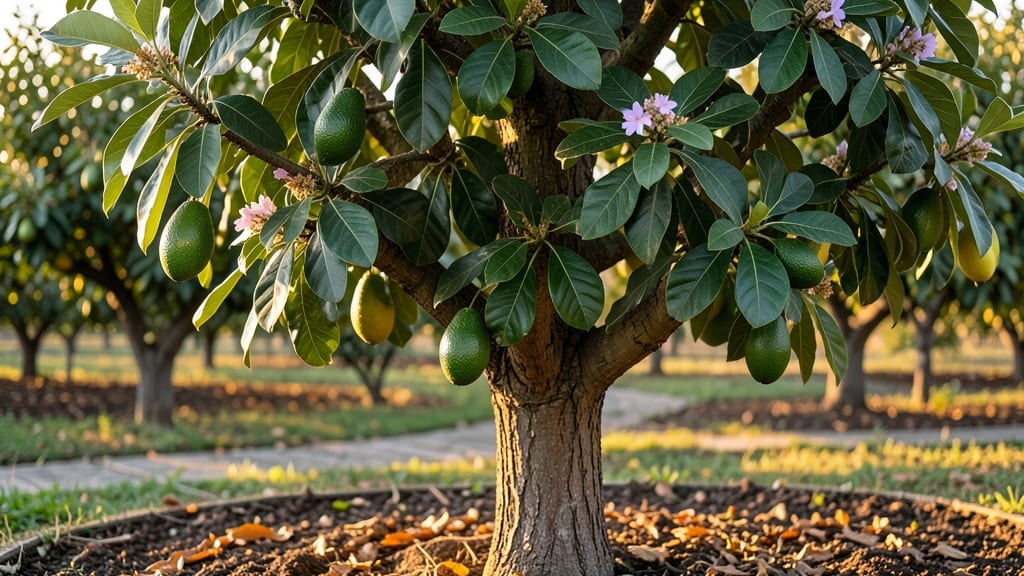
An avocado tree produces fruit after 3 to 6 years for grafted varieties, but seed-grown trees can take 10+ years—and that’s when everything aligns.
If you’ve ever planted an avocado tree hoping for quick rewards, you might be surprised to learn that patience is key—some varieties take years before bearing fruit. But knowing the exact timeline by climate and type can help you set realistic expectations and optimize growing conditions for a bountiful harvest.
Climate plays a huge role: in warm USDA zones like 9-11, Hass avocados may fruit earlier, while colder regions could delay production. Even then, factors like soil health, watering, and pollination can speed up or slow down the process.
In this guide, I’ll break down the exact timeline by variety, share proven tips to encourage earlier fruiting, and debunk myths about dwarf vs. full-size trees—so you can grow a tree that delivers delicious 🥑 in record time.
Avocado tree fruit production timeline by variety: from seed to harvest
Growing an avocado tree from seed is exciting, but the wait for fruit can feel endless. Most seed-grown trees take 5-14 years to produce fruit, while grafted varieties mature faster—often in 3-6 years.
The difference comes down to genetics, care, and your local climate. Understanding these timelines helps you set realistic expectations and optimize growing conditions for a successful harvest.
Factors like tree type, climate zone, and care practices dramatically impact when your avocado tree will bear fruit. For example, the popular Hass variety typically fruits in 3-5 years when grafted, but seed-grown trees may take a decade or more.
Meanwhile, Fuerte avocados often produce fruit slightly earlier, around 4-6 years for grafted trees.
Here’s a quick comparison of common varieties and their fruiting timelines to help you plan:
If you’re growing an avocado tree from seed, be prepared for a longer wait. Seed-grown trees often produce inconsistent fruit and may take decades to reach full productivity. To speed up the process, consider purchasing a grafted tree from a nursery.
These trees are genetically optimized for faster fruiting and higher yields. Grafted trees also offer more predictable fruit quality and size.
Your local climate plays a huge role in fruiting times. Avocados thrive in USDA zones 9-11, where warm winters and mild summers create ideal conditions. In cooler zones, varieties like Reed or Lamb Hass can tolerate slightly lower temperatures, but they’ll still take longer to mature.
If you’re in a colder region, container-growing or indoor cultivation may extend the fruiting timeline further.
Proper pollination is another critical factor for fruit production. Avocado flowers are unique—they open in stages, with some flowers receptive to pollinators one day and others the next.
To encourage pollination, plant multiple varieties nearby or hand-pollinate using a small brush. This step can significantly boost fruit set, especially in areas with limited bee activity.
Once your tree reaches fruiting age, consistent care becomes even more important. Prune to improve air circulation and sunlight penetration, and fertilize regularly with a balanced 10-10-10 NPK formula.
Over-fertilizing can lead to excessive leaf growth at the expense of fruit production, so follow a seasonal feeding schedule—light in summer, heavier in spring and fall.
Patience is key when growing avocados. Even with optimal care, some trees may take up to 10 years to produce a meaningful harvest. Keep track of your tree’s progress by marking growth milestones, like when it flowers for the first time or when fruit begins to form.
Celebrate small victories, like the first blossoms, to stay motivated during the long wait.
With the right variety, climate, and care, your avocado tree will eventually reward you with a bountiful harvest. Whether you’re growing a Hass for its rich flavor or a Fuerte for its versatility, understanding the timeline helps you plan for success.
Soon, you’ll be enjoying homegrown avocados straight from your tree! 🥑
Climate zones that speed up or delay avocado fruit production
Your avocado tree’s fruit production timeline depends heavily on where you live. USDA zones 9-11 are ideal for Hass avocados, but colder regions can still grow cold-hardy varieties like Reed or Lamb Hass.
Temperature, frost risk, and humidity all play critical roles in determining when—and if—your tree will bear fruit.
In warmer climates (zones 10-11), Hass avocados often produce fruit within 3-5 years of planting, while colder zones (7-9) may see delayed fruiting or require extra care to protect young trees from frost. Humidity levels also matter—too much moisture can cause fungal issues, while dry climates may slow growth and fruiting.
In USDA zone 10, where temperatures stay above 30°F year-round, Hass avocados thrive and typically fruit within 3-4 years.
Southern California and Florida are prime regions for this variety. Zone 11, with its tropical climate, can even see fruiting in as little as 2-3 years with optimal care.
For colder zones (7-9), varieties like Reed or Lamb Hass are better choices.
These cold-hardy types tolerate brief dips to 20°F and may fruit within 5-7 years, though yields are often smaller. Frost protection, like windbreaks or frost cloth, is essential in these areas to prevent damage to young trees.
Humidity also affects fruiting. High humidity (zones 8-9) can lead to fungal diseases like root rot, while low humidity (zones 10-11) may require extra irrigation to keep the tree healthy. Well-draining soil and proper spacing are key to balancing moisture levels for optimal fruit production.
If you’re in a transition zone (9-10), like parts of Arizona or Texas, your tree may take 4-6 years to fruit. Focus on consistent watering and seasonal pruning to encourage stronger growth. Mulching can also help regulate soil temperature and retain moisture during dry spells.
Remember, patience is key—even in ideal climates, avocado trees need time to establish roots and mature. With the right climate conditions and care, your tree will reward you with delicious fruit in no time! 🥑