
Pruning
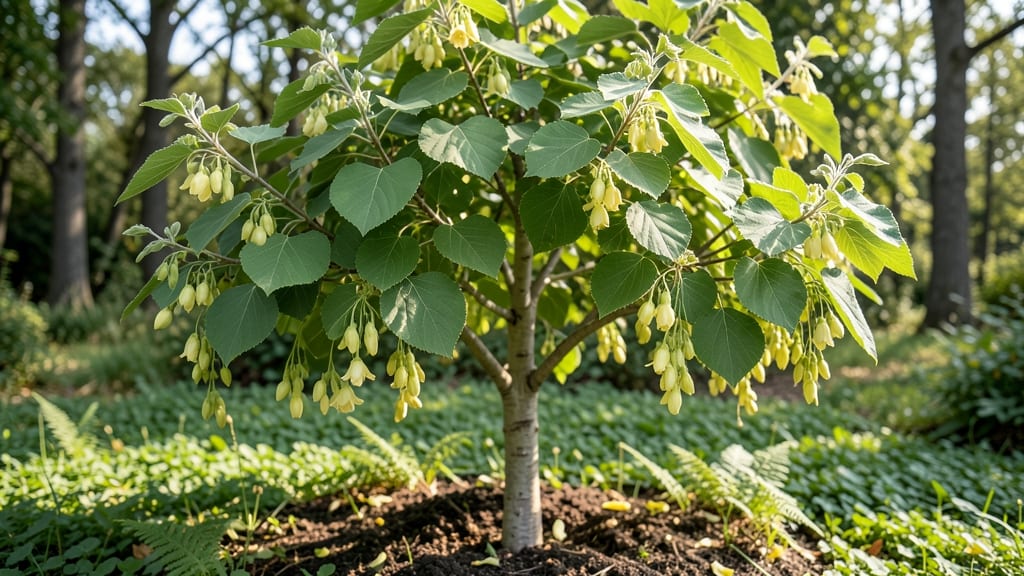
Spring is when your lime tree wakes up from winter dormancy—and your pruning cuts determine how explosive its growth and blooms will be this year. 🌿 I’ve learned the hard way that timing matters: prune too early and you risk frost damage, too late and you stunt the flowering that makes those fragrant white blossoms appear.
The goal? Clean, strategic cuts that encourage strong branches and heavy fruit set.
You’ll need sharp pruning shears, rubbing alcohol for sterilizing cuts, and a clear day when temperatures are above 50°F—no cold snaps in the forecast. Lime trees bloom on new wood, so focus on removing dead, crossing, or weak branches first.
Then shape the canopy to let sunlight reach the center, where most of those sweet-smelling blossoms will form. Think of it as giving your tree a spa day before the growing season kicks into high gear.
By pruning now, you’ll see thicker foliage and more abundant blooms by late spring, followed by a bumper crop of limes. The key is patience: avoid heavy pruning if your tree is young or stressed, and always cut just outside the branch collar.
The result? A tree that looks like it belongs in a tropical paradise, not your backyard.
Regional tweaks matter: In colder zones, delay pruning until after the last frost, while warmer climates can start earlier. Watch for aphids or scale on new growth—spring is their favorite time to move in.
With the right cuts and a little vigilance, your lime tree will reward you with fragrant blooms, glossy leaves, and a harvest that puts store-bought limes to shame.
📚 In This Guide
- What you need
- Instructions
- Tips and common mistakes
- Wrapping up and next steps
What you need
- ● Pruning shears: Bypass pruners (sharp, clean, and capable of cutting up to ¼-inch thick branches). Quantity: 1 pair.
- ● Lopping shears: For thicker branches (½-inch to 1½-inch diameter). Quantity: 1 pair.
- ● Pruning saw: For branches thicker than 1½ inches. Quantity: 1 (hand or folding saw).
- ● Disposable gloves: Heavy-duty, cut-resistant gloves to protect your hands. Quantity: 1 pair.
- ● Rubbing alcohol (70% or higher): For sterilizing tools between cuts. Quantity: Small bottle.
- ○ Pruning sealant (optional but recommended): To prevent disease entry in larger cuts. Quantity: Small tube.
- ● Ladder or step stool: For reaching higher branches safely. Note: Ensure it’s stable and rated for your weight.
- ● Trash bags or bucket: For collecting pruned branches. Quantity: 1-2 large bags or a sturdy bucket.
- ● Hand saw: For precise cuts on stubborn branches.
- ● Extension pole pruners: For hard-to-reach spots without a ladder.
- ● Sharpener: A file or sharpening stone to maintain tool edges.
- ● Plant food or compost: To nourish the tree post-pruning (apply after healing).
- ● Safety glasses: To protect eyes from debris.
Step-by-step guide to pruning your lime tree in spring
Here's how I transform my lime tree every spring—stronger branches, better blooms, and fewer surprises.
✂️ Step 1: Gather Your Tools and Inspect the Tree
Start with clean, sharp pruning shears and a small saw for thicker branches. I always disinfect my tools with rubbing alcohol first—this prevents spreading disease between cuts. Look for dead, crossing, or weak branches. Dead wood is easy to spot: it's brittle, dark, or doesn't have leaves.
Next, examine the tree's shape. You'll notice some branches growing inward or rubbing against others. These need removal first—they compete for energy and can create wounds that invite pests. Mark these branches with a piece of tape so you don't miss them later.
✂️ Step 2: Remove Dead and Problem Branches
Make your first cuts on the marked branches. Always cut just outside the branch collar—the swollen area where the branch meets the trunk. This ensures the tree can heal properly. For small branches, use your shears at a 45-degree angle about ¼ inch from the collar.
For thicker branches, use your saw. Cut slowly to avoid tearing the bark. After each cut, step back and check the tree's balance. You want an open center that lets sunlight reach all parts of the tree. If a branch is too thick to cut cleanly, make a second cut slightly deeper to avoid tearing.
✂️ Step 3: Shape the Tree for Airflow and Light
Now focus on thinning out the canopy. Remove about 20-30% of the branches to improve airflow and light penetration. Start at the bottom and work your way up. You'll see where branches are too crowded—these are the ones to remove. Always cut back to a side branch or bud, never leaving a stub.
Pay attention to the tree's natural shape. Lime trees grow best with an open, vase-like form. If a branch is growing straight up, cut it back to a lower side branch. This encourages a fuller, more productive tree. Avoid cutting more than one-third of the tree's foliage at once—this can stress the tree.
✂️ Step 4: Clean Up and Monitor for Recovery
After pruning, rake up all the debris from the ground. This keeps the area clean and reduces the risk of disease. Give the tree a good watering to help it recover from the cuts. You'll notice new growth starting within 2-3 weeks—this is a sign the tree is healing well.
Keep an eye on the pruned areas over the next few weeks. If you see any signs of disease, like oozing sap or unusual spots, treat it immediately with a fungicide. Avoid pruning again until next spring—this gives the tree time to recover and grow stronger for the next season.
Tips & tricks for pruning your lime tree in spring
Here's what I've learned after years of pruning my own lime trees—these tricks make all the difference between a stressed tree and one that thrives.
Tool Prep is Everything: Before you even touch your tree, take 5 minutes to sharpen your pruning shears and disinfect them with rubbing alcohol. Dull tools crush branches instead of cutting cleanly, creating larger wounds that heal poorly. I test my shears by cutting a piece of paper—if it tears instead of slices cleanly, they need sharpening. For thicker branches, a small saw is essential, but make sure it's clean to avoid spreading disease between cuts.
Mark Your Cuts First: I can't stress this enough—mark branches you plan to remove with tape before making any cuts. This prevents you from accidentally removing healthy growth while you're focused on problem branches. I use bright green tape so it stands out against the tree's foliage. Step back frequently to visualize how each cut will affect the tree's overall shape before you make it.
Timing is Key for Recovery: After pruning, give your tree a thorough watering to help it recover from the stress of cutting. The instructions mention new growth appearing within 2-3 weeks, but I've found that trees watered immediately after pruning show signs of recovery even sooner. Also, avoid pruning again until next spring—this one-year recovery period is crucial for building the tree's strength.
Shape Matters More Than You Think: When shaping your tree in Step 3, think about creating an open center that lets sunlight reach all parts of the tree. I like to visualize an upside-down cone shape—this allows air to circulate freely and prevents fungal issues. If you're unsure about a cut, take a photo of the tree first, then step back and look at it from different angles before deciding.
Pro Tips for Lime Tree In Spring
- Here's what I've learned after years of pruning my own lime trees—these tricks make all the difference between a stressed tree and one that thrives.
- Tool Prep is Everything: Before you even touch your tree, take 5 minutes to sharpen your pruning shears and disinfect them with rubbing alcohol.
- Mark Your Cuts First: I can't stress this enough—mark branches you plan to remove with tape before making any cuts.
Frequently asked questions
Got questions about pruning your lime tree in spring?
You’re not alone! Here are some of the most common queries—and their straightforward answers—to help you get it right.
When is the exact best time to prune a lime tree in spring?
The ideal window is late winter to early spring (just as buds swell but before new growth starts), typically February to March in most U.S. zones. Avoid pruning after the first flush of flowers appears—this can reduce fruit yield. If you missed the window, prune in early summer (but expect fewer blooms that year).
How much can I trim off my lime tree without harming it?
Aim to remove no more than 25% of the tree’s total foliage in one session. For young trees, light pruning (10-15%) encourages branching. Over-pruning stresses the tree, weakens growth, and can invite pests. Pro tip: Focus on shaping, dead wood, and crossing branches first—save aggressive cuts for older trees.
Will pruning my lime tree in spring affect next year’s fruit?
Pruning correctly boosts fruit production by improving airflow and sunlight. However, heavy pruning too late in spring (after flowers appear) can reduce yield. If you prune in winter, expect a delayed but stronger harvest the following year. Always prioritize selective cuts over drastic reshaping.
What should I do if my lime tree gets pests after pruning?
Pruning creates fresh wounds that attract pests like aphids, scale, or citrus leaf miners. Prevent it: Sterilize tools with rubbing alcohol, seal cuts with pruning sealant, and remove fallen debris. If pests appear, treat with neem oil or insecticidal soap. Watch for: Sticky residue (aphids) or chewed leaves (caterpillars).
Can I prune a dwarf lime tree the same way as a standard one?
Yes, but with gentler adjustments! Dwarf varieties (like ‘Meyer’ or ‘Eureka’) need less aggressive pruning—focus on shaping, removing dead wood, and thinning crowded branches. Avoid heavy cuts near the trunk, as dwarf trees have limited recovery. Use hand pruners for precision and prune just after flowering to maximize fruit.
Wrapping up and next steps
Spring is the perfect time to revitalize your lime tree with confident pruning—think of it as giving your tree a fresh start! 🌿 By sharpening your cuts, removing dead growth, and opening up the canopy, you’re not just tidying up; you’re inviting healthier blooms, better fruit production, and a stronger structure for years to come.
The key? Patience and precision—trust the process, and your lime tree will thank you with lush, vibrant growth.
Ready to see the results? Grab your tools and schedule a pruning session this spring—your tree (and future harvest!) will be bursting with gratitude. 🌱