
Pruning
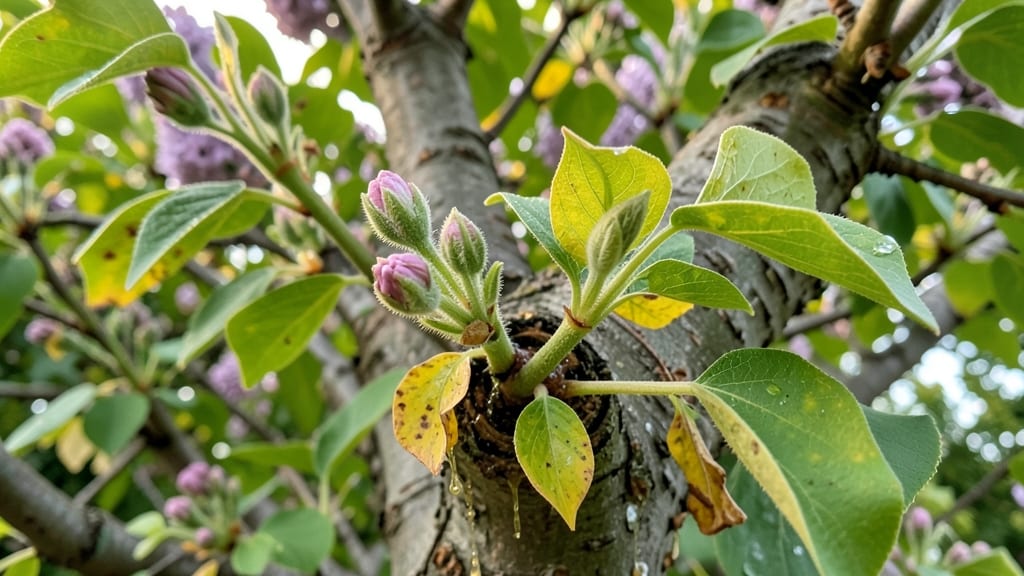
Revitalize your lilac tree this spring with expert pruning techniques that encourage lush foliage and abundant blooms. Discover how to identify and nurture new sprouts for a healthier, more vibrant shrub next season.
Identifying Healthy Lilac Tree Sprouts
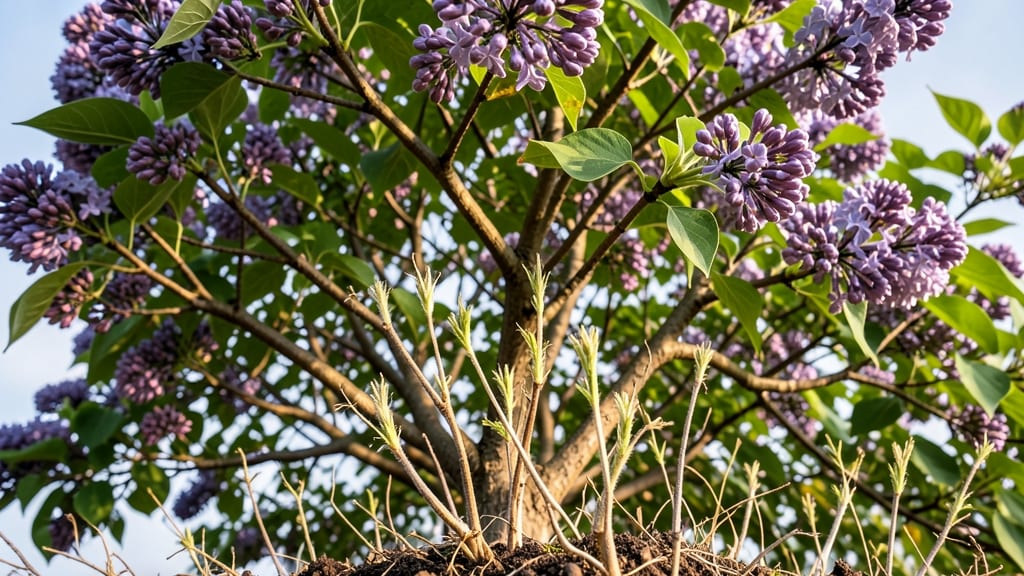
Not all new growth on your lilac tree deserves equal attention—some sprouts will become next year’s showstopping blooms, while others are energy drains. Learning to spot the difference ensures your pruning efforts directly boost flower production rather than accidentally stunting your shrub.
Healthy lilac sprouts have bright green leaves (not yellow or brown) and grow at a 45-degree angle from the branch. They should feel firm when gently squeezed, with small buds forming at the tips—these indicate future blooms. Weak sprouts appear leggy, have sparse foliage, or grow straight up (a sign of poor health). Prune only the weak ones, leaving strong sprouts unharmed to maximize future blooms.
This skill is especially valuable for new gardeners or those reviving older lilacs—correct identification prevents over-pruning and ensures your tree’s energy goes where it counts. 🌱
Pruning Dead Wood in Early Spring
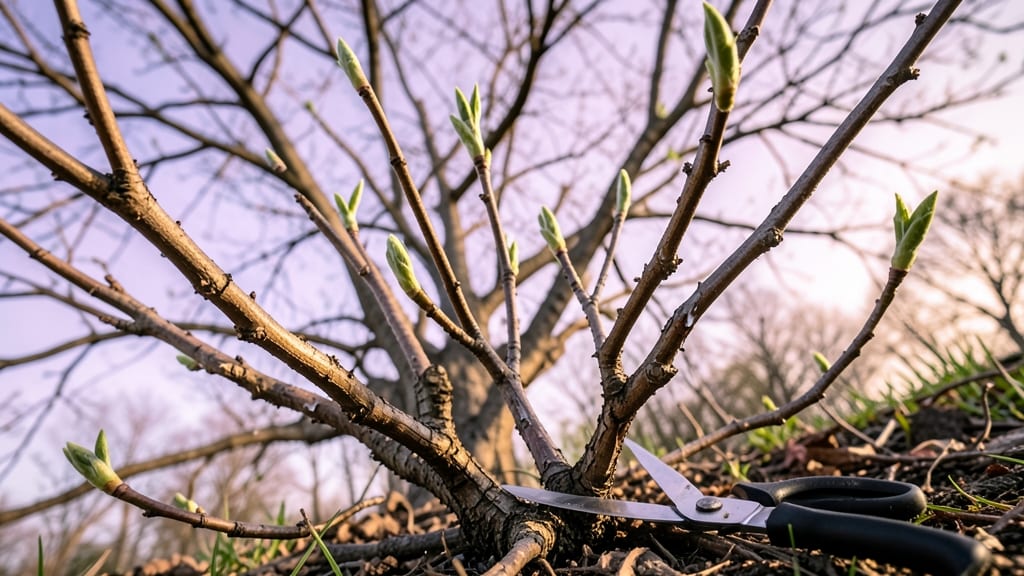
Early spring is the perfect time to tackle dead wood on your lilac tree—before new sprouts emerge. Removing last year’s brown, brittle branches first clears the way for energy to flow into fresh growth, setting the stage for a stronger, more blooming shrub.
Start by cutting out any branches that are completely dry, cracked, or hollow—these are prime spots for disease and pests. Use sharp pruners to make clean cuts just outside the branch collar (the swollen area where the branch meets the trunk). This simple step redirects nutrients to the new sprouts you want to encourage, giving them the best chance to thrive.
This method is especially valuable for lilac trees with last year’s blooms still lingering—removing dead wood early ensures your tree isn’t wasting energy on decaying branches. Perfect for gardeners who want to boost next season’s flowers with minimal effort. ✨
Thinning Crowded Sprouts for Airflow
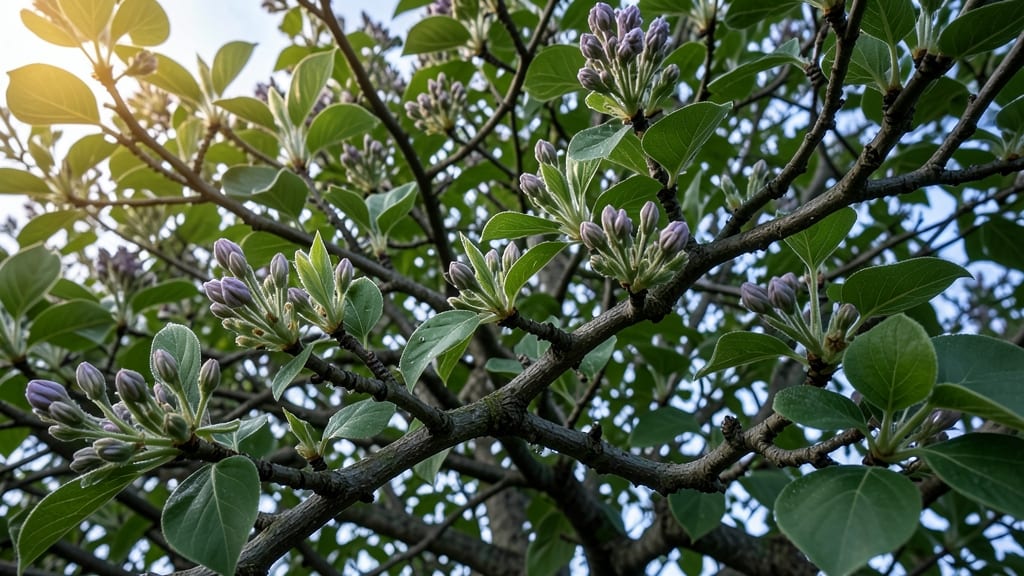
Your lilac tree’s crowded sprouts may look lush, but they’re secretly stealing nutrients from each other. When branches grow too close, they block sunlight and trap moisture—creating the perfect conditions for pests and fungal diseases while stunting bloom size.
To fix this, aim for an open canopy by removing one-third of the thickest, crossing, or inward-growing sprouts. Focus on branches that rub against each other or cast shade on the center of the tree. Use clean, sharp pruners to make cuts just above outward-facing buds, ensuring sunlight reaches the inner growth. This simple step boosts airflow, which translates to larger, healthier blooms next season.
This technique is especially valuable for young lilac trees or those recovering from heavy pruning—giving them room to grow into their full, fragrant potential. 🌿
Encouraging New Growth at Branch Tips
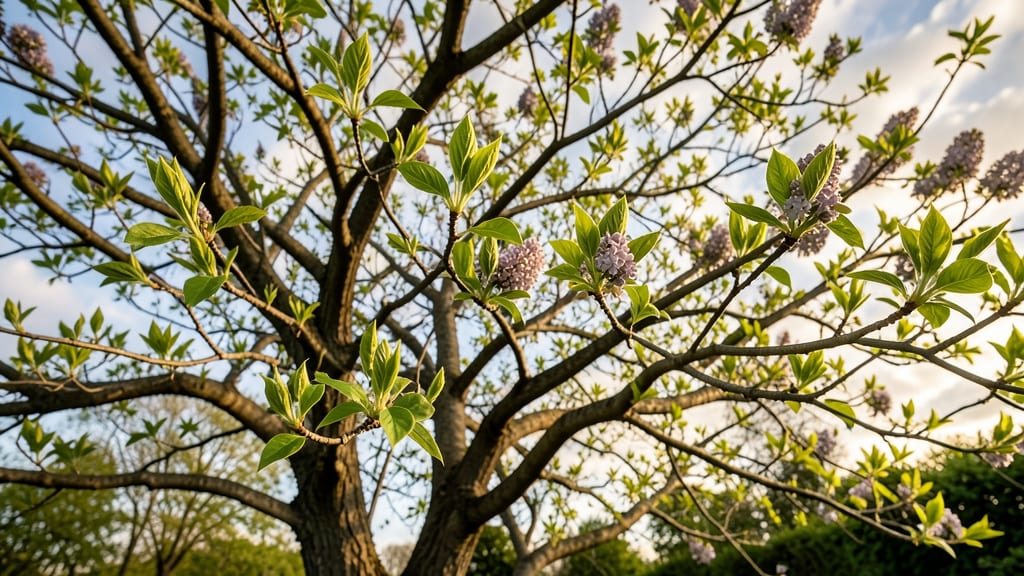
Want a lilac tree bursting with more flowers next spring? The secret lies in those fresh green tips—the youngest growth on your branches. Unlike older wood, these tips hold the potential for vibrant blooms, but they need a little encouragement to flourish.
Start by pinpointing the tips of branches that show new growth, typically appearing in early spring. Use sharp pruners to make a clean cut just above a leaf bud, leaving about ¼ inch of stem. This redirects the tree’s energy toward producing new, flower-rich branches. For best results, focus on branches that are 1-2 years old, as they balance maturity with growth potential.
This technique is especially valuable for gardeners who want to rejuvenate older lilacs or maximize blooms on younger trees. By nurturing these tips, you’ll set the stage for a showstopping display of fragrant lilac flowers next season. 🌷
Pruning After Blooming for Next Season
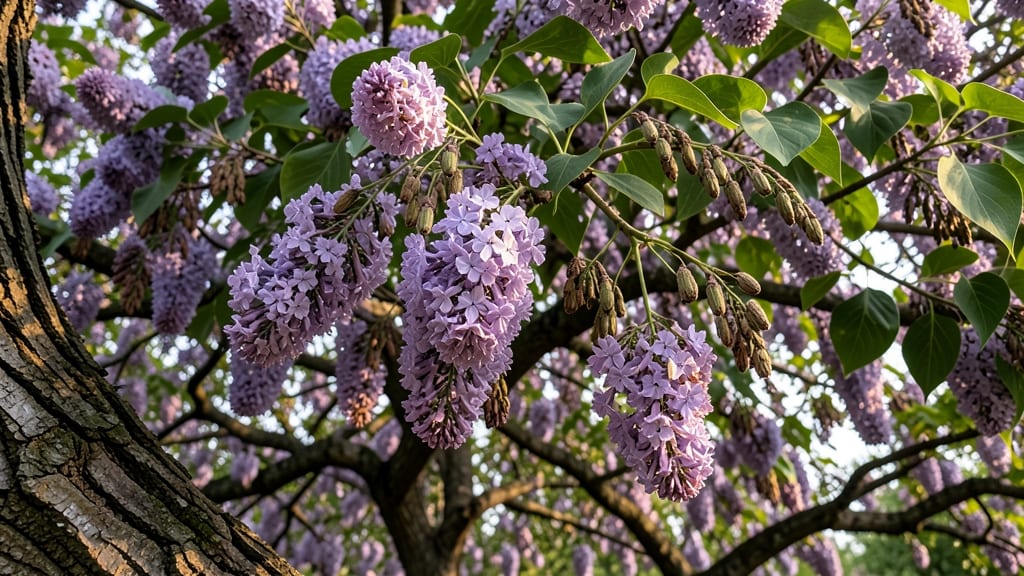
Your lilac tree may look stunning in full bloom, but pruning too early can rob it of next season's potential. The key is patience—wait until after blooming when flowers fade and seed pods form, signaling the plant has finished its reproductive cycle.
By pruning spent blooms at this stage, you redirect the tree’s energy toward developing new sprouts instead of seed production. Focus on cutting back branches just above a set of healthy buds or leaves, using clean, angled cuts. This timing also prevents accidental removal of next year’s flower buds, which form on old wood.
This method is ideal for gardeners who want long-term blooming success—especially those with mature lilacs that need rejuvenation. Your patience now will reward you with a bushier, more vibrant tree next spring. ✨
Revitalizing Old Lilac Trees with Rejuvenation Pruning

If your lilac tree has become overgrown or sparse, rejuvenation pruning can transform it back into a lush, flowering powerhouse. This aggressive technique involves cutting back old wood to encourage brand-new growth from the base, often producing stronger stems and more abundant blooms within a single season.
Timing is key—perform this prune in late winter or early spring before new buds swell. Use sharp pruners to cut branches back to healthy, outward-facing buds or even to the ground if necessary. For mature lilacs, you can remove up to one-third of the oldest wood at a time, focusing on dense or unproductive branches. This shock to the system forces the tree to redirect energy into fresh, vigorous sprouts.
This method is ideal for established lilacs that have lost their vigor or become too large. While it requires more effort than standard pruning, the results—a youthful, blooming shrub—make it worth the work. 🌟
Using Sharp Tools for Clean Cuts
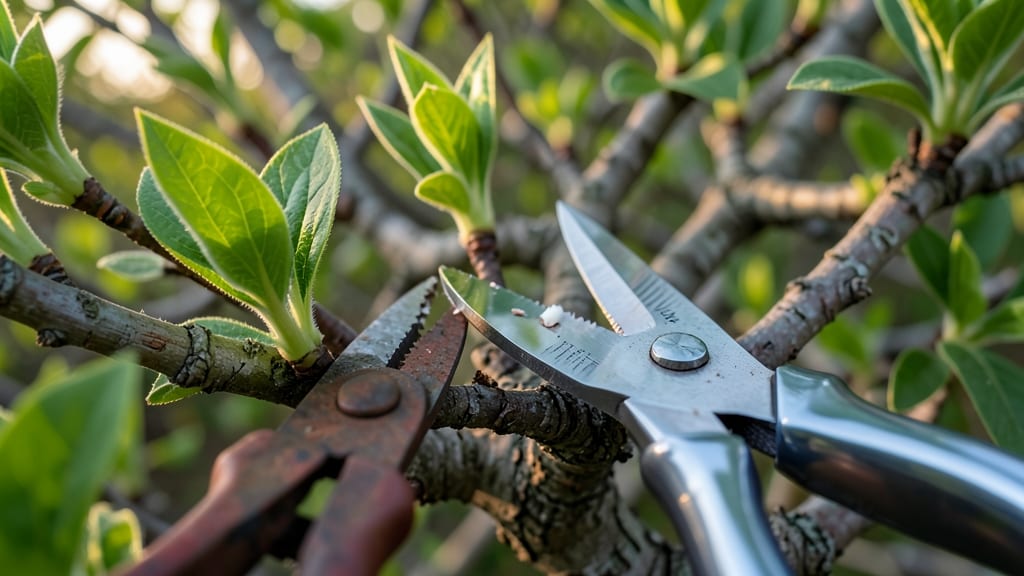
Your lilac tree’s new sprouts deserve the same care as the rest of the plant—starting with the right tools. Dull pruners don’t just make messy cuts; they crush stems, leaving jagged edges that slow healing and invite disease. Sharp tools are the secret weapon for encouraging faster recovery and stronger growth in your lilac’s freshest branches.
Always use bypass pruners for clean cuts on lilac stems, especially when shaping new sprouts. Anvil pruners crush stems, which can damage the plant’s vascular system and delay healing. After each cut, wipe your blades with rubbing alcohol to prevent bacterial spread between branches. For thicker branches, opt for sharp loppers—just ensure they’re honed to a razor edge.
This matters most for gardeners who prioritize plant health over convenience. A few minutes sharpening your tools now means your lilac’s new sprouts will thrive with minimal stress. 🌱
Fertilizing New Sprouts for Stronger Growth
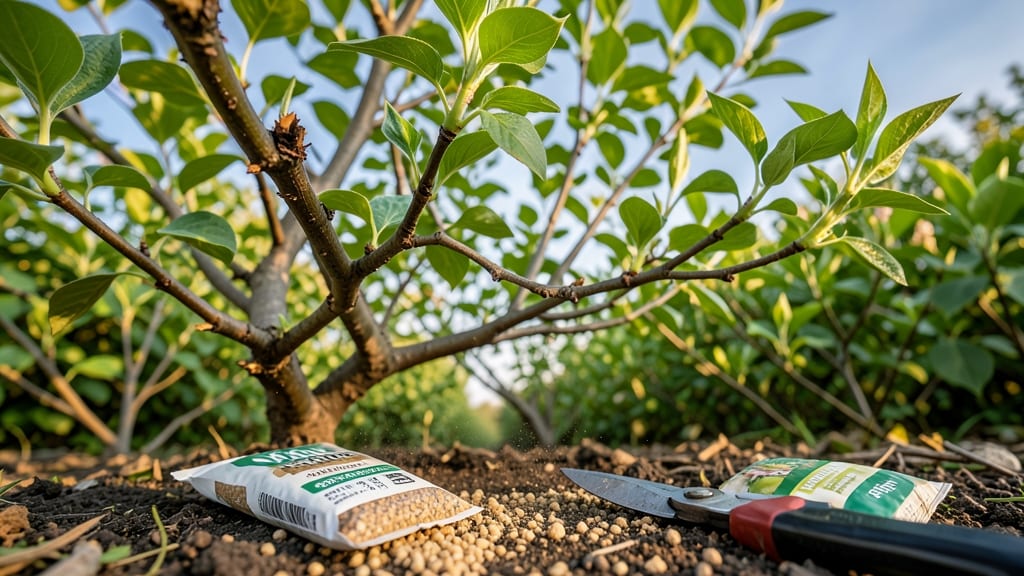
After pruning your lilac tree, those fresh new sprouts need a nutrient boost to thrive. A balanced, slow-release fertilizer applied now will give them the phosphorus and potassium they need to develop into strong branches that support next year’s abundant blooms.
Choose a fertilizer with an NPK ratio of 10-10-10 or 20-20-20 for general growth, and spread it evenly around the root zone. Water it in thoroughly to help nutrients reach the roots. This timing—right after pruning—ensures your lilac has the energy to recover and grow vigorously before summer.
This step is especially valuable for young lilacs or those recovering from heavy pruning, as it jumpstarts their growth cycle. Your patience now will pay off with a showstopping display of flowers next spring! 🌻
Protecting Sprouts from Late Frosts

Those fresh lilac tree sprouts you’ve worked so hard to encourage can be devastated by a single late frost. Unlike mature branches, tender new growth is especially vulnerable to frost damage, often turning brown or black within hours of freezing temperatures.
Use frost cloth (a lightweight, breathable fabric) to drape over sprouts during late spring nights when temperatures dip below 32°F (0°C). Alternatively, apply a 2-3 inch layer of mulch around the base to insulate roots and protect emerging shoots. Check your local frost forecast—most regions experience their last frost between mid-April and mid-May, so plan protection accordingly.
This simple step ensures your lilac’s energy goes toward strong, blooming branches next season instead of recovering from frost damage. Perfect for gardeners in unpredictable climates! 🌱
Monitoring Sprout Health Throughout Growing Season

Your lilac tree’s sprouts are the foundation of next year’s blooms—but they’re also the most vulnerable to hidden pests and diseases. A quick weekly inspection in early summer can catch issues before they spread, saving your tree from irreversible damage.
Look for yellowing leaves, sticky residue (a sign of aphids), or tiny holes in foliage—early signs of stress. Use a hand lens to spot powdery mildew or spider mites on undersides of leaves. Treat affected areas immediately with neem oil or insecticidal soap to protect young branches from stunted growth.
This proactive approach is especially valuable for urban gardeners with limited space, where lilac trees often face higher pest pressure. Healthy sprouts mean stronger blooms and fewer headaches down the line. 💚