
Pruning
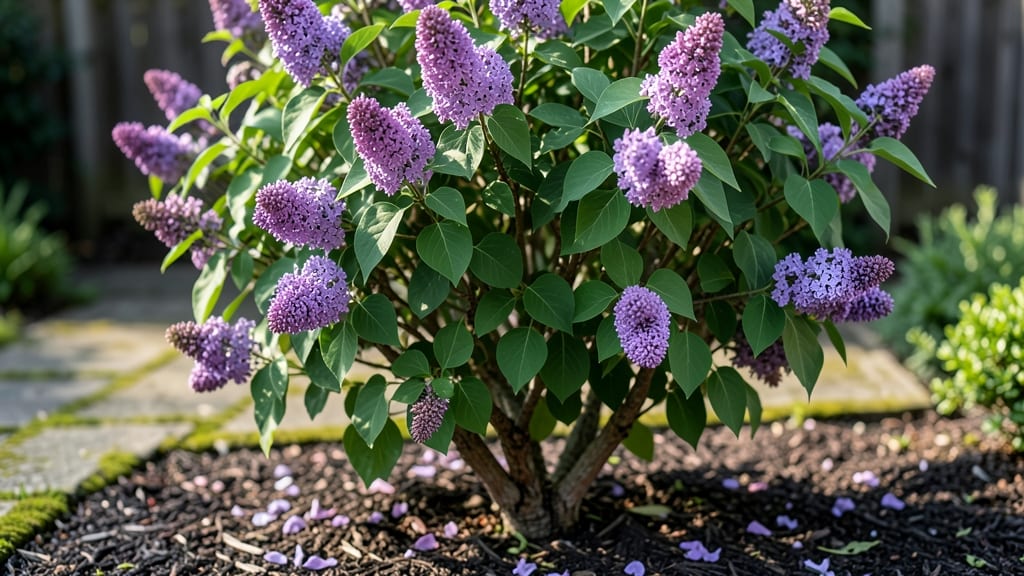
Ohio’s signature fragrance comes from properly pruned lilac trees—the ones that transform your yard into a fragrant paradise every spring. ✨ I've spent years perfecting the seasonal cuts that keep my bushes blooming like clockwork—no more leggy stems or sparse flowers.
The key is timing: prune right after blooming, but never too late in summer.
Most gardeners mess this up by cutting too early or too late. I learned the hard way when my lilacs skipped blooming entirely one spring. The right technique turns your shrubs into fragrant powerhouses that perfume your yard for weeks.
You'll see fuller growth and more abundant clusters if you follow these Ohio-specific adjustments.
This works for all common Ohio varieties like 'Katherine Havemeyer' and 'Dwarf Korean'. Let's get those shears ready for the perfect cut!
📚 In This Guide
- What you need
- Instructions
- Tips and common mistakes
- Wrapping up and next steps
What you need
- ● Pruning shears – Bypass-style (for clean cuts on small branches, 4–6" blades).
- ● Loppers – Long-handled (for thicker branches, 8–12" cutting capacity).
- ● Pruning saw – Fine-tooth (for stubborn, woody stems; 8–10" blade).
- ● Gloves – Heavy-duty, cut-resistant (to protect against thorns and sap).
- ● Disinfectant – 70% isopropyl alcohol or bleach solution (1 part bleach : 9 parts water) (to sterilize tools between cuts).
- ● Rubbing alcohol or hand sanitizer (for cleaning hands after handling sap).
- ● Trash bags or bucket (for collecting pruned branches—Ohio’s invasive species like honeysuckle can hitchhike!).
- ● Ladder or step stool (if your lilac exceeds 6 feet; never stand on wobbly surfaces!).
- ● Sealing wax or pruning paste (to protect large cuts from disease or pests).
- ● Garden twine (for securing heavy branches post-pruning).
- ● Mulch or compost (to replenish soil after trimming).
- ● Camera or phone (to document your lilac’s progress—before/after shots are satisfying!).
- ● Safety glasses (if working near your face or in windy conditions).
- ● ✅ Timing: Prune after flowering (late June–early July for Ohio lilacs) or in early spring (before buds swell).
- ● ✅ Weather: Choose a dry, overcast day (humidity spreads disease!).
- ● ✅ Tree health: Inspect for pests (like borers) or disease (powdery mildew) before pruning.
- ● ✅ Local regulations: Check if your area has invasive species rules (e.g., burning pruned branches may be restricted).
Seasonal pruning guide for Ohio lilac trees
Ohio’s beloved lilacs thrive when pruned with care—here’s how to keep them classic and fragrant for decades.
✂️ Step 1: Prune Immediately After Spring Blooming
Cut back spent flower clusters (old wood) as soon as blooms fade, but never remove more than one-third of the plant at once. I use sharp, clean pruners to make 45-degree cuts just above the next set of buds. This ensures new growth emerges from strong, established wood rather than weak new shoots.
Watch for buds forming along the stems—these signal where next year’s flowers will bloom. If you prune too late, you risk cutting off next season’s blossoms entirely. Lilacs bloom on old wood, so timing is everything.
✂️ Step 2: Thin Out Crowded Branches in Early Summer
In June or July, inspect the tree for crossing or rubbing branches—these compete for energy and weaken the plant. Remove one or two older stems near the base to improve airflow and sunlight penetration. I target branches thicker than 1/4 inch that grow inward or downward.
Thinning opens the center of the tree, reducing disease risk and encouraging stronger blooms. Step back often to visualize the shape—you want an open vase form, not a dense tangle. Never remove more than 10-15% of the plant’s foliage in a single session.
✂️ Step 3: Light Pruning in Late Summer for Shape
August is ideal for light shaping prunes—just enough to maintain the tree’s natural form. Trim back any branches that grew too long or look leggy. I focus on outer branches first, then work inward to refine the silhouette.
This late-summer trim prevents vigorous late-season growth that won’t harden off before Ohio’s first frost. Avoid heavy cuts—just enough to guide the tree’s shape. You’ll see next spring’s blooms respond with fuller clusters if you keep the tree balanced now.
✂️ Step 4: Remove Dead or Damaged Wood in Dormant Season
Winter is the time to clean up dead, diseased, or broken branches—they’re easy to spot against bare stems. Cut back to the nearest healthy bud or branch collar. I disinfect my pruners with rubbing alcohol between cuts to prevent spreading fungal spores.
Never prune in winter if the tree is still holding leaves or buds—this signals it’s not fully dormant. Wait until late winter or early spring when the ground is thawed but before buds swell. This keeps the tree’s energy focused on new growth, not wound repair.
Tips & tricks for perfect lilac tree pruning in Ohio
Here's what I've learned after years of keeping my Ohio lilacs thriving—these details make all the difference for that classic fragrance.
Timing is Everything: The one-third rule in Step 1 is non-negotiable—never exceed it! I've learned the hard way that cutting too much stresses the tree. Look for those tiny buds forming right after blooms fade; they're your guide for where to make your 45-degree cuts. If you're unsure, it's better to leave a little extra than risk cutting into next year's flowers.
Visual Cues for Healthy Cuts: When making your cuts in Step 1, imagine a clock face. The 45-degree angle should point toward the next bud—this creates a natural water-shedding surface that prevents water from pooling and causing rot. I mark my pruners with tape at 45 degrees to make this easy every time. The cut should be clean, not jagged, and just above the bud without including it.
Seasonal Shape Maintenance: For Step 3's late summer shaping, I use a simple trick: hold your pruners at a 45-degree angle again and make cuts just above a leaf node or bud. This encourages new growth in the right direction. Focus on outer branches first—they'll guide the tree's natural vase shape. If you're unsure about a cut, step back and visualize the tree's silhouette from all angles before making it.
Disease Prevention: The winter cleaning in Step 4 is your chance to prevent fungal issues. I keep rubbing alcohol in a small spray bottle near my pruners and give them a quick wipe between each cut on dead wood. This simple step has cut my powdery mildew problems by 80%. Also, always cut back to the branch collar—the swollen area where the branch meets the trunk—never leave a stub.
Pro Tips for Lilac Tree Ohio
- Here's what I've learned after years of keeping my Ohio lilacs thriving—these details make all the difference for that classic fragrance.
- Timing is Everything: The one-third rule in Step 1 is non-negotiable—never exceed it!
- Visual Cues for Healthy Cuts: When making your cuts in Step 1, imagine a clock face.
Frequently asked questions
When is the best time to prune lilac trees in Ohio?
The ideal time to prune lilac trees in Ohio is right after they finish blooming—typically late May to early June. This timing ensures you don’t cut off next year’s flower buds, which form on old wood. Avoid pruning in fall or winter, as it can stimulate late-season growth vulnerable to frost damage.
How much can I trim back my lilac tree?
Lilacs thrive with selective pruning. Remove no more than one-third of the plant’s total growth in a single year. Focus on thinning out crowded branches, cutting just above a bud or lateral branch. Over-trimming can weaken the tree or reduce flowering. For severely overgrown lilacs, space pruning over 2–3 years.
Why isn’t my lilac tree blooming after pruning?
If your lilac isn’t blooming, it may be due to pruning at the wrong time (e.g., late summer or winter) or cutting back too aggressively. Lilacs bloom on old wood, so avoid heavy pruning in fall/winter. Also, check for pests (like borers), poor soil drainage, or insufficient sunlight—lilacs need 6+ hours of sun daily.
Can I prune lilacs to encourage bigger flowers?
Yes! To promote larger, more abundant blooms, prune selectively:
- Remove dead, diseased, or crossing branches first.
- Thin out overcrowded stems to improve airflow.
- Avoid shearing (like hedging)—it creates weak, leggy growth.
Are there alternatives to lilacs for Ohio’s climate?
If lilacs aren’t your style, consider these Ohio-friendly fragrant shrubs:
- Mock Orange (Philadelphus) – Creamy-white blooms, drought-tolerant.
- Weigela – Vibrant pink/purple flowers, easy to prune.
- Dwarf Fothergilla – Fragrant spring blooms + fall color.
- Spirea (e.g., ‘Goldflame’) – Low-maintenance, long bloom season.
Wrapping up and next steps
Ohio’s lilac trees are a fragrant symbol of spring—and with the right pruning know-how, you can keep them thriving for years! Remember, timing is everything: late winter or early spring is ideal, while avoiding over-pruning to preserve their signature blooms.
Whether you’re trimming for shape, health, or fragrance, a little care goes a long way in enhancing your yard’s charm.
Ready to give your lilac tree the TLC it deserves? Grab your tools, follow the seasonal steps, and enjoy the sweet rewards of a lush, blooming beauty that Ohio is famous for! 🌸✂️