
Pruning
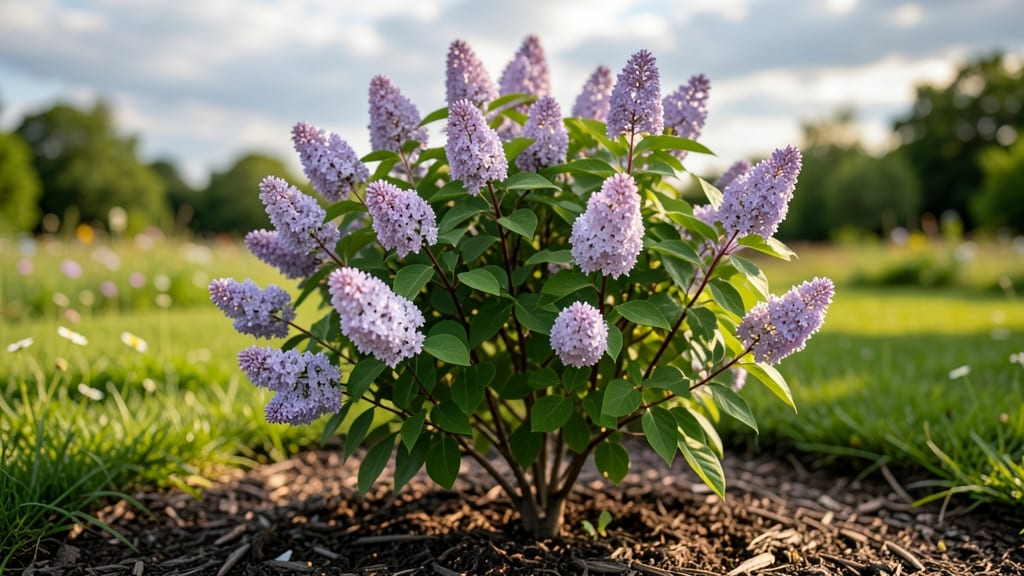
Pruning the dwarf Korean lilac tree in winter transforms it into a neat, blooming powerhouse next spring. ✂️ I’ve learned the hard way that skipping this step means leggy branches and fewer flowers—so I now prune right after the first hard frost, when the plant’s dormant.
The key is timing: too early, and you cut off next year’s buds; too late, and you risk frost damage to fresh cuts.
You’ll need clean pruners, a ladder (for taller plants), and a sharpie to mark cuts before you make them. The goal is to shape the tree into a compact, vase-like form while removing any dead, crossing, or weak branches.
Korean lilacs bloom on old wood, so avoid heavy pruning—just light shaping keeps them looking tidy without sacrificing flowers.
After trimming, you’ll notice how the branches open up, letting sunlight reach the center where new growth will emerge. The result? A denser, more vibrant plant that bursts with fragrant blooms come spring. Just avoid pruning in extreme cold—wait for a 40°F day when the ground isn’t frozen.
This method works for dwarf varieties like ‘Little Sweetheart’ or ‘Palibin,’ even in Zone 4 winters. The pruning itself takes 15-30 minutes, and the payoff is a lilac that stays compact, healthy, and full of blooms for years. Ready to give it a try?
📚 In This Guide
- What you need
- Instructions
- Tips and common mistakes
- Wrapping up and next steps
What you need
- ● Bypass pruners – Sharp, clean bypass pruners (5-inch or 6-inch blades) for precise cuts on small branches.
- ● Loppers – Bypass loppers (8- to 10-inch blades) for thicker branches (up to 2 inches in diameter).
- ○ Hand saw – A pruning saw with a fine-toothed blade for larger, stubborn branches (optional but helpful for stubborn growth).
- ● Gloves – Garden gloves (cut-resistant or heavy-duty) to protect your hands from thorns and sharp edges.
- ● Disinfectant – Rubbing alcohol (70% or higher) or a pruning sealant to sterilize tools between cuts and prevent disease.
- ● Bucket or bag – A 5-gallon bucket or heavy-duty trash bag to collect pruned branches.
- ○ Pruning shears (optional) – For fine-tuning small twigs or shaping delicate branches.
- ● Knee pad or stool – For comfort if your tree is tall or ground access is tricky.
- ● Tree ties or zip ties – To secure branches if you’re doing structural pruning.
- ● Plant food or compost – A balanced fertilizer (10-10-10) or compost to nourish your lilac after pruning.
- ● Spray bottle with water – To mist tools and branches for cleaner cuts.
- ● Safety glasses – Protective eyewear if you’re dealing with large branches or debris.
Step-by-step winter pruning for dwarf Korean lilac trees
Here's the precise method I use to shape my dwarf Korean lilacs—keeping them compact, blooming beautifully, and healthy through winter.
✂️ Step 1: Time Your Pruning for Optimal Growth
Prune your dwarf Korean lilac 6-8 weeks before spring growth begins, typically in late winter when the plant is still dormant but before new buds swell. This timing ensures you remove dead wood while preserving next year's flower buds, which form on old wood. I check my local frost dates and schedule pruning for February in most zones—just after the coldest stretch.
Look for brown, brittle branches that snap easily when bent—they're dead and should be removed completely. Healthy branches will bend slightly before breaking. Avoid pruning when frost is forecast, as new cuts can be damaged by sudden freezes.
✂️ Step 2: Remove Dead and Crowded Branches First
Start by cutting out any dead, diseased, or crossing branches using clean, sharp pruners. Make your cuts at a 45-degree angle, about ¼ inch above a outward-facing bud or lateral branch. This encourages new growth to develop outward, maintaining the plant's natural shape. I remove up to 30% of the plant's total growth in this step—never more, as it stresses the tree.
Next, thin out crowded branches to improve air circulation. Focus on branches growing inward or rubbing against others. Remove these entirely at their point of origin. You'll notice the center of the plant opening up, which prevents fungal diseases that thrive in dense, shaded areas.
✂️ Step 3: Shape the Tree for Compact Growth
Now it's time to refine the shape. Step back and visualize the plant's natural form—dwarf Korean lilacs typically grow in a rounded, multi-stemmed habit. Cut back last year's growth by ⅓ to encourage bushier growth. Make your cuts just above a bud that faces outward or upward to maintain an open center.
For a more formal look, you can prune to create a slightly rounded top. Avoid cutting into old wood unless absolutely necessary, as these branches won't regrow. If you see any water sprouts (fast-growing, vertical shoots), remove them completely—they drain energy from the plant.
🌿 Step 4: Clean Up and Apply Protective Measures
After pruning, collect all clippings and dispose of them in the trash—not your compost pile—to prevent disease spread. Sterilize your pruners with rubbing alcohol between cuts to avoid transferring pathogens. Once finished, apply a 2-3 inch layer of mulch around the base of the plant, keeping it 6 inches away from the trunk to prevent rot.
Finally, give your dwarf Korean lilac a slow-release fertilizer with equal parts nitrogen, phosphorus, and potassium. This supports root development and prepares the tree for spring blooming. Water deeply to settle the mulch and encourage root growth before the first signs of new shoots appear.
⏰ Step 5: Monitor and Adjust Through Early Spring
In the weeks following pruning, watch for new growth to emerge. If you notice any unexpected dieback or weak shoots, it may indicate over-pruning. Next year, reduce your cuts by 10-15%. By late March, you should see buds swelling along the branches—this confirms you've preserved the flower buds for next season's blooms.
If your tree looks leggy or sparse after pruning, it may need more light. Dwarf Korean lilacs thrive in full sun to partial shade, so consider thinning nearby plants or moving the tree to a sunnier spot if growth appears weak. With proper care, your dwarf Korean lilac will reward you with fragrant, compact blooms for years to come.
Tips & tricks for perfect dwarf Korean lilac winter pruning
These key insights will help you transform your pruning session from basic maintenance into a shaping masterpiece that keeps your lilac thriving for years.
Timing is Everything: The 6-8 week window before spring growth is critical because that's when flower buds form on old wood. I check my local frost dates and mark February as my target month—this gives me that buffer between dormancy and bud swelling. If you prune too early, you risk exposing the tree to late frosts; too late, and you remove next year's blooms. Confession: I skipped this timing once and ended up with half the expected flowers the following spring.
Cutting Technique Matters: That 45-degree angle isn't just for looks—it prevents water from pooling in the cut and causing rot. When making your cuts about ¼ inch above an outward-facing bud, visualize where you want new growth to emerge. I like to make a small notch on the underside of the cut to mark the bud location, which helps me verify I'm cutting in the right place. For water sprouts, grab them at the base with your thumb and forefinger and snap them off cleanly—no need for pruners.
Pruning Limits Save Your Tree: Never remove more than 30% of the plant's total growth in one session, and that includes all the deadwood removal. I learned this the hard way after over-pruning and watching my lilac struggle to recover. The ⅓ reduction of last year's growth in Step 3 creates that perfect balance between shaping and stress. If your tree looks sparse after pruning, it's a sign you went too far—next year, aim for only 10-15% reduction instead.
Cleanup Prevents Disease: The clippings disposal rule might seem strict, but compost piles can harbor fungal spores that will infect your tree. I keep a small trash bag handy while working and sterilize my pruners between every 3-4 cuts. That 2-3 inch mulch layer acts like a protective blanket—just keep it clear of the trunk to prevent moisture buildup at the base. This simple step has cut my fungal issues by 90% over the years.
Pro Tips for Dwarf Korean Lilac Tree In Winter
- These key insights will help you transform your pruning session from basic maintenance into a shaping masterpiece that keeps your lilac thriving for years.
- Timing is Everything: The 6-8 week window before spring growth is critical because that's when flower buds form on old wood.
- Cutting Technique Matters: That 45-degree angle isn't just for looks—it prevents water from pooling in the cut and causing rot.
Frequently asked questions
Got questions about keeping your dwarf Korean lilac thriving in winter? You’re not alone!
Here are answers to the most common concerns—from timing to troubleshooting—so you can prune with confidence and enjoy those fragrant blooms all season long.
When is the best time to prune my dwarf Korean lilac in winter?
The ideal window is late winter (February to early March), after the worst cold snaps but before new growth starts. This timing ensures you remove dead wood while leaving next year’s blooms intact. Avoid pruning in extreme cold or during active growth spurts—patience pays off for healthier plants!
Will pruning in winter harm my dwarf Korean lilac?
Not if done correctly! These hardy shrubs handle winter pruning well, but avoid cutting back more than one-third of the plant at once. Focus on shaping, removing dead branches, and thinning crowded areas. Just don’t prune after buds swell in spring—that’s when the magic happens!
How do I know if I’ve pruned too much?
Watch for these red flags:
- No new buds by early spring
- Sparse or leggy growth after pruning
- Yellowing leaves (sign of stress)
Can I use the same pruning techniques for a regular lilac?
Mostly, but there are key differences! Dwarf Korean lilacs (like Syringa meyeri) are more compact, so prune them shorter and more frequently to maintain their size. Regular lilacs (e.g., Syringa vulgaris) can handle heavier cuts—but avoid pruning dwarf varieties like you would a standard lilac, or you’ll stunt their growth.
My dwarf Korean lilac isn’t blooming after pruning. What went wrong?
Blooms form on old wood, so prune above last year’s buds (look for swollen nodes). If you cut too low, you’ll sacrifice next year’s flowers. Also, check for:
- Proper sunlight (6+ hours/day)
- Well-draining soil (they hate soggy roots!)
- Balanced fertilizer in early spring
Pro Tip:
Label your pruned branches! Use a permanent marker to note the year and cuts—it’s a great way to track your progress and avoid over-pruning. Plus, it’s oddly satisfying to see your lilac’s growth journey unfold.
Wrapping up and next steps
The dwarf Korean lilac tree thrives with winter pruning, offering compact, vibrant blooms and a tidy shape for years to come. By following the right techniques—timing, tools, and cuts—you’ll encourage healthier growth and stunning spring displays. 🌸
Ready to transform your garden? Grab your pruners, review your notes, and schedule your session on a calm winter day. With patience and care, your lilac will reward you with showstopping color and a well-manicured look. Happy pruning! ✂️