
How To
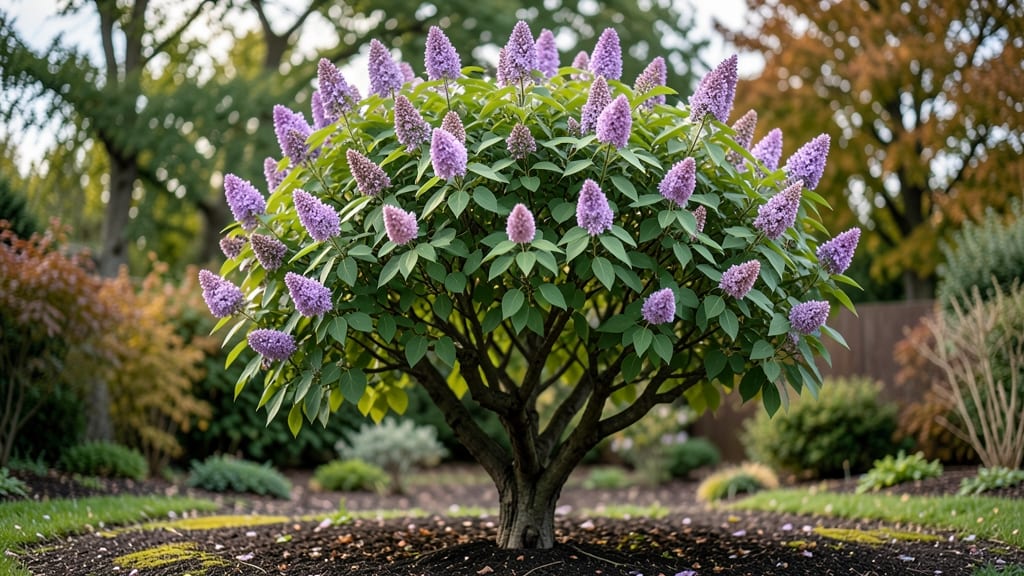
A lilac tree can grow anywhere from 8 to 15 feet tall—depending on the variety, your climate, and how you prune it.
If you're dreaming of fragrant purple blooms but worried about a lilac tree overtaking your yard, understanding its natural growth habits—and how to prune it—could save your landscape from becoming a jungle.
Some varieties, like the popular 'Katherine Havemeyer,' reach 12 to 15 feet without intervention, while dwarf types like 'Dwarf Korean' stay a manageable 6 to 8 feet. The key to controlling height lies in timing and technique, not brute-force cutting.
In this guide, I’ll break down the natural height ranges, the best pruning times to keep your lilac tree 🌸 in check, and how to avoid common mistakes that make them grow unchecked.


Natural height range of lilac trees and varietal differences
Lilac trees are beloved for their fragrant blooms and lush foliage, but their growth habits can vary dramatically depending on the cultivar and growing conditions. On average, most lilac trees reach 10 to 20 feet tall at maturity, though some varieties stay compact.
Understanding these differences helps you choose the perfect lilac for your landscape while managing its size naturally.
Whether you're planning a privacy hedge or a small garden accent, selecting the right variety ensures your lilac thrives without overwhelming your space. Factors like sunlight exposure, soil quality, and climate conditions also play a role in how tall your lilac will grow.
Let’s explore the natural height ranges and what influences them.
🌸
| Varietal Type | Mature Height Range | Best For | Growth Notes |
|---|---|---|---|
| Standard Lilac | 10–20 ft | Large gardens, privacy screens | Fast-growing, needs pruning |
| 'Katherine Havemeyer' | 12–15 ft | Medium-sized landscapes | Fragrant blooms, moderate growth |
| 'Dwarf Korean' | 6–8 ft | Small yards, containers | Slow-growing, compact habit |
| 'Miss Kim' | 4–6 ft | Borders, urban gardens | Dwarf variety, low-maintenance |
| 'Bloomerang' | 8–12 ft | Reblooming interest | Produces flowers twice yearly |
The standard lilac tree typically grows between 10 and 20 feet tall, making it ideal for larger properties or as a natural privacy barrier. Varieties like 'Katherine Havemeyer' fall within this range, reaching 12 to 15 feet at maturity, while still offering manageable size for medium-sized yards.
These taller varieties thrive in full sun and well-draining soil, which accelerates their growth.
For smaller spaces, dwarf lilac varieties like 'Dwarf Korean' or 'Miss Kim' are excellent choices. These compact shrubs stay between 4 and 8 feet tall, perfect for containers, borders, or urban gardens.
Their slower growth rate also means less frequent pruning, making them low-maintenance options for busy gardeners.
Sunlight is a critical factor in determining how tall your lilac will grow. Lilacs thrive in full sun (6+ hours daily), which encourages vigorous growth and abundant blooms. In partial shade, lilacs may grow more slowly and produce fewer flowers, staying shorter but potentially bushier.
If you're in a cooler climate, like USDA Zones 3–6, lilacs tend to grow taller due to longer growing seasons.
Soil quality also impacts height. Lilacs prefer well-draining, slightly alkaline soil with a pH between 6.5 and 7.5. Poor drainage or clay-heavy soil can stunt growth, while rich, loamy soil promotes faster and taller growth.
Amending your soil with compost or organic matter before planting gives your lilac the best start for reaching its full potential height.
Climate plays a surprising role too. In warmer climates, like Zones 7–9, lilacs may grow more slowly due to heat stress, while in cooler regions, they can reach their maximum height more quickly.
Wind exposure can also affect growth—sheltered locations allow lilacs to grow taller and fuller, whereas windy areas may cause them to stay shorter and more compact.
If you're concerned about your lilac outgrowing its space, don’t worry—pruning is the key to controlling its height. The best time to prune lilacs is late winter or early spring, just before new growth begins.
This encourages bushier growth and prevents the tree from becoming too tall. For taller varieties, aim to prune back by one-third to maintain a manageable size while keeping those fragrant blooms coming.
🌿
Step-by-step pruning guide to control lilac tree height
Pruning your lilac tree isn’t just about keeping it from towering over your yard—it’s about shaping its future blooms. The best time to prune is late winter or early spring, just as buds begin to swell but before new growth starts.
This timing ensures you don’t cut off next year’s flowers while still controlling height and encouraging a fuller, bushier shape.
Your tools are simple but critical: sharp bypass pruners for clean cuts, loppers for thicker branches, and gloves to protect your hands from thorns. Always sterilize your tools with rubbing alcohol to prevent spreading disease between cuts.
Start by removing any dead, diseased, or crossing branches first—they’re the easiest to spot and the most important to address.
Step-by-Step Pruning Guide
- 1 Remove dead or diseased branches first—cut all the way back to the main trunk or a healthy lateral branch.
- 2 Prune 1/3 of the oldest wood to encourage new growth—look for branches with no flowers or sparse foliage.
- 3 Shape the outer canopy by trimming back the longest branches to maintain your desired height—aim for a rounded, balanced silhouette.
- 4 Thin out overcrowded branches to improve airflow and reduce disease risk—remove branches growing inward or rubbing against others.
- 5 Never cut green, flowering wood—this removes next year’s blooms. Wait until after the lilac finishes flowering to prune for shape.
To encourage bushier growth without sacrificing blooms, focus on pruning older wood first. Lilacs flower on last year’s growth, so avoid cutting back into the center of the plant where older branches thrive.
Instead, trim the outer edges to redirect energy toward new shoots. For a dwarf lilac, you can prune more aggressively, even cutting back 50% of the height in late winter if needed.
After pruning, apply a layer of mulch around the base to retain moisture and protect roots. Water deeply to help the tree recover, and avoid fertilizing until new growth appears in spring.
Over time, this method will keep your lilac compact, healthy, and blooming without letting it grow into an unmanageable giant.
Remember, lilacs respond well to regular pruning but hate drastic changes. If you’ve let your lilac grow too tall, don’t panic—gradual pruning over 2-3 years will bring it back under control. Patience and consistency are key to a perfectly sized, fragrant lilac tree.