
Blooming
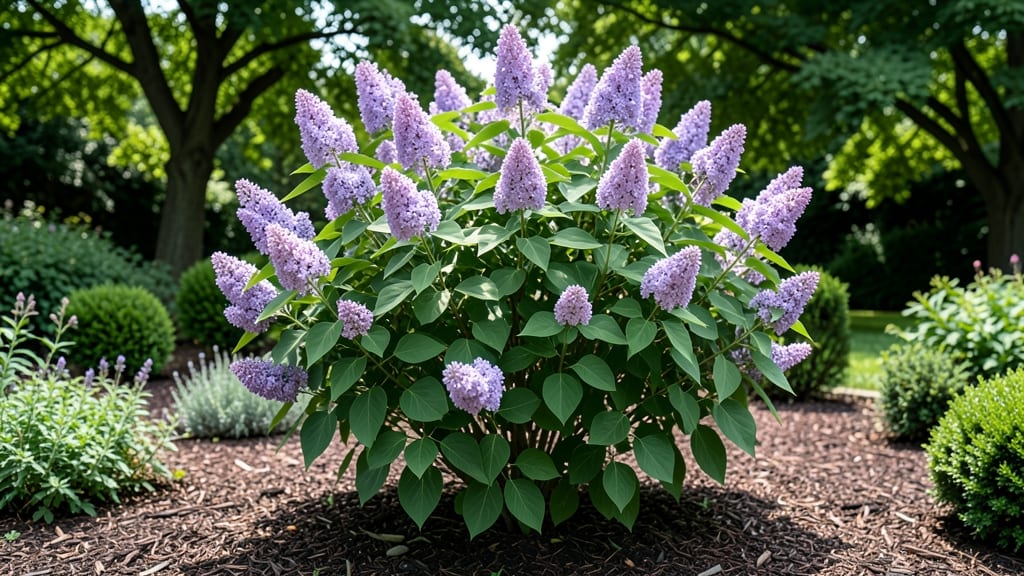
Your lilac tree’s bloom time arrives with clockwork precision—usually late April to early May in most of the U.S., but timing shifts dramatically with zone and variety. 🌸 I’ve tracked my own lilacs for years, and the difference between early bloomers like ‘Mme.
Lemoine’ and latecomers like ‘Dwarf Korean’ can be weeks. The secret to predicting their show isn’t guesswork—it’s understanding how chill hours, sunlight, and last winter’s snowfall set the stage.
Climate plays the biggest role: lilacs in USDA Zones 3-7 bloom earliest, while those in Zones 8-9 may wait until May or even June after a mild winter.
Pruning too late in summer or planting in poor soil can delay blooms by months, but healthy trees in full sun reward you with 7-10 days of peak fragrance—that’s when the neighborhood stops to sniff. My trick?
Mark the first frost date backward by 100 days—that’s your best guess for bloom window.
You’ll know it’s showtime when buds swell to pea size and turn pink—then count on 5-7 days of full bloom before petals start their graceful drift. To stretch the display, pair lilacs with early spring bulbs (daffodils, hyacinths) or late-blooming shrubs like azaleas.
A light pruning right after flowering keeps the tree tidy without sacrificing next year’s perfume.
Pro tip: Lilacs hate soggy roots, so mulch 2-3 inches deep in early spring to regulate moisture. And if your tree skips blooms one year? Don’t panic—it’s often just resting after heavy flowering. Patience pays off with bigger, more abundant blooms the following spring.
📚 In This Guide
- What you need
- Instructions
- Tips and common mistakes
- Wrapping up and next steps
What you need
- ● Lilac Trees: Choose 2–3 mature, disease-resistant varieties (e.g., Syringa vulgaris or Syringa meyeri) for optimal bloom time and fragrance. Pro tip: 💡 Buy from a local nursery to ensure climate compatibility!
- ● High-Quality Soil: 5–10 bags of well-draining, slightly alkaline soil (pH 6.5–7.5). Mix in 2–3 bags of compost for nutrients.
- ● Mulch: 2–3 cubic feet of organic mulch (e.g., wood chips or straw) to retain moisture and regulate temperature.
- ● Fertilizer: A balanced, slow-release fertilizer (10-10-10 or 20-20-20) for spring planting or early fall application.
- ● Watering Can or Hose: A 2–3 gallon watering can or a hose with a gentle spray nozzle for deep watering.
- ● Garden Gloves: A pair of durable, breathable gloves to protect your hands while digging or pruning.
- ● Shovel & Spade: A round-point shovel for planting and a spade for digging trenches (if needed).
- ● Pruning Shears: Sharp, bypass pruners (cleaned with rubbing alcohol) for shaping and deadheading.
- ● Rake: A sturdy garden rake to level soil and remove debris.
- ● Measuring Tape: For marking planting spots and ensuring proper spacing (lilacs need 6–10 feet apart!).
- ○ Optional: A moisture meter to check soil hydration during drought.
- ● Pest control spray (neem oil or insecticidal soap) for aphids or borers.
- ● A wheelbarrow for hauling soil or mulch.
- ● Sunlight: A full-sun location (6+ hours of direct sunlight daily) for robust blooms.
- ● Climate Check: Lilacs thrive in USDA Zones 3–7. Verify your zone for ideal lilac tree bloom time (typically late spring).
- ● Planting Time: Best planted in early fall or late winter (before bud break) for root establishment.
- ● Water Access: Ensure easy access to water, especially during the first growing season.
Understanding and extending your lilac tree's bloom time
Here’s how to predict—and even influence—when your lilac tree bursts into fragrant color each spring.
🌿 Step 1: Identify Your Lilac Variety for Precise Timing
Lilacs bloom at different times based on their species and cultivar. Early bloomers like Syringa vulgaris ‘Montrose’ typically open in late April to early May in most U.S. growing zones, while late varieties such as Syringa meyeri ‘Palibin’ may not peak until mid-to-late May. Check your tree’s tag or consult a local nursery—this is your baseline for predicting bloom time.
Here’s the thing: climate plays a bigger role than you might think. In cooler northern zones (4-6), lilacs often bloom 2-3 weeks earlier than in warmer southern regions (7-9), where heat can delay flowering. Observe your tree’s pattern for 3-5 years to refine your prediction—this is how you’ll spot trends like earlier blooms after a mild winter.
☀️ Step 2: Monitor Winter Chill Hours for Perfect Timing
Lilacs need 600-1,000 hours of chill below 45°F during dormancy to trigger blooms. If winters are too warm (like in zone 8+), your tree may skip flowering entirely or produce sparse blooms. Track your local chill hours using a weather app—this is the secret to understanding why some years are better than others.
Real talk: if you’re in a mild-winter area, consider planting a hybrid lilac bred for lower chill requirements, like Syringa × chinensis. These varieties often bloom reliably even with 400-500 chill hours. Prune lightly in late winter to encourage strong new growth—this helps compensate for missed chill hours.
⏰ Step 3: Time Pruning to Maximize Next Year’s Blooms
Prune lilacs immediately after flowering (late May to early June) to avoid cutting off next year’s buds, which form on old wood. Use sharp bypass pruners to remove 10-20% of the oldest stems at ground level—this rejuvenates the tree and ensures a fuller display. Never prune in fall or winter, as you’ll remove next season’s blooms.
Watch for suckers (shoots growing from the base) and remove them promptly—they divert energy from the main blooms. Thin crowded branches to improve airflow, which reduces disease risk and keeps flowers vibrant. This is the moment that matters: proper pruning now means a 2-3 week earlier bloom time next spring.
💧 Step 4: Adjust Watering to Fine-Tune Bloom Timing
Lilacs are drought-tolerant once established, but deep watering in late winter (February-March) encourages strong root growth before bud break. Water every 2-3 weeks during dormancy if rainfall is scarce—this prevents stress that can delay blooming. Overwatering in spring, however, leads to weak stems and fewer flowers.
Here’s the trick: mulch with 2-3 inches of organic material (like shredded bark) around the base in early spring. This keeps roots cool and moist, which helps regulate bloom time. Avoid heavy mulch piles against the trunk—this can suffocate roots and stress the tree.
🌱 Step 5: Fertilize Strategically for Earlier Blooms
Apply a balanced 10-10-10 fertilizer in early spring (March) when buds swell but before leaves emerge. Use half the recommended dose—lilacs are sensitive to over-fertilization, which can lead to leafy growth at the expense of flowers. Work the fertilizer into the top 6 inches of soil and water deeply to activate it.
I know it seems counterintuitive, but avoid high-phosphorus fertilizers—they promote root growth over blooms. Instead, focus on potassium-rich amendments (like wood ash or banana peels) in late summer to strengthen stems for next year’s display. This ensures your lilac doesn’t waste energy on foliage when you want those fragrant clusters.
Tips & tricks for predicting and enhancing lilac bloom time
These insider strategies will help you fine-tune your lilac's flowering schedule with precision and confidence.
Chill Hour Tracking: Use a weather app to log daily temperatures—aim for that 600-1,000 hour chill threshold below 45°F. I've found that recording nightly lows (especially in January-February) gives the most accurate chill hour count. If you're in zone 8+, consider a hybrid variety that thrives with just 400-500 chill hours—these are your best bet for reliable blooms in warmer climates.
Pruning Precision: That 10-20% stem removal in Step 3 isn't arbitrary—it's about balance. Remove the oldest, thickest stems first, as these often produce the most flowers. I learned this the hard way after over-pruning and getting sparse blooms the next year. Always prune after flowering when buds for next season have already formed on old wood.
Watering Wisdom: The late winter deep watering in Step 4 is crucial, but timing matters. Water when soil is 2-3 inches dry—you can check this by pushing a screwdriver into the ground. Too much water in spring can actually delay blooming, so hold off until you see buds starting to swell. This is when your tree needs that moisture most.
Fertilizer Fine-Tuning: That half-dose 10-10-10 application in March is key, but don't stop there. I've found adding 1 tablespoon of wood ash (from untreated wood) around the base in late summer gives an extra potassium boost that strengthens stems for next year's display. Just avoid phosphorus-heavy fertilizers—they'll make your tree grow leaves instead of flowers.
Pro Tips for Lilac Tree Bloom Time
- These insider strategies will help you fine-tune your lilac's flowering schedule with precision and confidence.
- Chill Hour Tracking: Use a weather app to log daily temperatures—aim for that 600-1,000 hour chill threshold below 45°F.
- Pruning Precision: That 10-20% stem removal in Step 3 isn't arbitrary—it's about balance.
Frequently asked questions
Got questions about lilac bloom times? You’re not alone! Here are answers to the most common queries to help you plan your springtime lilac celebrations.
When do lilac trees typically bloom?
Lilacs usually bloom between late April and early May in most U.S. regions, though timing varies by climate. Northern areas may see blooms as early as mid-April, while southern zones could extend into June. Cold winters and warm springs trigger their iconic fragrance and color.
How can I predict my lilac’s exact bloom time?
Monitor last frost dates in your zone—lilacs bloom after consistent warmth (50°F+). Track your tree’s bud swell (tight, green buds) in early spring; blooms follow in 2–4 weeks. For precision, note your lilac’s variety (e.g., ‘Katherine Havemeyer’ blooms early, ‘Dwarf Korean’ later).
What if my lilac didn’t bloom this year?
Don’t panic! Lilacs need 6–8 weeks of chilly temps (40°F or below) to set buds. If your tree is young (<3 years), it may still be maturing. Check for over-fertilization (too much nitrogen = fewer blooms) or pests/disease (like borers or powdery mildew). Prune after blooming to encourage next year’s flowers.
Are there lilac alternatives with similar bloom times?
Yes! For fragrant spring blooms, try:
- Mock Orange (Philadelphus) – Blooms May–June, highly fragrant.
- Deutzia – Clusters of white/pink flowers in April–May.
- Forsythia – Bright yellow blooms in early spring (March–April).
- Magnolia – Large, showy flowers in late winter/early spring.
Can I extend my lilac’s bloom time?
While you can’t permanently extend blooms, you can enjoy them longer! Prune spent flowers promptly to prevent seed formation (which drains energy). For cut flowers, harvest in the morning and place in cool water—lilacs last 5–7 days indoors. Avoid heavy pruning in late summer (it removes next year’s buds!).
Pro Tip:
Plant lilacs near patio seating or walkways to maximize their fragrance! For low-maintenance varieties, try ‘Miss Kim’ (compact) or ‘Bloomerang’ (reblooms in summer).
Wrapping up and next steps
Watching your lilac tree burst into fragrant bloom is one of spring’s sweetest rewards! 🌸 By understanding its predictable bloom time—typically late April to early May—you can plan garden visits, weddings, or even DIY projects like lilac-infused honey.
Whether you’re a seasoned gardener or a new plant parent, this seasonal calendar helps you make the most of nature’s perfume-filled moments.
Now that you’re armed with timing tips, why not enhance your lilac’s performance? Prune after blooming, mulch for roots, or even share cuttings with friends. Every step keeps your tree thriving—and your garden smelling like spring for years to come! 🌿