
Pruning
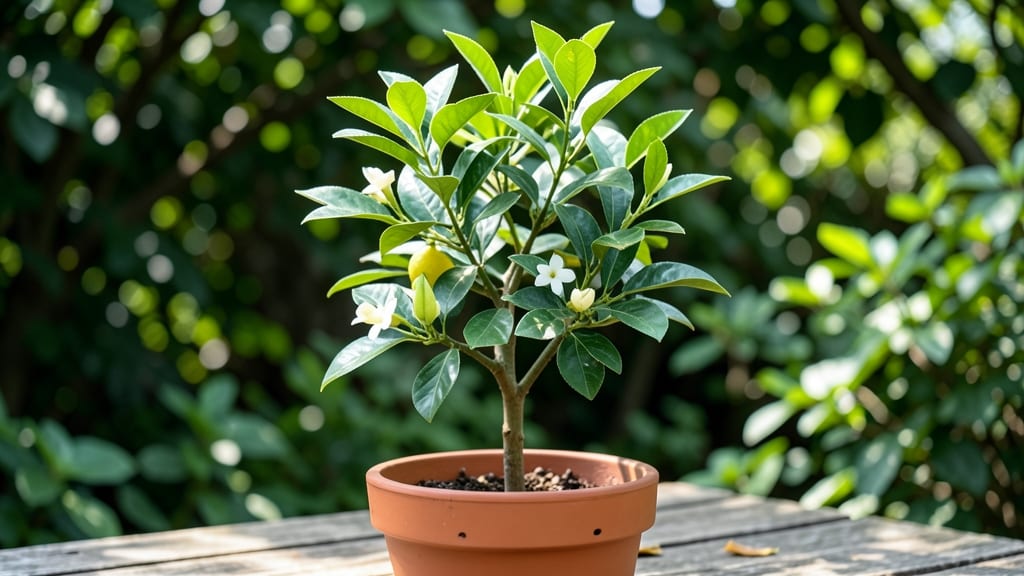
Starting a lemon tree from a cold-hardy starter means fresh citrus in your kitchen within 3-5 years—no matter where you live. 🌱 I’ve grown three varieties through winters in Zone 5, and the secret isn’t fancy equipment but choosing the right starter and giving it consistent care.
The first year is all about roots, not fruit, so patience pays off with a tree that keeps producing for decades.
Look for a 1-2 gallon starter with firm stems, glossy leaves, and no yellowing—those are your telltale signs of health. Plant in well-draining soil (mix equal parts potting mix and perlite) and place it where it gets 6+ hours of sunlight daily.
Cold-hardy varieties like ‘Meyer’ or ‘Improved Meyer’ handle 20°F temps if protected, but most starters need winter indoors near a sunny window.
Water deeply once a week (less in winter) and fertilize monthly with citrus-specific food after the first year. Prune leggy growth in early spring to encourage bushier shape. By year three, you’ll see blossoms—and eventually, those bright yellow lemons that taste sweeter than store-bought.
Whether you’re growing in pots on a patio or planting outdoors in warmer zones, these varieties adapt surprisingly well. The key is consistency: same sunlight spot, steady water, and no sudden temperature swings. Here’s how to avoid the three mistakes that kill starters before they even bloom.
📚 In This Guide
- What you need
- Instructions
- Tips and common mistakes
- Wrapping up and next steps
What you need
- ● Lemon tree starter: Cold-hardy variety (e.g., Citrus × meyeri ‘Improved Meyer’ or Citrus × limon ‘Ponderosa’)
- ● Healthy nursery plant (3–5 gallons in size) or a grafted tree for better cold resistance
- ● Container or planting site: For containers: 15–25 gallon pot with drainage holes (or larger for mature trees)
- ● For in-ground: Well-draining soil (amend with compost if needed) and a sheltered location (e.g., against a south-facing wall)
- ● Potting mix or soil: Well-draining citrus mix (or a blend of 60% potting soil, 30% perlite, and 10% compost)
- ● Fertilizer: Balanced citrus fertilizer (e.g., 6-6-6 or 8-3-9) or organic options like worm castings or fish emulsion
- ● Watering tools: Watering can or hose with a gentle spray nozzle
- ○ Moisture meter (optional but helpful for monitoring soil dryness)
- ● Pruning tools: Sharp bypass pruners (for shaping and removing dead branches)
- ● Sterilizing solution (e.g., rubbing alcohol or bleach) to clean tools between cuts
- ● Cold protection: Frost cloth or bubble wrap (for young trees or unexpected freezes)
- ● Mulch (straw or wood chips) to insulate roots in winter
- ● Support structures: Stakes or a small trellis (for young trees in windy areas)
- ● Pest control: Neem oil or insecticidal soap (for aphids, scale, or spider mites)
How to select and start a cold-hardy lemon tree
Here's how to choose the right cold-resistant variety and get your citrus tree growing strong.
🌱 Step 1: Choose the Right Cold-Hardy Variety
For year-round success, select a Meyer lemon or Ponkan mandarin-lemon hybrid—both tolerate brief dips to 20°F with proper care. Avoid standard lemons like Eureka or Lisbon; they'll freeze in most climates. I always check the USDA hardiness zone on the tag—Zone 8b or higher is ideal for outdoor planting, but container growing extends your range.
Look for young trees labeled "dwarf" (6-8 feet at maturity) for easier indoor/outdoor transitions. These compact varieties fruit faster and handle pot life better than standard-sized trees. I've found that 1-2 gallon container-grown trees (12-18 inches tall) establish most reliably—they're mature enough to handle transplant shock but small enough to move indoors easily.
☀️ Step 2: Prepare the Planting Location
Place your lemon tree in full sun (6+ hours daily) near a south-facing window or under grow lights. In colder climates, I use a sunroom, greenhouse, or heated garage during winter months. The key is maintaining 60-75°F temperatures—any colder and growth stalls, any hotter and fruit quality suffers.
For container growing, select a pot at least 12 inches deep with drainage holes. I've had best results with terra cotta—it breathes better than plastic and helps prevent root rot. Fill the bottom 2 inches with gravel or perlite for drainage, then add a well-draining citrus mix (equal parts potting soil, perlite, and compost). This prevents soggy roots that invite fungal diseases.
💧 Step 3: Water and Fertilize for Establishment
Water deeply every 5-7 days until the top 2 inches of soil feel dry. Lemon trees hate soggy roots but also can't tolerate drought stress. I check moisture by sticking my finger in the soil—if it's dry past the first knuckle, it's time to water. During winter dormancy (below 50°F), reduce watering to every 10-14 days to prevent root rot.
Feed with a citrus-specific fertilizer (high in nitrogen and micronutrients) every 4-6 weeks during growing season. I use a 20-20-20 formula diluted to half-strength to avoid burning tender roots. Stop fertilizing when nights drop below 50°F—the tree needs to rest for winter. Yellowing leaves often signal over-fertilization, so I always rinse the soil lightly after feeding to prevent salt buildup.
✂️ Step 4: Prune and Protect for Winter Survival
Prune in late winter (just before new growth begins) to shape the tree and remove dead wood. I cut back leggy branches by one-third to encourage bushier growth. Never prune into old wood—lemon trees bloom on new growth, so aggressive pruning reduces fruit production. Sterilize pruners with rubbing alcohol between cuts to prevent disease spread.
For outdoor planting in Zone 8a or colder, wrap the trunk in burlap and cover the root zone with mulch to insulate roots. I've used frost cloth draped over the tree during hard freezes (below 25°F), securing it with stakes. Move potted trees indoors before temperatures drop below 40°F—citrus trees are tropical at heart and won't recover from prolonged cold exposure.
🍋 Step 5: Encourage Fruit Set and Ongoing Care
To maximize fruit production, hand-pollinate flowers with a small brush in spring when temperatures stay above 60°F. Lemon trees are self-pollinating but benefit from this extra help—especially in indoor settings. Remove any fruit that appears before June (in warmer climates) to redirect the tree's energy into stronger growth and larger harvests next season.
Watch for scale insects and spider mites—common pests that thrive on stressed citrus. I treat infestations with neem oil spray applied at dusk when bees aren't active. For container trees, rotate pots quarter-turn weekly to ensure even sunlight exposure and prevent the tree from growing lopsided. With consistent care, you'll see your first lemons in 2-3 years—patience is key with citrus!
Tips & tricks for growing cold-hardy lemon trees
Between us, the difference between a struggling lemon tree and one that thrives through winter often comes down to these smart adjustments.
Variety Selection Matters: When choosing between Meyer lemon and Ponkan hybrids, opt for the Meyer if you want sweeter, more aromatic fruit—it's slightly more cold-tolerant too. For true lemons with that classic tartness, Ponkan hybrids are your best bet, though they're marginally less cold-hardy. I've found that nursery-grown trees labeled "Zone 8b" often survive brief dips to 20°F better than what's listed, but always verify with your local extension office for microclimate specifics.
Container Size and Material: That 12-inch minimum depth is non-negotiable, but here's the thing about terra cotta: it dries out faster than plastic, which actually helps prevent root rot in humid climates. If you live in a dry area, you might need to water more frequently with terra cotta. Pro tip: Add a layer of hydrogel crystals (optional) to the bottom of your pot—these absorb and release moisture, giving you a 2-3 day buffer between waterings during summer heatwaves.
Winter Protection Strategy: The 40°F threshold for moving potted trees indoors is your absolute cutoff, but don't wait until the last minute. I've seen trees suffer from sudden temperature swings when moved from 45°F to 70°F in one day. Acclimate your tree by moving it indoors gradually over 3-4 days, placing it in a cooler indoor spot first before its final warm location. For outdoor trees in Zone 8a, that frost cloth needs to be secured tightly—citrus leaves are delicate and can tear easily in wind.
Fertilizer Timing: The 4-6 week feeding schedule assumes perfect growing conditions. In reality, your tree might need more frequent feeding if you notice new growth slowing down during peak summer months. I've switched to a fish emulsion (optional) during these periods—it breaks down faster and provides immediate nutrients. Just remember: the 50°F nighttime threshold is absolute for stopping fertilizers, as citrus trees go semi-dormant in cooler weather.
Pro Tips for Lemon Tree Starter
- Between us, the difference between a struggling lemon tree and one that thrives through winter often comes down to these smart adjustments.
- Variety Selection Matters: When choosing between Meyer lemon and Ponkan hybrids, opt for the Meyer if you want sweeter, more aromatic fruit—it's slightly more cold-tolerant too.
- Container Size and Material: That 12-inch minimum depth is non-negotiable, but here's the thing about terra cotta: it dries out faster than plastic, which actually helps prevent root rot in humid climates.
Frequently asked questions
Got questions about starting your own cold-hardy lemon tree? Here are some of the most common ones—plus straightforward answers to help you grow with confidence!
What’s the best time of year to plant a lemon tree starter?
The ideal window is late spring or early summer (after the last frost). This gives young trees time to establish roots before winter. If you’re in a mild climate, fall planting can work too—just avoid extreme heat or cold. Pro tip: Water deeply a week before transplanting to reduce shock!
Can I grow a lemon tree from a grocery store lemon?
Technically yes, but it’s not recommended for cold-hardy varieties. Store-bought lemons are often grafted hybrids with weak roots and poor disease resistance. Instead, opt for cold-hardy starters like ‘Meyer’ or ‘Improved Meyer’—they’re bred to thrive in cooler zones (USDA 7-10) and produce reliably.
How do I protect my lemon tree starter in winter?
Cold-hardy starters handle light frosts, but extreme cold (<20°F) can damage them. Use these tricks:
- Wrap the trunk with burlap or frost cloth.
- Mulch the base with 3–4 inches of straw or wood chips.
- Move potted trees to a garage or sheltered spot.
Why isn’t my lemon tree starter growing leaves?
Common causes include:
- Underwatering: Lemon trees need consistent moisture (1–1.5 inches per week). Check soil—it should feel damp but not soggy.
- Over-fertilizing: Too much nitrogen burns roots. Use a balanced citrus fertilizer (6-6-6) sparingly.
- Low light: Place in 6+ hours of sunlight daily. Yellow leaves? It might need more light or less water.
How long until my lemon tree starter bears fruit?
Cold-hardy varieties like ‘Improved Meyer’ can produce fruit in 2–3 years with proper care. Patience is key! To speed things up:
Bonus: Hand-pollinate flowers with a soft brush to boost fruit set!
Wrapping up and next steps
Starting your own lemon tree with cold-hardy varieties is a rewarding journey that brings fresh, zesty flavors right to your doorstep—even in chilly climates! 🌱 Whether you're a seasoned gardener or a beginner, these resilient trees offer year-round beauty and productivity with the right care.
Now that you’re armed with the best varieties, pruning tips, and troubleshooting advice, it’s time to roll up your sleeves and watch your citrus dreams grow.
Ready to take the next step? Pick your favorite variety, gather your tools, and plant that starter kit today! Your future harvest of homegrown lemons is just a season away. 🍋✨