
How To
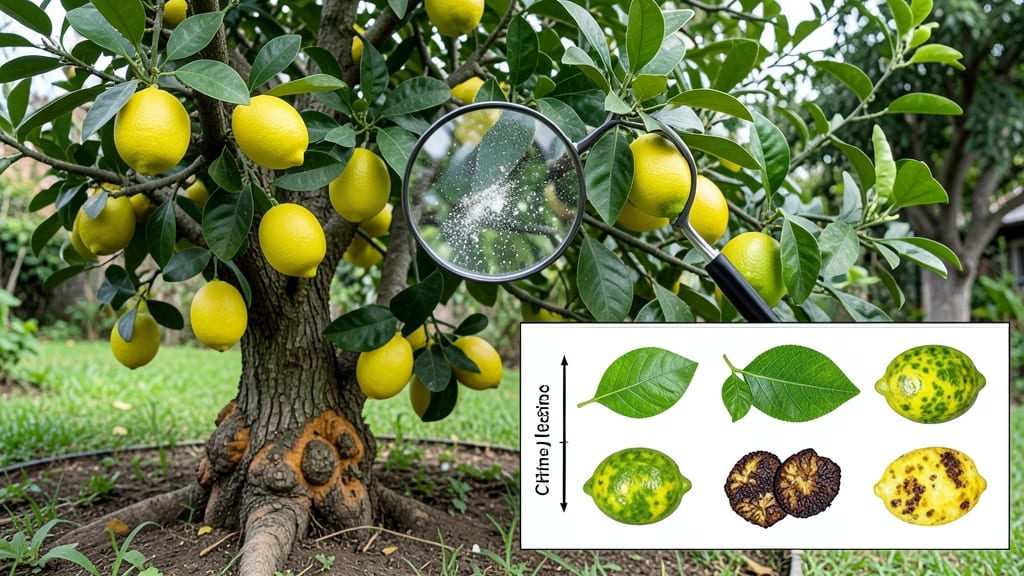
How to identify citrus tree diseases early is key to saving your grove—dropping leaves or strange spots on branches are the first warning signs. Those are the first red flags of disease—and catching them early means saving your tree. I’ve spent years diagnosing citrus canker, greening disease, and root rot in my own grove, and the key is knowing what to look for before symptoms spiral out of control.
Start with the leaves: yellowing, crinkling, or raised spots are classic signs of fungal infections like citrus canker. Then check the fruit—pitting, scabbing, or premature drop often mean greening disease or nutrient deficiencies.
Root rot shows up as wilting even when the soil is wet, because the roots can’t absorb water anymore.
Most fixes start with pruning infected branches (sterilize your tools first!) and improving drainage. For fungal diseases, a copper-based fungicide applied at the first sign can stop the spread. The real secret? Prevention—spraying preventatively in spring and avoiding overhead watering keeps most diseases at bay.
When in doubt, send a sample to your local extension office. They’ll confirm the diagnosis and recommend targeted treatments. With the right approach, you can turn around even a struggling tree—and keep your harvest thriving for years.
Underlying Causes Of Citrus Tree Ailments
Citrus trees are resilient, but they’re not invincible. When diseases strike, it’s usually because of a mix of environmental stress, microbial invaders, or poor growing conditions. Understanding the root causes helps you spot problems early and take action before they spiral out of control.
Here’s why citrus trees fall prey to diseases—and how to recognize the triggers.
---
Fungi are the #1 culprit behind citrus tree diseases, thriving in warm, humid conditions. These microscopic organisms latch onto weak spots—like damaged bark, overwatered roots, or crowded foliage—and multiply rapidly.
- Overhead Irrigation 💦: Water droplets splash onto leaves, creating a perfect breeding ground for fungi like citrus scab (Elsinoë fawcettii) or melanose (Diplodia natalensis).
These pathogens exploit moisture to spread spores. - Poor Air Circulation 🌬️: Dense canopies or trees planted too closely trap humidity, encouraging root rot (Phytophthora species) or anthracnose (Colletotrichum spp.), which thrive in stagnant, damp air. - Warm, Wet Seasons ☀️🌧️: Fungi love temperatures between 75–85°F (24–29°C) with high humidity.
If your tree isn’t drying out quickly after rain, fungal spores get a free pass to infect leaves, fruit, and stems.
Pro Tip: 💡 Prune for airflow—thin out branches to let sunlight and breeze move through the canopy. Use drip irrigation instead of sprinklers to keep foliage dry.
---
Bacteria are aggressive invaders that enter through wounds, tools, or even insects. Once inside, they multiply quickly, clogging vascular tissues and causing wilting, oozing lesions, or leaf scorch.
- Injured Bark or Fruit ⚔️: Cuts from pruning, hail, or pest damage create entry points for citrus bacterial canker (Xanthomonas axonopodis), which causes raised, oily lesions on leaves and stems. - Contaminated Tools 🔪: Pruners, saws, or even your hands can transfer bacteria from infected to healthy trees. Never sterilize tools? That’s an open invitation for disease. - Heavy Rain or Wind 🌪️: These forces abrade bark, creating microscopic wounds where bacteria like citrus greening (HLB) (Candidatus Liberibacter) can hitch a ride via psyllid insects.
Pro Tip: ✨ Sterilize tools with 70% rubbing alcohol between cuts. Remove and dispose of infected branches (don’t compost them!) to prevent spread.
---
Pests don’t just eat your tree—they carry diseases and create wounds that invite infections. Two major culprits:
- Psyllids (Citrus Greening Vector) 🐛: These tiny, sap-sucking insects transmit HLB (huanglongbing), a devastating bacterial disease that turns leaves yellow and stunts fruit production. No cure exists—prevention is key. - Scale Insects & Aphids 🐞: Their honeydew secretions foster sooty mold (Capnodium spp.), a black fungal growth that coats leaves, blocking sunlight and weakening the tree.
Pro Tip: 🎯 Monitor for pests weekly during growing seasons. Use neem oil or horticultural oil to smother eggs and adults before they multiply.
---
A tree under stress is far more susceptible to disease. Common triggers include:
| Deficiency/Stress | How It Weakens Trees | Disease Risk | |-----------------------|--------------------------|------------------| | Nitrogen (N) Deficiency 🍃 | Stunted growth, pale leaves | Fungal infections (less energy to fight off pathogens) | | Zinc (Zn) or Iron (Fe) Deficiency 🌿 | Yellowing between veins (chlorosis) | Bacterial canker (weakened cell walls) | | Overwatering 💧 | Root rot (Phytophthora) | Fungal root diseases (anaerobic soil encourages pathogens) | | Drought Stress 🏜️ | Wilting, cracked bark | Bacterial leaf spot (stressed trees can’t seal wounds) |
Pro Tip: 💪 Test soil every 2–3 years and amend with balanced citrus fertilizer (high in nitrogen, micronutrients). Water deeply but infrequently—citrus trees hate soggy roots.
--- Sometimes, Mother Nature herself sets the stage for disease:
- Sudden Temperature Shifts ❄️☀️: Cold snaps followed by heat shock trees, making them vulnerable to cold injury (which opens doors for fungal infections like brown rot). - High Humidity + Low Sunlight 🌧️🌑: Shady or overcrowded trees retain moisture, perfect for powdery mildew (Oidium spp.) or rust fungi. - Poor Drainage 🚫💦: Waterlogged soil suffocates roots, inviting root rot (Armillaria or Fusarium species).
Pro Tip: 🌡️ Choose disease-resistant citrus varieties (like ‘Meyer lemon’ or ‘Carrizo citrange’ rootstock) for your climate. Mulch with gravel or bark to improve drainage.
--- Even well-meaning gardeners can accidentally invite diseases with these habits:
- Ignoring Pruning Wounds ❌: Leaving jagged cuts exposes fresh tissue to infection. Always prune in dry weather and seal cuts with pruning sealant. - Over-Fertilizing 🚫🌱: Excess nitrogen promotes luxuriant growth—soft, new shoots are fungal buffets.
Stick to slow-release fertilizers. - Planting Too Close 🌳🌳: Crowded trees compete for nutrients and trap humidity. Space citrus 15–20 feet apart for airflow.
Pro Tip: 🔥 Prune in late winter (dormant season) to minimize stress. Space trees properly and rotate crops if growing in containers.
How to Treat Citrus Tree Ailments
Once you’ve spotted the trouble, acting fast can save your citrus tree—and your harvest! Here’s a practical, step-by-step guide to tackling common citrus diseases, from quick fixes to long-term prevention.
Think of it as your citrus tree’s first-aid kit, packed with actionable tips to restore health and keep pests at bay.
---
Signs you’ve spotted: Sunken, oozing sores on bark or fruit; yellow-brown spots with red edges.
🔥 Step 1: Prune the Problem Areas - Use sterilized pruning shears (wipe with rubbing alcohol between cuts) to remove infected branches at least 6 inches below the lesion. - Bag and dispose of clippings—don’t compost them! 🚯
🍳 Step 2: Clean the Wounds - Scrub affected bark with a bristle brush and a mix of 1 part bleach to 9 parts water (or a copper-based fungicide like Copper Soap). - Let the area dry completely before applying treatment.
👨🍳 Step 3: Apply Fungicide - Spray the tree (and nearby soil) with a copper fungicide (e.g., Bonide Copper Fungicide) or baking soda spray (1 tbsp baking soda + 1 quart water + a few drops of dish soap). - Reapply every 7–14 days during wet seasons or after rain.
🌱 Prevention Tips: - Space trees properly (12–15 feet apart) for airflow. - Avoid overhead watering—use drip irrigation to keep foliage dry. - Plant resistant varieties like Meyer lemons or Satsuma mandarins if canker is rampant in your area.
---
Signs you’ve spotted: Yellowing leaves with green veins; small, lopsided fruit; dieback in branches.
⚠️ Warning: HLB is spread by psyllids and often fatal. Early detection is critical!
🔪 Step 1: Remove Infected Trees - If confirmed, dig up and destroy the tree (including roots) to prevent spread. Do not compost! - Report the case to your local agricultural extension office—they may offer testing or removal assistance.
🌡️ Step 2: Treat Psyllids Aggressively - Monitor for psyllids (tiny, jumping insects on new growth). - Spray with neem oil or insecticidal soap (follow label instructions). - Release beneficial insects like ladybugs or parasitic wasps to control populations.
🎯 Step 3: Boost Tree Health - Fertilize with micronutrients (especially zinc and manganese) to strengthen defenses. - Prune for sunlight—HLB thrives in shaded, stressed trees. - Avoid nitrogen-heavy fertilizers, which attract psyllids.
💡 Prevention Tips: - Inspect new trees for psyllids before planting (buy from HLB-free nurseries). - Quarantine new citrus plants for 30 days in a separate area. - Plant trap crops (like bitter orange) to lure psyllids away from your fruit trees.
---
Signs you’ve spotted: Wilting leaves, soft/brown roots, foul-smelling soil, or mushrooms at the base.
💦 Step 1: Improve Drainage - Dig a trench around the tree to redirect water away from the roots. - Raise the soil level slightly (mound soil around the base) to prevent water pooling. - Avoid mulch piles directly against the trunk—keep it 2–3 inches away.
🔄 Step 2: Adjust Watering Habits - Water deeply but infrequently (1–2 times per week, depending on climate). - Check soil moisture—stick your finger 2 inches down; if it’s damp, wait before watering again.
🌱 Step 3: Fungal Treatment - Solarize the soil (if severe): Cover the root zone with clear plastic for 4–6 weeks in hot sun to kill fungi. - Apply a fungicide like Mycorrhizal fungi or Trichoderma harzianum to outcompete pathogens.
✨ Prevention Tips: - Plant in well-draining soil (amend clay soil with compost or sand). - Choose a raised bed if your yard has poor drainage. - Avoid overwatering—citrus trees hate soggy feet!
---
Signs you’ve spotted: Dark, velvety spots on fruit; black or brown lesions on leaves.
🍳 Step 1: Prune and Sanitize - Remove all infected fruit and leaves (even those on the ground). - Sterilize tools between cuts with bleach or alcohol.
👨🍳 Step 2: Fungicide Sprays - Copper fungicide (e.g., Copper Fungicide) or sulfur-based sprays (like Liqui-Cop) every 2–3 weeks during wet seasons. - Baking soda spray (1 tbsp baking soda + 1 quart water + a drop of soap) works for melanose.
🌡️ Step 3: Prevent Splashing - Water at the base (never overhead) to avoid spreading spores. - Use a fan in the orchard to dry leaves quickly after rain.
💡 Prevention Tips: - Plant disease-resistant varieties like Carrizo citrange rootstock. - Thin fruit to improve airflow (overcrowded branches stay damp). - Clean up debris in fall—burn or bag fallen leaves/fruit.
---
No matter the disease, these proactive habits keep your tree fighting fit: - 📊 Test your soil annually (aim for pH 6.0–7.0). - 💪 Feed with citrus-specific fertilizer (high in nitrogen in spring, potassium in fall). - 🍎 Monitor regularly—catch issues when leaves are small, not when fruit is ready to pick! - 🌿 Rotate sprays to prevent resistance (e.g., copper one week, neem the next).
--- Remember: Citrus trees are tough, but they need your vigilance. A little elbow grease now saves hours of heartache (and lost lemons!) later. 🍋✨ Which disease is plaguing your tree? Drop a comment—we’ve got more targeted tips!
Frequently asked questions
What are the first signs of citrus canker?
Look for small, water-soaked spots on leaves that develop into raised, crusty lesions with yellow borders. These often appear on new growth and can spread rapidly in humid conditions. Check both upper and lower leaf surfaces—canker loves to hide!
How can I tell if my tree has root rot?
Root rot shows as wilting leaves even when the soil is wet, plus foul-smelling soil and mushrooms at the base. Gently pull back mulch—healthy roots are white, while rotten roots turn brown and mushy. Tap the trunk: if it feels hollow or spongy, it’s a serious warning sign.
Can I use household items to treat citrus diseases?
Yes! For fungal issues, mix 1 tablespoon baking soda with 1 quart water and a few drops of dish soap for a DIY fungicide. Spray on leaves every 7–10 days during wet seasons. For bacterial problems, a 1:9 bleach-water solution (never full-strength!) can sanitize tools and pruning wounds.
When should I call an expert for my citrus tree?
Contact your local agricultural extension office if you suspect HLB (citrus greening) or if 50%+ of leaves show symptoms. They can confirm the diagnosis and recommend targeted treatments. For severe cases, they may even offer removal assistance—better to act fast than lose the whole tree!
How often should I inspect my citrus trees for diseases?
Check your trees weekly during growing seasons (spring through fall) and monthly in winter. Focus on new growth, leaves, and fruit—diseases often start small! Morning inspections work best when leaves are dry and dew has evaporated.