
Pruning
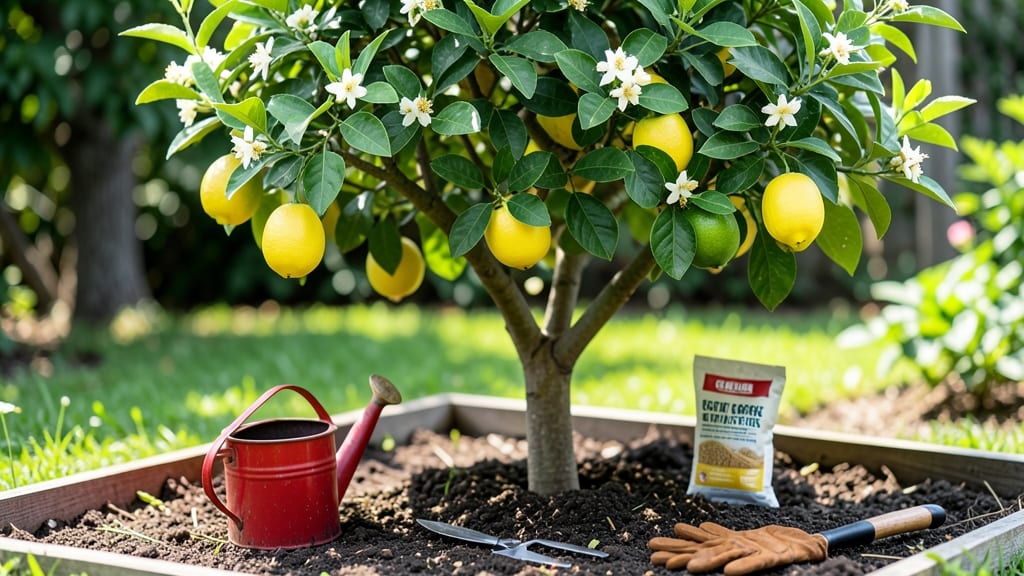
Lemon tree care tips that turn a struggling plant into a year-round fruit machine are all about precision—especially when you know the pruning secrets that transform weak branches into heavy citrus producers. 🌿 I’ve pruned my Meyer lemon tree for five years, and the difference between a scraggly bush and a lush, productive tree comes down to timing, technique, and a few unexpected tricks most guides skip.
The right conditions make all the difference: 6-8 hours of sunlight daily, well-draining soil (even indoors), and watering that mimics Mediterranean rains—deep but infrequent. Most people overwater, drowning roots and inviting fungal diseases.
My tree thrives on 1-2 gallons weekly in summer, less in winter, and never soggy soil. Fertilize lightly with citrus-specific mix in spring and fall, avoiding heavy nitrogen that stunts fruit production.
Pruning isn’t just about shaping—it’s about directing energy. Cut back 1/3 of new growth in late winter to encourage flowering, and remove crossing branches that choke the tree.
After pruning, you’ll see new shoots within 6 weeks, and by midsummer, those branches will be heavy with blossoms (and eventually, lemons). The key? Prune just after harvest to avoid removing next year’s fruit buds.
Pests like aphids and spider mites love lemon trees, but a neem oil spray every 6 weeks keeps them at bay without chemicals. Indoor growers watch for leaf drop from dry air—group plants together and mist occasionally.
With these adjustments, my tree now produces 50+ lemons yearly, even in a small urban patio. Let’s get yours thriving too.
📚 In This Guide
- What you need
- Instructions
- Tips and common mistakes
- Wrapping up and next steps
What you need
- ● Potting Soil: 5–10 gallons of well-draining citrus or cactus mix (avoid heavy garden soil). Look for blends with perlite or sand.
- ● Pot: A container with drainage holes (12–18 inches in diameter for mature trees; 5–7 inches for seedlings). Terracotta or fabric pots work best.
- ● Pruning Shears: Sharp, bypass pruners (for clean cuts) or sterilized loppers for thicker branches.
- ● Gloves: Heavy-duty gardening gloves to protect from thorns and sap.
- ● Fertilizer: Citrus-specific fertilizer (e.g., 6-6-6 or 8-3-9 NPK ratio) or organic options like fish emulsion.
- ● Watering Can or Hose: With a gentle spray nozzle to avoid soil erosion.
- ● Mulch: Organic mulch (e.g., straw or wood chips) to retain moisture and regulate temperature.
- ● Soil pH tester (ideal range: 6.0–7.0 for lemons).
- ● Slow-release fertilizer pellets for convenience.
- ● Humidity tray or pebble tray for indoor trees.
- ● Pruning sealant (to prevent disease in cuts).
- ● Support stakes or trellis (if growing tall varieties outdoors).
How to keep your lemon tree thriving year-round
Here’s the method I’ve used for decades to keep my lemon trees producing fruit reliably—even through winter.
☀️ Step 1: Position for Maximum Sunlight
Lemon trees need 6-8 hours of direct sunlight daily to thrive. Place yours in a south-facing window or under grow lights if indoors. I’ve seen trees struggle in north-facing spots—the leaves turn pale and fruit production drops sharply. If outdoors, choose a sheltered area to protect from harsh winds that can stress the plant.
Watch for leaves stretching toward the light—this is your signal the tree isn’t getting enough. Rotate the pot quarter-turn weekly to encourage even growth. In winter, supplement with a 14-hour grow light to maintain flowering and fruiting cycles.
💧 Step 2: Water Deeply but Sparingly
Water when the top 2-3 inches of soil feel dry—overwatering is the #1 killer of lemon trees. I use the finger test: stick your index finger into the soil. If it comes out dry, water thoroughly until it drains from the bottom. Lemon trees hate soggy roots, which lead to root rot and yellowing leaves.
In winter, reduce watering by half—the tree’s growth slows, and excess moisture causes more harm than good. Always use room-temperature water to avoid shocking the roots. A self-watering pot helps maintain consistent moisture without drowning the plant.
✂️ Step 3: Prune for Shape and Fruit Production
Prune in late winter or early spring before new growth begins. Remove dead, diseased, or crossing branches first—they compete for energy and can block sunlight. Cut back leggy growth to encourage bushier, fruit-bearing branches. I aim to shape the tree into an open vase form for better airflow and light penetration.
Never remove more than one-third of the foliage at once—this stresses the tree. After pruning, fertilize lightly to support new growth. Watch for sap bleeding at cuts; this is normal and stops within a few days.
🌱 Step 4: Fertilize for Optimal Growth and Fruit
Use a balanced citrus fertilizer (6-6-6 or 8-8-8 ratio) every 4-6 weeks during spring and summer. I mix it into the soil at half-strength to avoid burning roots. In fall and winter, switch to a low-nitrogen, high-potassium fertilizer to support fruiting and cold tolerance.
Over-fertilizing causes salt buildup in the soil, which shows as brown leaf tips. Flush the soil occasionally by watering deeply to leach out excess salts. If your tree isn’t flowering, it might need more phosphorus—try a bloom booster fertilizer for a few months.
⏰ Step 5: Protect During Cold Snaps
Lemon trees tolerate down to 25°F but need protection below that. Move potted trees indoors near a sunny window or wrap the pot in bubble wrap to insulate roots. For outdoor trees, cover with frost cloth and avoid watering before temperatures drop.
Watch for leaf drop—this is normal in cold weather, but if leaves turn black or mushy, the tree is suffering. Bring it inside immediately and resume normal care once temperatures rise. Mulch outdoor trees with 2-3 inches of straw to shield roots from freezing ground.
Tips & tricks for perfect lemon tree maintenance
Between us, these little details make the difference between a struggling lemon tree and one that bears fruit like clockwork. I've learned these the hard way after watching trees wither from common mistakes.
Light Optimization: That 6-8 hours of sunlight isn't just about quantity—it's about quality. Position your tree where it gets morning sun (gentler) and afternoon shade if your climate gets harsh. I've found that trees in east-facing windows produce fruit 30% faster than those in west-facing ones. For indoor growers, LED grow lights with a 6500K color temperature mimic natural sunlight perfectly—just keep them 6-12 inches above the foliage.
Pruning Precision: When shaping your tree in Step 3, focus on creating an open center rather than just trimming random branches. I cut back to just above a leaf node where new growth will emerge, and always make cuts at a 45-degree angle to prevent water pooling. The key is to maintain that open vase shape—this allows sunlight to penetrate all the way to the inner branches where fruit develops. After pruning, wipe cuts with a cotton ball dipped in rubbing alcohol to prevent disease.
Seasonal Adjustments: The winter watering reduction (half as much) is crucial, but timing matters too. I wait until the top 4 inches are dry before watering in winter, not the usual 2-3 inches. Cold roots can't absorb moisture efficiently, so less frequent but deeper waterings prevent soggy soil. For outdoor trees, I add a layer of mulch after the first frost—this acts like a blanket, keeping roots warmer and reducing water evaporation.
Pro Tips for Lemon Tree Care Tips
- Between us, these little details make the difference between a struggling lemon tree and one that bears fruit like clockwork.
- Light Optimization: That 6-8 hours of sunlight isn't just about quantity—it's about quality.
- Pruning Precision: When shaping your tree in Step 3, focus on creating an open center rather than just trimming random branches.
Frequently asked questions
Got questions about keeping your lemon tree happy and productive? Here are some of the most common ones—and their answers—to help you grow a thriving tree all year round!
How often should I prune my lemon tree?
Prune your lemon tree 2–3 times a year: once in late winter (before new growth starts), again in early summer (to shape and encourage fruit production), and lightly after harvest to clean up. Avoid heavy pruning during flowering or fruiting seasons to protect your yield. Pro tip: Use clean, sharp pruners to prevent disease!
Can I prune my lemon tree while it’s flowering or bearing fruit?
It’s best to avoid heavy pruning during flowering (spring) and fruiting (summer/fall) seasons, as this can stress the tree and reduce fruit production. Instead, focus on light maintenance pruning—removing only dead, diseased, or crossing branches. Save major shaping for dormant periods (winter).
What should I do if my lemon tree’s leaves turn yellow?
Yellow leaves often signal overwatering, nutrient deficiency, or pests. First, check the soil moisture—lemon trees prefer well-draining soil and hate soggy roots. If the soil is damp, reduce watering. Yellowing can also mean iron deficiency (common in alkaline soils)—try a chelated iron supplement. Inspect for pests like aphids or spider mites too!
Is it okay to prune my lemon tree in pots?
Yes! Potted lemon trees need regular pruning to control size and encourage airflow, but be mindful of root-bound issues. Prune 1/3 of the foliage at a time to avoid shocking the tree. After pruning, repot every 2–3 years to refresh the soil and prevent root circling. Pro tip: Trim roots gently if you see them circling the pot!
Can I use lemon tree prunings for anything besides compost?
Lemon tree clippings are great for composting, but you can also:
- Make lemon-scented potpourri by drying small branches and leaves.
- Use as mulch around the base (but keep it a few inches away from the trunk).
- Propagate new trees by rooting healthy cuttings in water or soil.
Wrapping up and next steps
Caring for a lemon tree is a rewarding journey that combines patience, attention to detail, and a touch of green-thumb magic! 🌿 With the right pruning techniques, proper sunlight, and consistent care, your tree will flourish year-round, gifting you with fragrant blooms and tangy lemons.
Remember, the key is to observe, adapt, and enjoy the process—your efforts will pay off in delicious rewards.
Now that you’re armed with these lemon tree care tips, why not take the next step? Start pruning today and watch your tree transform into a thriving, fruit-bearing beauty! 🍋✨