
Pruning
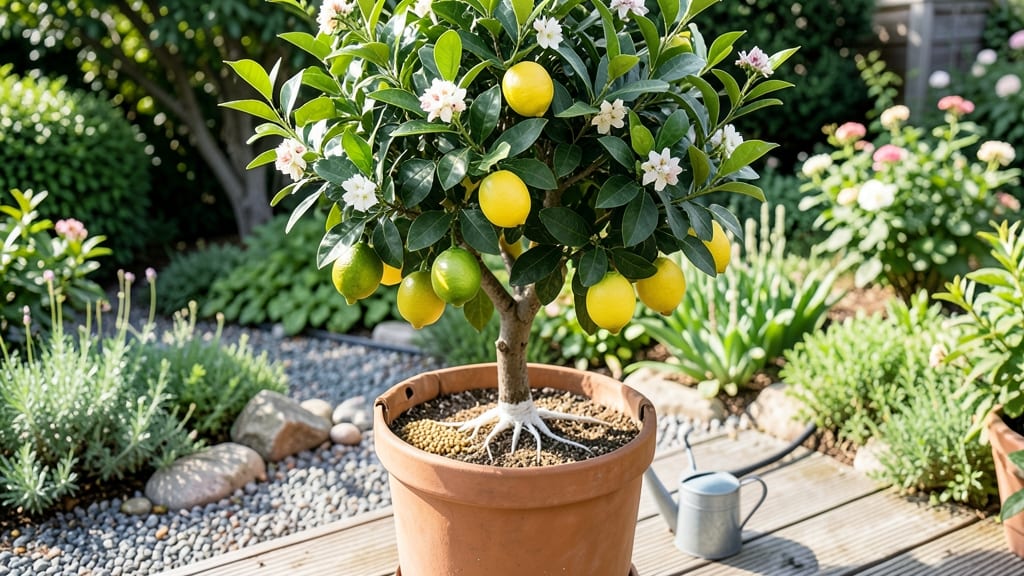
How to take care of a lemon tree in a pot turns your kitchen into a fragrant citrus grove. 🌱 The secret lies in mimicking its Mediterranean roots—bright light, occasional watering, and a little winter coziness. My first tree nearly died from overwatering, but once I learned the rhythm, it bloomed with white flowers and tiny lemons within a year.
You’ll need a pot with drainage, well-draining soil, and a sunny windowsill or grow light. Lemon trees thrive in 5-gallon containers at first, but they’ll outgrow them fast. Water only when the top inch of soil feels dry—overwatering is the #1 killer.
Fertilize lightly in spring and summer with citrus-specific food, and prune sparingly to encourage bushier growth.
By summer, you’ll see glossy new leaves and maybe even a few blossoms. The scent of lemon blossoms in spring is unbeatable, and harvesting your first fruit feels like a victory.
With the right balance, your potted lemon tree can live for decades, rewarding you with lemons, foliage, and that fresh citrus aroma year-round.
Winter care is key—keep it away from cold drafts and reduce watering. If your tree gets leggy, it’s time to repot or prune. The first year is the hardest, but once established, it’s almost impossible to kill. Here’s how to keep it thriving through every season.
📚 In This Guide
- What you need
- Instructions
- Tips and common mistakes
- Wrapping up and next steps
What you need
- ● Pot: A container with drainage holes (minimum 12–18 inches in diameter for dwarf varieties; 20+ inches for standard trees). Opt for terracotta or fabric pots for better airflow.
- ● Well-draining potting mix: A blend of 60% citrus-specific soil, 30% perlite or pumice, and 10% compost (avoid garden soil—it compacts!).
- ● Lemon tree: Choose between a seedling (slower but rewarding) or a young grafted tree (faster fruiting).
- ● Fertilizer: A balanced citrus fertilizer (e.g., 6-6-6 or 8-3-9 NPK ratio) or organic options like fish emulsion or citrus-specific granules.
- ● Pruning tools: Sharp bypass pruners (for clean cuts).
- ● Sterilized hand pruners (for smaller branches).
- ● Rubbing alcohol (to sterilize tools between cuts).
- ○ Support: A small stake or trellis (optional but helpful for young trees to prevent toppling).
- ● Mulch: Pine bark or straw (1–2 inches) to retain moisture and regulate soil temp.
- ● Drip irrigation system or watering can with a rose attachment (for gentle, even watering).
- ● Grow lights: A full-spectrum LED grow light (if indoor lighting is less than 6 hours/day).
- ● Epsom salt: Magnesium sulfate (1 tbsp/month in water) to prevent yellowing leaves.
- ● Insecticidal soap or neem oil (for pest control—lemon trees love aphids!).
Step-by-Step instructions for caring for a potted lemon tree
Here's the care routine I swear by—tested with my own thriving Meyer lemon tree.
☀️ Step 1: Position for Maximum Light Exposure
Lemon trees crave 6-8 hours of direct sunlight daily. Place your pot near a south-facing window or under a grow light if natural light is limited. I rotate my tree a quarter turn weekly so all sides get even exposure—you'll notice new growth leaning toward the light if it's not balanced.
If leaves start yellowing between the veins, that's your signal for more light. Move the tree closer to the window or supplement with a 14-hour photoperiod grow light. In winter, when days shorten, I extend light exposure with a simple LED bulb to keep my tree productive.
💧 Step 2: Water Deeply When Soil Dries Completely
Check moisture by sticking your finger 2 inches deep into the soil—if it feels dry, it's time to water. Lemon trees hate soggy roots, so I water thoroughly until water runs from the drainage holes, then let the pot sit for 10-15 minutes to drain completely. Empty the saucer afterward to prevent root rot.
In summer, I water every 5-7 days, but in winter, I cut back to every 10-14 days. Overwatering is the #1 killer of potted citrus—watch for yellow leaves and mushy stems, which mean you're drowning the roots. If this happens, stop watering entirely for a week to let the soil dry out completely.
🪴 Step 3: Fertilize Monthly During Growing Season
Use a balanced citrus fertilizer (6-6-6 or 8-3-9 ratio) every month from spring through fall. I mix the fertilizer with water and apply it directly to the soil, then water thoroughly to distribute nutrients. In winter, I skip fertilizing entirely—citrus trees go semi-dormant and don't need extra food when they're not actively growing.
You'll know your tree is happy when it produces bright green leaves and small white flowers. If leaves turn yellow with brown spots, that's a sign of over-fertilizing. Flush the soil with water to leach out excess salts, then reduce fertilizer by half for a month.
✂️ Step 4: Prune for Shape and Airflow
Prune in late winter or early spring before new growth begins. Remove any dead, diseased, or crossing branches first using clean, sharp pruners. Then shape the tree by cutting back 1/3 of the new growth to encourage bushier growth. I always make cuts just above a leaf node or outward-facing bud.
Never prune more than 25% of the tree at once—this stresses the plant and can reduce flowering. After pruning, wipe down the cuts with rubbing alcohol to prevent bacterial infections. You'll see new growth within 3-4 weeks if you've pruned at the right time.
🌿 Step 5: Monitor for Pests and Diseases
Inspect leaves weekly for signs of pests like aphids, scale, or spider mites. I treat infestations immediately with a strong spray of water to knock off soft-bodied pests, followed by neem oil if needed. For scale insects, I use a cotton swab dipped in rubbing alcohol to wipe them off stems and leaves.
Prevent fungal diseases by ensuring good airflow around the tree. If you notice white powdery spots on leaves, that's powdery mildew—treat it with a baking soda spray (1 teaspoon baking soda + 1 quart water + a drop of dish soap) and improve air circulation by pruning or moving the tree to a less humid spot.
Tips & tricks for perfect potted lemon tree care
Common mistakes can turn your citrus dream into a sad, yellowing plant—here's how to keep it thriving.
Light Exposure: The 6-8 hours of direct sunlight in Step 1 is non-negotiable. If your south-facing window doesn't get enough light, supplement with a grow light placed 12-18 inches above the tree. I've seen trees grow toward light sources—rotate weekly to prevent lopsided growth. In winter, extend light exposure to 14 hours using a simple LED bulb to maintain productivity.
Soil Moisture Test: When checking soil moisture in Step 2, press your finger 2 inches deep—this is the critical zone. If it feels damp, wait another day. I've ruined trees by overwatering, so always empty the saucer after watering to prevent root rot. In winter, let the top 3 inches dry completely before watering again.
Fertilizer Timing: The monthly fertilization in Step 3 should only happen during active growth (spring-fall). In winter, citrus trees rest—no fertilizer equals no salt buildup. If you notice brown leaf tips, flush the soil with water to remove excess salts before resuming regular feeding.
Pruning Secrets: When shaping your tree in Step 4, cut at a 45-degree angle just above a leaf node. This encourages new growth and prevents disease entry points. After pruning, spray cuts with diluted rubbing alcohol (1:1 with water) to create a protective barrier against infections.
Pro Tips for Take Care Of Lemon Tree In Pot
- Common mistakes can turn your citrus dream into a sad, yellowing plant—here's how to keep it thriving.
- Light Exposure: The 6-8 hours of direct sunlight in Step 1 is non-negotiable. If your south-facing window doesn't get...
- Soil Moisture Test: When checking soil moisture in Step 2, press your finger 2 inches deep—this is the critical zone....
Frequently asked questions
Got questions about keeping your potted lemon tree thriving? Here are some of the most common concerns—and their solutions!
How often should I repot my lemon tree?
Repot your lemon tree every 2–3 years or when roots start circling the pot. Spring is the best time—wait until new growth appears. Choose a pot just 1–2 inches wider than the current one to avoid overwhelming the roots. Pro tip: Use well-draining soil and add a layer of fresh compost for nutrients!
Why aren’t my lemon tree’s leaves turning yellow?
Yellow leaves usually mean overwatering or nutrient deficiency. Check the soil—if it’s soggy, let it dry out. If the yellowing is on older leaves, it’s normal aging. For new leaves turning yellow, feed with citrus fertilizer (every 4–6 weeks in growing season) or add Epsom salt (1 tbsp/gallon of water) for magnesium.
Can a potted lemon tree survive winter indoors?
Yes! Lemon trees thrive indoors in winter but need bright, indirect light (south-facing windows are ideal). Keep temps between 60–75°F and reduce watering—let the top 1–2 inches of soil dry out. Avoid drafts (like near AC vents) and humidity spikes (mist leaves occasionally or use a pebble tray).
How do I get my lemon tree to produce fruit?
Patience is key—most potted lemon trees take 3–5 years to bear fruit! Ensure it gets 6+ hours of sunlight daily, fertilize regularly (balanced citrus food), and prune lightly to encourage growth. If it flowers but drops them, it may need more sunlight or phosphorus (use a bloom booster fertilizer).
What pests should I watch for on my lemon tree?
Common pests include spider mites, aphids, and scale insects. Check the undersides of leaves for tiny webs, sticky residue, or white bumps. Treat early with neem oil (mix 1 tsp/quart of water) or insecticidal soap. For severe infestations, isolate the plant and repeat treatment every 5–7 days. Prevent pests by keeping leaves dust-free and avoiding overwatering!
What’s the best temperature range for a potted lemon tree?
Lemon trees love 65–85°F during the day and 55–65°F at night. They’re sensitive to cold drafts (below 50°F) and heatwaves (above 90°F). If temps drop, move the pot indoors near a sunny window. In summer, provide afternoon shade to prevent leaf burn. A thermometer near the plant helps monitor conditions!
Wrapping up and next steps
Caring for a lemon tree in a pot is a rewarding journey that brings fresh citrus joy right to your home! 🌱 With the right balance of sunlight, watering, pruning, and nutrition, your tree can thrive for years.
Remember, patience and consistency are key—your efforts will soon be rewarded with fragrant blooms and tangy lemons.
Now that you’re armed with all the tips, why not take the next step? Start by checking your lemon tree’s current needs—adjust its spot, trim any overgrowth, or even propagate a cutting to share with a fellow plant lover. Happy growing! 🍋✨