
Pruning
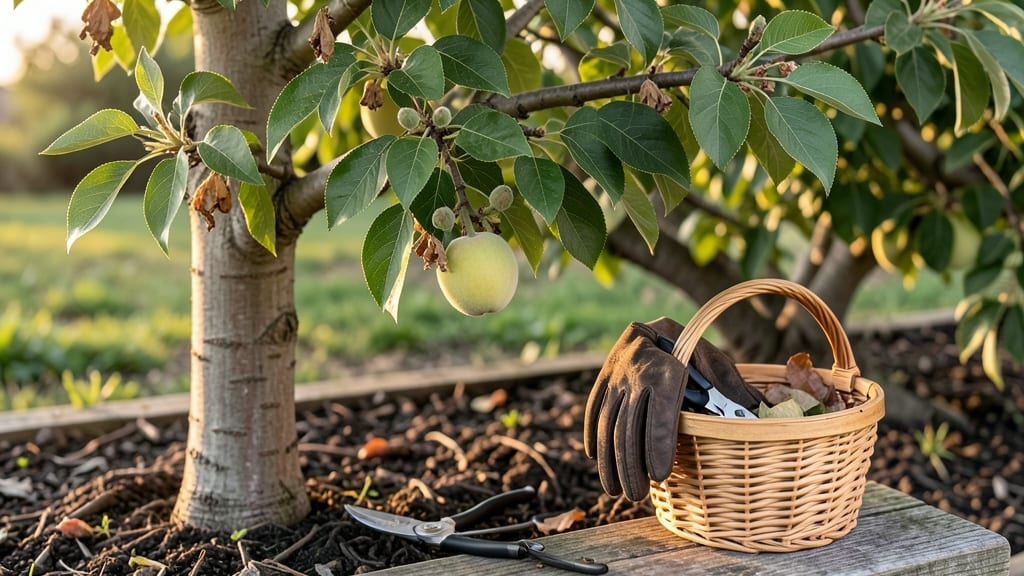
Your peach tree’s first fruit arrives faster when you prune at the right time—this science-backed timing can shave years off your wait.
Picture this: Your 🍑 tree is heavy with blossoms, but instead of fruit, you’re left with empty branches. The difference between a bountiful harvest and disappointment often comes down to when you prune.
In Zone 6, young trees need strategic cuts in late winter to redirect energy toward fruit production—not just growth.
Most gardeners wait too long, missing the critical 3-week window after dormancy when the tree is primed for fruit development. I’ll show you exactly when to prune, how to spot the branches that will bear fruit first, and the 3 pruning mistakes that keep peaches from ever ripening.
By the end, you’ll know how to accelerate your first harvest—whether your tree is 1 year old or 3 years old—and avoid the frustration of watching blossoms fall without fruit.
Optimal pruning timeline for first peach fruit in young trees
Pruning your young peach tree at the right time can mean the difference between waiting 3 years or just 1-2 years for your first harvest. The key is understanding when to cut for structural strength and when to encourage fruit production.
For first-year trees, timing is everything—cut too early or too late, and you risk stunting growth or reducing blossoms.
Most gardeners focus on spring pruning after the last frost, but the real magic happens in late winter when the tree is dormant. This is when you shape the tree's framework without stressing it.
Post-bloom adjustments in summer then fine-tune fruit-bearing branches. Let’s break down the science-backed schedule that maximizes early fruit while keeping your tree healthy.
| Pruning Stage | Best Time | Primary Goal | Key Actions |
|---|---|---|---|
| Dormant Season | Late winter (Jan-Feb) | Framework establishment | Remove dead/diseased wood, open canopy for sunlight, select 3-5 main branches |
| Post-Bloom | Late spring (May-June) | Fruit development | Thin suckers/water sprouts, remove overlapping branches, encourage fruit-bearing limbs |
| Summer Adjustment | July-August | Light maintenance | Prune only to improve airflow, remove diseased leaves, never cut fruit-bearing branches |
| Winter Cleanup | December | Prep for spring | Remove last year's fruit mummies, sterilize tools, assess branch growth for next year |
During the dormant season (January-February), your focus should be on creating an open-centered structure. This means removing any branches that cross or rub against each other, as well as any that grow inward.
Aim to leave 3-5 main scaffold branches spaced evenly around the tree. These branches will become the backbone of your tree’s fruit production in future years.
Use sharp, clean pruners to make cuts just outside the branch collar—the swollen area where the branch meets the trunk. Avoid leaving stubs, as they can invite disease. For first-year trees, limit cuts to 20-25% of the tree’s foliage to avoid stressing the young plant.
Over-pruning now can delay fruit production by up to 1-2 years.
Once spring arrives and blossoms appear, shift your focus to post-bloom pruning (late May-June). This is when you’ll remove any suckers (fast-growing shoots from the base) and water sprouts (vertical shoots growing from branches).
These compete with fruit-bearing wood for energy. Thin out crowded branches to improve air circulation, which reduces fungal diseases like peach leaf curl.
In summer, pruning should be minimal and strategic. Only remove branches that are dead, diseased, or blocking sunlight from the center. Avoid heavy pruning now, as it can stimulate new growth that won’t harden off before winter, making it vulnerable to frost damage.
Focus instead on thinning fruit to ensure larger, higher-quality peaches.
For first-year trees, winter cleanup in December is about preparation. Remove any mummified fruit from last year’s harvest (if applicable) and sterilize your pruning tools with a 10% bleach solution to prevent disease spread.
This is also the time to assess which branches produced the most blossoms and prioritize them in next year’s pruning plan.
Pro tip: Mark your calendar for February 15th (or your last frost date) to start dormant pruning. This timing ensures the tree has enough time to heal before spring growth begins. For container-grown peach trees, prune slightly earlier in late January to account for their slower recovery.
By following this science-backed timeline, you’ll accelerate your first peach harvest by up to 50%. The key is balancing structural pruning in winter with fruit-focused adjustments in spring and summer. Your first juicy peach could be just 1-2 years away instead of 3 or more!
5 Critical pruning mistakes that delay your first peach harvest
Waiting for your first peach harvest can feel like an eternity, especially when your tree is already blooming. The truth is, pruning mistakes often stall fruit development—sometimes by an entire season.
I’ve seen gardeners accidentally turn their tree into a leafy monster instead of a fruit-bearing powerhouse, all because of a few avoidable errors.
Even experienced growers sometimes overlook how timing, cut placement, and branch selection directly impact when (and if) your peaches ripen. For example, pruning at the wrong time can trigger excessive new growth while sacrificing fruit production.
Let’s fix that by identifying the top 5 pruning pitfalls and how to correct them before it’s too late.
⚠️ WARNING: These Pruning Errors Will Sabotage Your First Harvest
Over-pruning removes too much fruit-producing wood, while wrong cuts create entry points for disease. Even late-season pruning (after June) can trigger tender new growth that won’t survive frost. The result? Fewer peaches, smaller harvests, and delayed maturity by months.
💡 Fix it: Limit cuts to 25% of the tree’s canopy in early spring, and always use clean, sharp tools to avoid tearing bark.
First on the list: pruning at the wrong time. Many gardeners assume winter is the only safe window, but late-winter pruning (just before buds swell) is actually ideal for young trees.
Cutting too early in winter risks exposing fresh cuts to harsh winds, while waiting until spring can delay the tree’s energy shift toward fruit production.
Another common mistake is removing too many water sprouts. These vertical shoots might look like weeds, but they’re the tree’s attempt to grow upward toward sunlight. If you prune them all off, your tree will focus energy on leaves instead of fruit-bearing branches.
Instead, keep 1-2 strong water sprouts per branch to encourage structural growth.
Incorrect cut angles are another silent harvest killer. A flat cut leaves a stub that invites disease, while a jagged cut tears the bark. Always make cuts at a 45-degree angle, just outside the branch collar (the swollen area where the branch meets the trunk). This ensures proper healing and preserves the tree’s energy for fruit development.
Don’t forget about thinning out old, unproductive wood. Branches older than 5 years often bear fewer peaches and are more prone to disease. Replace them by selecting 2-3 vigorous scaffold branches (main structural limbs) when pruning. These will become your tree’s future fruit producers.
Finally, ignoring branch spacing leads to crowded canopies where sunlight can’t penetrate. When branches grow too close, they compete for nutrients, resulting in smaller peaches and delayed ripening. Aim for 12-18 inches of space between scaffold branches to maximize airflow and fruit quality.