
Flowers
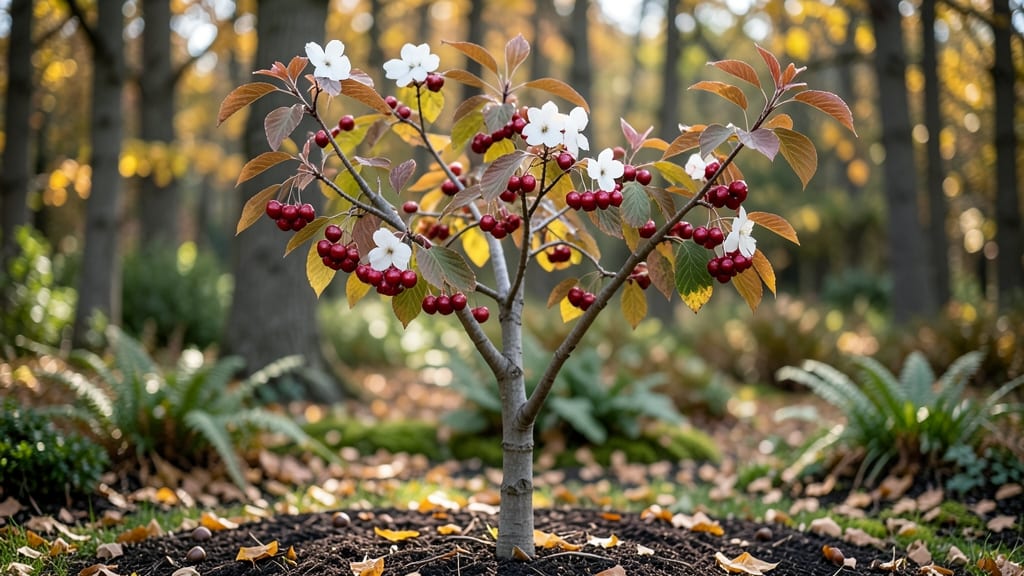
Trees with red berries and white flowers turn your garden into a living painting—year after year. 🌿 I’ve always loved how these trees create drama, especially when their bright berries stand out against winter’s bare branches.
The contrast is pure magic, and they work in any landscape, from formal gardens to wild woodland edges. These trees thrive in full sun to partial shade, making them versatile for different spots in your yard.
Their white blooms arrive in spring, followed by clusters of red berries that last through fall—sometimes even winter. Pair them with evergreens or perennials to extend the visual interest, and watch how they anchor your garden’s seasonal changes. The real payoff?
A tree that feels like a showstopper without needing constant attention. Their berries attract birds, adding movement to your scene, while their structure gives height and presence. Perfect for making a statement in any garden design. Think of them as the stars of your landscape—low-maintenance yet impossible to ignore.
Here’s how to choose and place them for maximum impact.
Behind the scenes of Nature’s bold display
Nature’s striking contrast of red berries and white flowers isn’t just a random act of beauty—it’s the result of carefully orchestrated botanical processes. Understanding why this happens reveals the fascinating interplay between pollination strategies, seasonal adaptations, and plant survival tactics. Let’s break down the science behind these vibrant displays.
---
White flowers aren’t just a pretty choice—they’re a pollinator magnet. Most white-blooming plants rely on insects, birds, or wind to spread their pollen, and their bright, reflective petals serve as a high-contrast beacon in the garden. Here’s why it works:
- UV Patterns: Many white flowers have hidden UV markings invisible to humans but visible to bees and butterflies, guiding them straight to the nectar. - Nighttime Visitors: Some white-flowering plants (like night-blooming jasmine) open their petals after dark to attract moths, which are drawn to pale, luminous hues under moonlight. - Contrast with Berries: The red berries that follow often serve as a secondary lure.
Birds and mammals are drawn to the bright berries, then inadvertently spread seeds as they eat them.
Pro Tip: 💡 If you’re growing a white-flowering shrub with red berries, plant it near a sunny patch—bright light enhances the contrast, making the display even more dramatic.
---
The red berries you see alongside white flowers are almost always the result of successful pollination and fertilization. Here’s how the timing plays out:
| Season | What’s Happening | Why It Matters | |------------------|------------------------------------------------------------------------------------|-----------------------------------------------------------------------------------| | Spring | Flowers bloom to attract pollinators (bees, birds, wind). | Early pollination ensures a head start on fruit development. | | Summer | Fertilized flowers develop into berries (often starting as green, then ripening red). | Sunlight and warmth trigger anthocyanin production, turning berries red for visibility. | | Fall/Winter | Berries remain bright red to attract seed-dispersing animals (like birds). | The stark contrast against white flowers (if they persist) makes them stand out. |
Fun Fact: 🌡️ Some plants, like winterberry holly, hold their red berries through the cold months—a survival tactic to ensure seeds are spread when few other food sources exist.
---
Not all red berries and white flowers are accidental—they’re often the result of millions of years of evolutionary pressure. Here’s how this combo helps plants thrive:
- Predator Deterrence: Bright red berries can warn animals that the fruit is toxic or unripe (e.g., bittersweet nightshade).
White flowers, meanwhile, signal "safe and sweet" to pollinators. - Seed Dispersal Guarantee: Birds and mammals prefer red berries over dull-colored ones, increasing the chances seeds will be spread far from the parent plant. - Year-Round Interest: While some plants drop leaves in winter, evergreen shrubs with red berries (like pyracantha or cotoneaster) provide visual interest year-round, making them a gardener’s dream.
Pro Tip: ✨ If you want long-lasting color, choose evergreen shrubs with red berries—they’ll keep the show going even when other plants fade.
--- Sometimes, gardeners and plant breeders play a role in creating these stunning contrasts.
Through selective breeding, hybrids have been developed to: - Extend bloom time (so white flowers last longer alongside berries). - Enhance berry brightness (deeper reds for better visibility). - Improve disease resistance (so the plant can focus energy on producing vibrant fruit).
Example: The ‘Winter King’ holly was bred specifically for its bold red berries and glossy evergreen leaves, making it a favorite in landscaped gardens.
--- Not every white-flowering plant will produce red berries—and that’s usually a sign of a pollination problem.
Common culprits include: - Lack of Pollinators: If bees or birds aren’t visiting, flowers won’t get fertilized. - Poor Timing: Some plants need specific weather conditions (like warm spring days) to set fruit. - Over-Pruning: Cutting back too aggressively can remove next year’s flower buds.
Fix It: 🐝 Plant pollinator-friendly flowers nearby (like lavender or coneflowers) to attract bees. If birds are the key, add a bird feeder to encourage visits!
--- Nature’s red berries and white flowers aren’t just a coincidence—they’re a perfectly balanced system designed for survival, beauty, and function. Now that you know the science, you can choose, grow, and enjoy these stunning plants with confidence!
Revive Your Striking Shrubs
Transforming your garden’s tree with red berries and white flowers back into a showstopper requires a mix of quick fixes and long-term care. Below, we’ll tackle common issues—like berry drop, flower fade, or pest invasions—and provide practical, step-by-step solutions to restore its glory.
Plus, we’ll share prevention tips to keep your plant thriving year-round.
---
Cause: Poor pollination, overwatering, or nutrient deficiencies. Fix: - Hand-pollinate 🐝: Gently shake branches or use a soft brush to transfer pollen between flowers. - Adjust watering 💧: Water deeply but less frequently—soggy roots = fewer berries. Aim for 1–1.5 inches per week. - Feed smart 🌱: Apply a balanced fertilizer (10-10-10) in early spring, then switch to a low-nitrogen, high-phosphorus formula (like 5-10-10) when flowers appear.
Prevention: ✨ Mulch well (2–3 inches of organic mulch) to retain moisture and block weeds that steal nutrients. ✨ Prune in late winter to improve airflow and sunlight exposure.
---
Cause: Stress from heat, drought, or fungal infections (like powdery mildew). Fix: - Shade relief 🌞: If blooms wilt fast, add dappled shade (e.g., a sheer curtain or nearby trees) during peak sun hours. - Fungal spray 🍄: Mix 1 tsp baking soda + 1 quart water + a drop of dish soap, then spray leaves weekly for powdery mildew. - Deep water at dawn 🌅: Encourages roots to absorb moisture before evaporation.
Prevention: 💡 Choose disease-resistant varieties (e.g., Pyracantha ‘Saphyr’ or Cotoneaster ‘Royal Purple’). 💡 Water at soil level (not overhead) to reduce fungal spores.
---
Cause: Aphids, spider mites, or scale insects sucking sap. Fix: - Neem oil spray 🌿: Mix 1 tbsp neem oil + 1 tsp mild soap + 1 quart water. Spray every 5–7 days until pests vanish. - Introduce predators 🐞: Ladybugs and lacewings love aphids—buy them online or attract them with dill or fennel plants. - Prune infested branches ⚔️: Bag and dispose of heavily damaged foliage to stop spread.
Prevention: 🔥 Inspect leaves weekly—catch pests early! 🔥 Avoid over-fertilizing with nitrogen (it attracts soft-bodied pests).
---
Cause: Sudden temperature swings (e.g., late frosts or scorching summers). Fix: - Frost protection ❄️: Cover young plants with frost cloth on cold nights (remove by 10 AM). - Heat relief 🔥: Install a shade cloth (30–50%) or use reflective mulch (white plastic) to reduce soil heat. - Mulch heavily 🍂: 4–6 inches of straw or wood chips insulates roots in both heat and cold.
Prevention: 🌡️ Plant in microclimates—e.g., near south-facing walls for winter sun or under deciduous trees for summer shade. 🌡️ Acclimate gradually—harden off container-grown plants before transplanting.
--- Keep your berry-and-bloom tree happy with this seasonal checklist:
| Season | Task | When | |-------------|-----------------------------------|------------------------| | Early Spring | Prune dead wood + fertilize | February–March | | Late Spring | Mulch + watch for pests | April–May | | Summer | Deep water + shade if needed | June–August | | Fall | Light prune + add winter mulch | September–October |
--- Pro Tip: 🎯 Take before/after photos—it’s amazing how small changes (like proper pruning or neem oil) can revive a struggling plant in just 30 days!
By addressing the root cause (literally!) and staying proactive, your red-berried, white-flowering tree will be the star of your garden for seasons to come. 🌟
Frequently asked questions
What are the most popular trees with red berries and white flowers for gardens?
Top choices include Pyracantha (firethorn) with its vibrant red berries and clusters of white blooms, Cotoneaster varieties like 'Royal Purple,' and Winterberry Holly (for female plants). These shrubs offer year-round interest and thrive in various climates.
Do these trees attract wildlife, and if so, which animals?
The white flowers draw bees and butterflies for pollination, while the red berries become a winter food source for birds like robins, cardinals, and waxwings. Some berries are even toxic to humans but perfect for wildlife—just avoid eating them yourself!
Can I grow these trees in containers, or do they need to be planted in the ground?
Many varieties like Pyracantha and Cotoneaster can thrive in large containers (at least 15-gallon pots) for 3-5 years before transplanting. Use well-draining soil and ensure the container gets adequate sunlight. Dwarf varieties work best for patio gardens.
Why aren't my white flowers producing red berries this year?
Common reasons include poor pollination (lack of bees/birds), overwatering (which stresses roots), or nutrient deficiencies. Try hand-pollinating with a soft brush or adding a phosphorus-rich fertilizer in spring. If the issue persists, check for pests or fungal issues.
Are there any toxic varieties I should avoid if I have pets or children?
Yes! Some Holly varieties (like Ilex verticillata) have toxic berries if ingested, while Pyracantha berries are also unsafe for pets. Opt for pet-friendly alternatives like non-toxic Cotoneaster varieties or Viburnum species. Always research before planting near play areas.