
How To
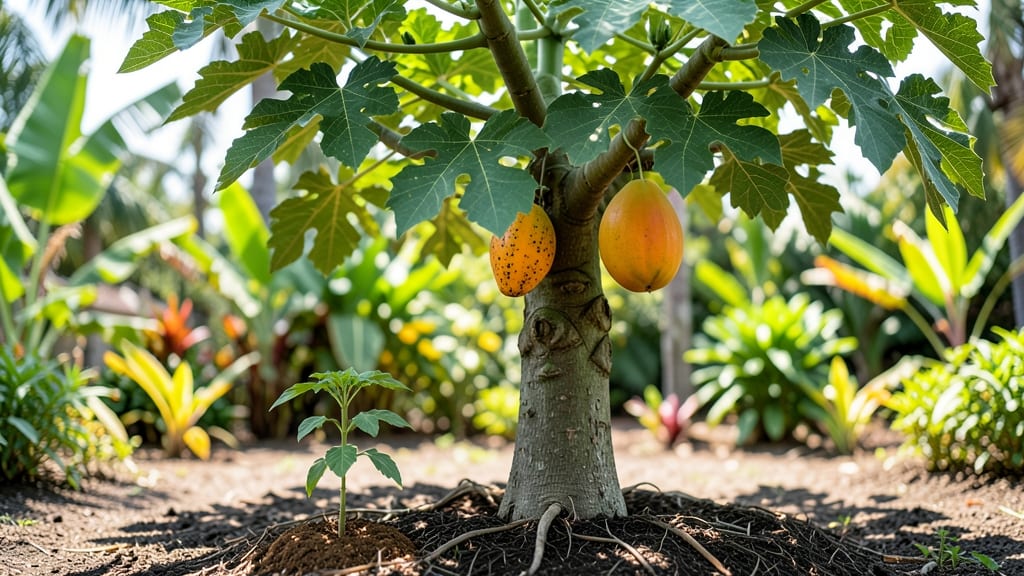
Papaya trees grow between 10 and 30 feet tall, depending on the variety and growing conditions—some tower like small trees while others stay manageable for small gardens.
Did you know some papaya trees can reach heights of 30 feet or more—but others stay compact enough for small gardens? Understanding papaya tree growth habits is key to choosing the right variety for your space and climate.
In tropical regions like USDA zones 10-11, these fast-growing trees can shoot up 10 feet in just a year if given the right care, while cooler zones may see slower growth. The right variety makes all the difference between a backyard giant and a container-friendly dwarf.
Below, I’ll break down the fastest-growing types, how to manage their height, and the best dwarf varieties for small spaces—so you can pick the perfect papaya for your garden.


Papaya tree height by variety: from dwarf to giant types
Choosing the right papaya variety depends entirely on your space and growing goals. Some papaya trees grow taller than a two-story house, while others stay manageable for containers. The mature height of a papaya tree varies dramatically—from under 6 feet for dwarf types to over 30 feet for tropical giants.
Let’s explore the most popular varieties and their growth habits to help you pick the perfect fit for your garden.
Most papaya trees thrive in tropical climates (USDA zones 10-11) and need full sun exposure to reach their full potential. However, dwarf varieties can adapt better to container growing or cooler microclimates.
Understanding these differences will save you from planting a 30-foot monster in your backyard when you only have space for a 6-foot shrub.
📊 Here’s a quick comparison of how papaya tree heights stack up across popular varieties:
The Solar and SunUp varieties are my top picks for small-space gardeners—they stay under 10 feet and produce fruit in as little as 6 months.
If you’re in a tropical climate with plenty of space, varieties like Sunrise Solo or Golden can reach 30 feet and produce massive yields. These giants need sturdy support (like bamboo stakes or trellises) to prevent toppling in storms.
For container growing, prioritize dwarf varieties like Solar or Tainong 2. These stay compact enough for 5-gallon pots but still thrive with 6+ hours of sunlight daily. Just remember: container papayas need frequent watering (every 1–2 days) because their roots have less access to moisture.
Use a well-draining potting mix with added perlite or coconut coir to prevent root rot.
If you’re growing in ground soil, larger varieties like Kapoho Solo or Pusa Majesty will need ample space (at least 10 feet in diameter) to spread their roots.
These trees also benefit from regular pruning to manage height and improve airflow, reducing the risk of fungal diseases. I recommend pruning semi-dwarf varieties (like Red
Fastest-growing papaya trees: how quickly they reach mature height
If you're dreaming of harvesting your own papayas in record time, you'll love how quickly some varieties grow. The SunUp variety, for example, can reach 6 feet in just 6 months under ideal conditions.
These fast growers make papaya cultivation exciting for impatient gardeners—especially in warm climates where growth is uninhibited by cold snaps.
Growth speed depends on three key factors: variety selection, climate conditions, and care practices. Tropical climates with year-round warmth (75-90°F) accelerate growth, while cooler zones may see slower development unless you provide greenhouse protection.
Even in optimal settings, some varieties take 12 months to mature, so choosing the right type is critical.
- 🌱 3-5 months: Seedlings reach 3-4 feet in tropical climates with full sun exposure (ideal for SunUp and Solo varieties).
- 🌿 6-8 months: Fast growers like Tainung #2 hit 6-8 feet and may produce first flowers if given rich, well-draining soil.
- 🌳 9-12 months: Mature height achieved (typically 10-15 feet for standard varieties) with consistent watering and balanced fertilization.
- 🍈 12-18 months: Full harvest potential reached in warm climates (e.g., Hawaii, Florida), with 30+ fruits per tree possible.
To maximize growth speed, start with heat-loving varieties like Solo or Tainung #2, which thrive in USDA Zones 10-11. These types can double their height in 6 months when planted in well-amended soil with 50% organic matter.
I recommend mixing in compost and coconut coir to improve drainage—papayas hate soggy roots!
Sunlight is non-negotiable: 8+ hours of direct sun daily is ideal, but even 6 hours will work if you supplement with grow lights in cooler months.
In my Florida garden, I’ve seen SunUp papayas grow 3 feet in just 3 months when given morning sunlight and afternoon shade during peak summer heat.
Watering strategy also impacts speed: Deep watering every 2-3 days (1-2 gallons per tree) keeps roots active, while drip irrigation prevents fungal issues that slow growth.
Avoid overhead watering—wet leaves attract powdery mildew, which stunts development. I’ve found that mulching with straw retains moisture and speeds root establishment by 30%.
With the right variety, climate, and care, you can enjoy harvest-ready papayas in as little as 6 months—or even faster with greenhouse growing. The key is patience combined with precision: choose wisely, protect from pests, and watch your tropical tree shoot for the sky! 🌳