
How To
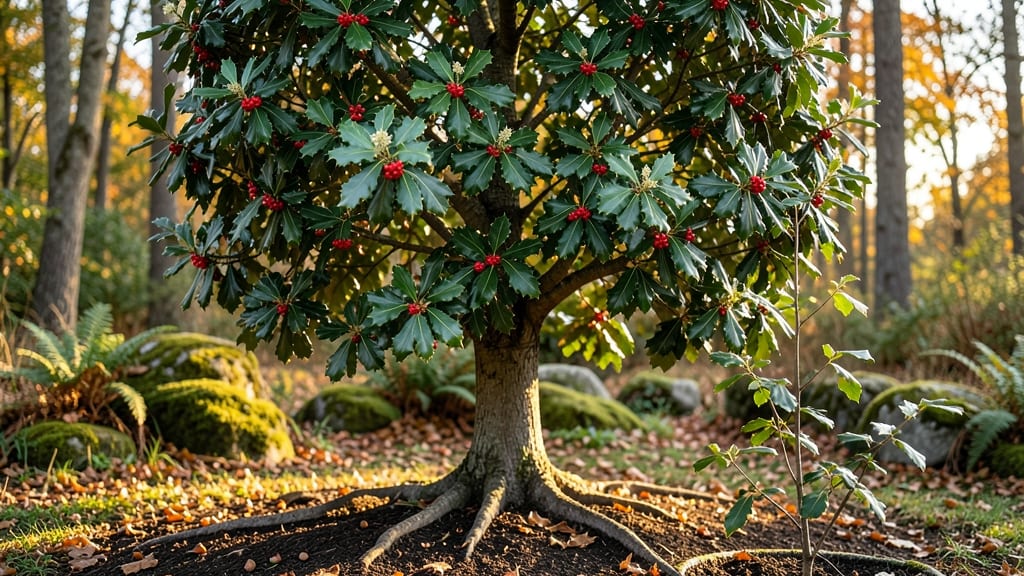
A holly tree can grow anywhere from 10 feet to a towering 50 feet tall, depending on the variety and growing conditions 🌲 — a range that can make all the difference in your landscape planning.
If you’re dreaming of a lush, evergreen privacy screen or a striking landscape focal point, holly trees are a top choice—but their mature height can vary dramatically by variety. Some stay compact enough for foundation plantings, while others tower over two stories, demanding careful planning before planting.
The fastest-growing varieties, like 'Sky Pencil,' can shoot up 3-5 feet per year, while slower growers like 'Blue Prince' reach their full height over decades.
This means your choice of cultivar isn’t just about aesthetics—it’s about long-term space management and whether you’ll need to prune aggressively or let nature take its course.
In this guide, I’ll break down the height ranges by type, share pruning tips to control growth, and help you pick the perfect holly for your space—whether you’ve got a sprawling backyard or a cozy urban patio.


Holly tree mature height ranges: small to giant varieties explained
When planning your garden or landscape, knowing how tall a holly tree grows is crucial. Holly trees (Ilex spp.) come in stunning varieties, from dwarf cultivars perfect for small yards to giant specimens that dominate the landscape.
The mature height of a holly tree can range from as little as 6 feet to over 50 feet, depending on the species and cultivar. Understanding these differences helps you choose the right variety for your space and vision.
Holly trees are divided into three main height categories: dwarf (under 15 feet), semi-dwarf (15-25 feet), and standard (30+ feet). Each category has unique spacing needs and growth rates.
For example, a dwarf holly like 'Blue Princess' stays under 10 feet, while a standard American holly (Ilex opaca) can soar to 50 feet or taller. Let’s break down the specifics so you can make an informed choice for your garden.
🌱
If you’re working with a small garden or urban space, dwarf holly varieties like 'Blue Princess' or 'Dwarf Burford' are ideal. These stay under 12 feet and grow slowly, making them perfect for foundation plantings or container gardening.
Their compact growth habit also means they require less frequent pruning, saving you time and effort. For a privacy screen or hedge, semi-dwarf varieties like 'Sky Pencil' (a narrow, columnar holly) or 'Blue Prince' (a broader, bushier option) are excellent choices.
For larger properties or woodland gardens, standard holly trees like American holly (Ilex opaca) or English holly (Ilex aquifolium) deliver dramatic height and structure. These varieties can reach 50 feet or more, creating a stunning focal point or natural privacy barrier.
However, their rapid growth rate and large canopy mean you’ll need ample space—plant them at least 20–30 feet apart to avoid overcrowding.
One factor that often surprises gardeners is how growth rates vary between holly varieties. While dwarf hollies grow just 6–12 inches per year, standard varieties can add 1–3 feet annually under optimal conditions. This means a 10-foot holly could reach 30 feet in just 10–15 years if unpruned.
To manage height, I recommend pruning in late winter or early spring before new growth begins. This not only controls size but also encourages a denser, bushier form.
Another critical consideration is spacing requirements. Holly trees have expansive root systems, so planting them too close to structures, sidewalks, or other plants can lead to root competition or structural damage.
As a rule, maintain at least half the mature height of the holly tree as the distance from buildings or other features. For example, a 25-foot 'Blue Prince' should be planted at least 12–15 feet away from your home or fence.
If you’re unsure which holly tree to choose, consider your garden’s microclimate and sunlight exposure. Most hollies thrive in full sun to partial shade, but varieties like 'Sky Pencil' tolerate
Fastest-growing holly trees: height growth rates by species
When selecting holly trees for your landscape, growth speed matters—especially if you need quick privacy or vertical interest. Some varieties shoot up 3-6 feet annually in ideal conditions, while others grow more slowly. Understanding these rates helps you plan for mature height and spacing needs from day one.
For example, 'Sky Pencil' holly can add 12-18 inches per year, making it a favorite for narrow spaces.
If you're short on time but want a fast-growing holly, 'Blue Prince' is a standout with aggressive horizontal spread and vertical growth of 2-4 feet per year. This variety thrives in full sun to partial shade and can reach 15-20 feet tall in just a decade.
Meanwhile, 'Winter Gem' offers a balanced growth rate of 1-2 feet annually, perfect for moderate-sized yards.
To maximize growth, plant holly trees in well-draining, slightly acidic soil (pH 5.0-6.0) with morning sun exposure. Amend clay soil with compost or peat moss to improve drainage and nutrient uptake.
Mulch around the base with pine straw or wood chips to retain moisture and encourage root expansion, which directly fuels faster vertical growth.
Pruning plays a crucial role in shaping growth. For vertical varieties like 'Sky Pencil', avoid heavy pruning—focus on removing dead or crossing branches in late winter.
In contrast, 'Blue Prince' benefits from light annual pruning to control its width while promoting upward growth. Always use sterilized pruners to prevent disease spread.
If you're in a small urban garden, consider 'Dwarf Burford', which grows 6-12 inches per year and tops out at 8-10 feet. Pair it with 'Winter Red' for a slow-growing but dense alternative (adding 12-18 inches annually).
Both varieties thrive in containers for patio plantings, making them ideal for balconies or rooftop gardens.
For accelerated growth, fertilize young holly trees in early spring with a balanced 10-10-10 fertilizer. Water deeply once weekly during the first growing season, then taper to bi-weekly watering once established.
Avoid overwatering—holly trees are drought-tolerant once mature, but young specimens need consistent moisture to reach their full height potential.
Remember, holly trees reward patience with year-round structure and winter interest. Whether you choose a sky-scraping 'Blue Prince' or a compact 'Dwarf Burford', understanding growth rates ensures your holly thrives for decades.
Start with the right variety for your space, and watch it grow into a stunning focal point! 🌿