
How To
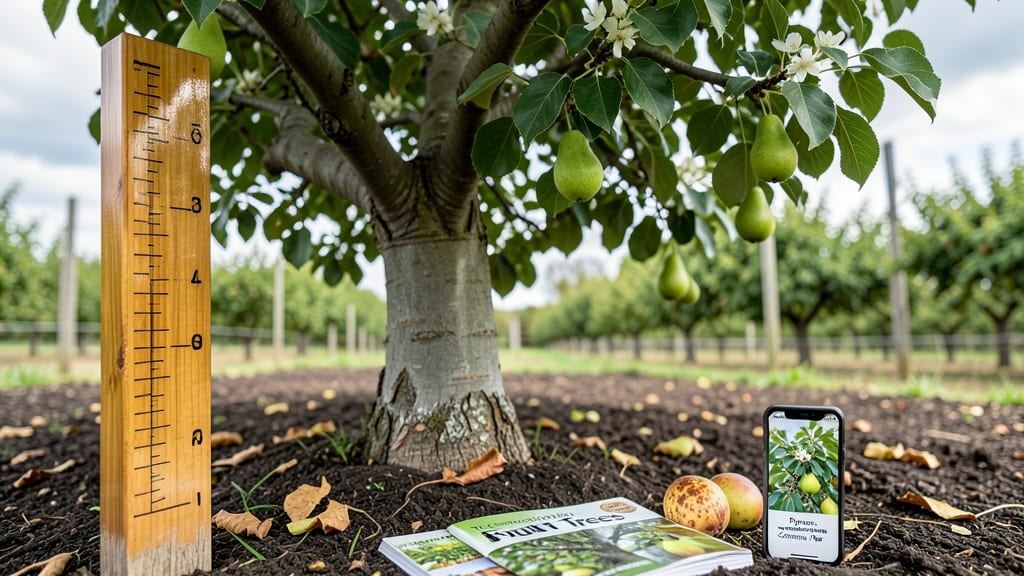
Wondering how tall a pear tree can grow? Its height can range from a manageable 8 feet to a towering 50 feet, depending on the variety and care you give it.
If you’re working with limited space, dwarf varieties stay under 12 feet and thrive in containers or small yards. But standard pear trees can easily reach the height of a two-story house, making them better suited for larger properties.
In this guide, I’ll break down the height ranges by variety, share pruning tips to control growth, and help you pick the perfect pear tree for your space—whether you want a backyard fruit tree or a statement piece in your garden.


Pear tree height by variety: dwarf to standard to giant sizes
Choosing the right pear tree variety is all about balancing your space and fruit production goals. A standard pear tree can reach towering heights of 30-50 feet, while dwarf varieties stay compact at just 8-12 feet.
The difference comes down to rootstock selection, which controls both height and vigor. Whether you have a sprawling backyard or a cozy urban patio, there's a pear tree size perfect for your needs.
Understanding these height ranges helps you plan spacing, pruning, and even fruit harvesting strategies. For example, a semi-dwarf pear tree at 12-20 feet offers manageable height with excellent fruit yields, making it ideal for suburban gardens.
Meanwhile, giant varieties (rare but possible) can exceed 50 feet in ideal conditions. Let's explore the key categories and their unique characteristics.
Rootstock is the secret weapon behind pear tree heights. Dwarfing rootstock like Old Home x Farmingdale (OHxF) keeps trees small, while standard rootstock like Seedling allows unrestricted growth. Even soil conditions and climate zones play roles—pear trees in USDA Zone 6 may grow faster than those in cooler regions. Always check your local nursery for region-specific recommendations.
Dwarf pear trees are the superstars of small-space gardening. Varieties like 'Hooded Delight' or 'Moonglow' top out at 8-12 feet, making them perfect for containers or urban yards. These trees produce full-sized fruit despite their compact stature, thanks to advanced rootstock technology. Just ensure they get at least 6 hours of sunlight daily for optimal growth and fruiting.
For suburban gardens, semi-dwarf varieties strike the perfect balance. Trees like 'Kieffer' or 'Seckel' reach 12-20 feet at maturity, offering manageable height with high fruit production.
These trees need 10-12 feet of clearance on all sides to prevent branch interference. Their spreading canopies also provide excellent shade for patio areas.
If you dream of a classic backyard orchard, standard pear trees deliver the dramatic look. Varieties like 'Bartlett' or 'Anjou' can soar to 30-50 feet, creating a stunning focal point.
These giants require 20-25 feet of space and benefit from regular pruning to maintain structural integrity. Just be prepared for fruit harvesting challenges—you'll need a sturdy ladder!
Giant pear trees are rare but possible, especially in optimal growing conditions like USDA Zone 7+. These trees can exceed 50 feet and require professional care, including crown thinning and disease monitoring.
Unless you have a large estate or orchard space, standard varieties will likely suffice. Always consider local climate impact—cooler zones may stunt even standard trees.
No matter your pear tree's height, soil preparation is key to healthy growth. Amend your planting site with compost and organic matter to improve drainage, as pear trees hate soggy roots.
For dwarf varieties, use large containers with drainage holes if growing in pots. Mulch around the base to retain moisture and regulate soil temperature, especially during summer heatwaves.
Remember, pruning plays a huge role in managing height. Even dwarf trees benefit from annual pruning to remove dead wood and suckers. For standard trees, summer pruning encourages bushier growth, while winter pruning shapes the tree's structure. Always use sterilized tools
How to control pear tree height: pruning and training techniques
Managing the height of your pear tree isn't just about aesthetics—it's about optimizing fruit production, ease of harvest, and garden space. Whether you're working with a dwarf variety or a standard-sized tree, strategic pruning and training can keep growth in check while maintaining a healthy, productive tree.
The key lies in understanding when and how to prune, along with advanced techniques like espalier for compact growth.
First, recognize that pear trees grow differently based on their rootstock. Dwarf varieties like Bartlett on Quince C rootstock stay under 10 feet, while standard trees can reach 30-50 feet without intervention.
Your goal is to shape the tree while encouraging strong branches that support fruit weight. Start by removing suckers and water sprouts—these compete with the main structure for nutrients.
Step-by-Step Pruning & Training Guide
- 🌱 Step 1: Prune in Late Winter
Remove dead, diseased, or crossing branches. Use clean, sharp pruners to make cuts at a 45-degree angle just above a bud. - 🪴 Step 2: Thin Out Crowded Branches
Select 3-5 main branches spaced evenly around the trunk. Remove competing vertical shoots to open the canopy for sunlight. - ✂️ Step 3: Head Back Overgrown Branches
Cut back long, leggy branches by 1/3 to 1/2 their length to encourage bushier growth. Focus on branches growing inward. - 🌿 Step 4: Train with Espalier (Optional)
For compact growth, spread branches horizontally along a fence or trellis. Tie with soft tree ties and prune tips to encourage lateral growth. - ☀️ Step 5: Maintain Shape Year-Round
Light pruning after harvest removes fruit spurs and keeps the tree balanced. Avoid heavy pruning in late summer to prevent sucker growth.
For dwarf varieties, focus on light pruning to maintain their natural compact shape. These trees often produce fruit on spurs along the branches, so avoid heavy cutting that removes these fruiting sites.
If your tree is too tall for your space, consider topping the central leader—cut the main trunk just above a strong lateral branch to redirect growth horizontally.
Advanced gardeners can use espalier techniques to grow pear trees along walls or fences, reducing their footprint by up to 70%. This method involves training branches into flat panels or fans, which also improves air circulation and fruit quality.
Start espalier when the tree is young—branches are more flexible and respond better to training. Use a flexible wire trellis and prune tips to encourage branching in the desired direction.
Remember, timing is critical. Prune dormant trees in late winter (before buds swell) to minimize disease risk and promote vigorous spring growth. Avoid heavy pruning in fall, as new growth won’t harden off before winter.
For container-grown pears, prune more aggressively to control root-bound stress and maintain a manageable height.
With consistent pruning and training, you can keep your pear tree at your desired height—whether that’s a 6-foot espalier or a 12-foot dwarf. The key is patience and regular maintenance.
Start small, observe how your tree responds, and adjust your approach each year for the perfect balance of size, shape, and productivity.