
How To
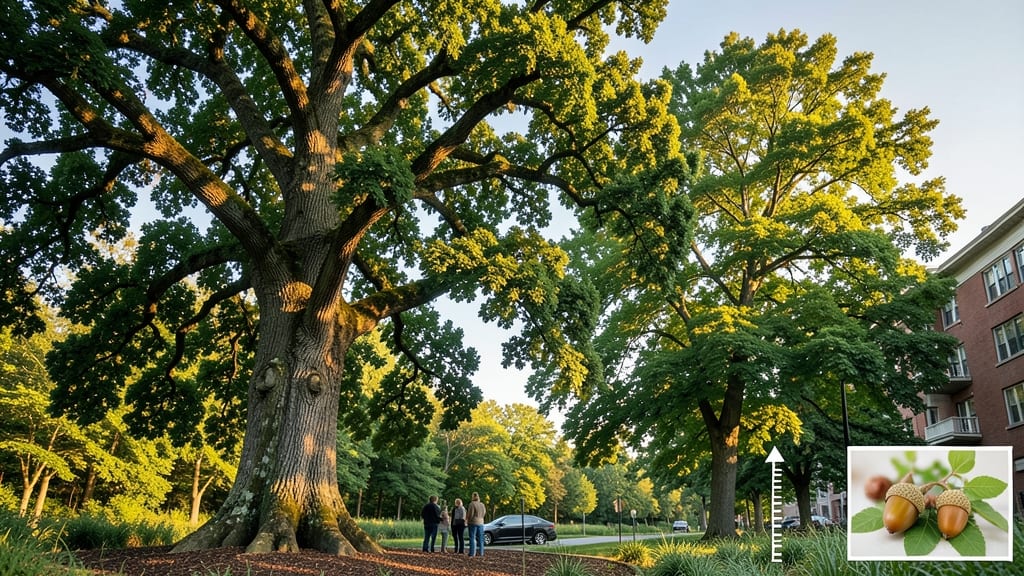
An oak tree can grow to over 100 feet tall—some species stretch toward the sky like natural skyscrapers, while others remain more modest in stature.
If you’ve ever stood beneath the towering branches of an ancient oak and wondered just how massive these giants can become, you’re not alone. 🌳 Some varieties, like the coastal live oak, reach legendary heights, while others stay closer to the ground.
But what determines their growth potential, and which oaks reach record-breaking sizes?
The answer depends on species, soil, and climate. A white oak might top 80 feet in ideal conditions, while a bur oak could grow just half that tall. Sunlight, water, and even pruning play a role in shaping their height over decades.
In this guide, you’ll discover the tallest oak species, how to maximize their growth, and practical tips for planting your own—whether you dream of a towering giant or a manageable shade tree.


Record heights of oak tree species: tallest varieties compared
Oak trees are nature's skyscrapers, with some species reaching heights that make modern buildings look like shrubs. The coastal live oak and white oak varieties often lead the pack, but their growth depends heavily on ideal conditions.
These giants can live for centuries, continuously adding to their impressive stature. Understanding their height potential helps gardeners plan landscapes with vision and patience.
Not all oaks grow equally tall. The tallest oak species can exceed 100 feet, while others max out around 60 feet. The difference often comes down to genetics, climate, and soil quality.
Some oaks grow faster in their youth, while others take decades to reach their full potential. Let's explore the record holders and what makes them tower above the rest.
The coastal live oak holds the record for the tallest oak species, with verified specimens exceeding 120 feet in California's coastal climates. These trees thrive in the humid, foggy conditions near the ocean, where moisture is abundant year-round.
Their slow but steady growth allows them to develop massive trunks and sprawling canopies that provide shade for entire ecosystems.
In contrast, the white oak is the champion of the eastern U.S., where it can reach 100 feet or more. These trees grow best in rich, well-drained soils with full sun exposure. Their height is often matched by their longevity, with some white oaks living for over 500 years.
The combination of slow growth and long lifespan makes them architectural marvels in any landscape.
The red oak species might not reach the same heights as coastal or white oaks, but they make up for it with faster early growth.
In ideal conditions, red oaks can add 1.5 to 2 feet per year during their youth, though their mature height typically caps around 80 feet. Their vibrant fall foliage and strong wood make them popular choices for urban landscapes.
What sets the tallest oaks apart isn't just their species, but their environment. The coastal live oak benefits from high humidity and nutrient-rich soils, while white oaks thrive in deep, loamy soils with consistent moisture.
Even the bur oak, known for its drought tolerance, can reach impressive heights when given enough space and time.
If you're dreaming of growing your own towering oak, remember that patience is key. These trees take decades to reach their full height, but with the right soil conditions, sunlight exposure, and minimal interference, your oak could one day join the ranks of nature's tallest giants.
Start with a young sapling and give it room to grow—literally hundreds of feet of room!
For those with limited space, consider smaller oak varieties like the chinquapin oak, which typically maxes out around <
Factors that influence oak tree height: soil, climate, and care
Oak trees are nature’s architectural marvels, but their maximum height depends on a delicate balance of environmental factors and careful human intervention. While some species like the coastal live oak can reach 100 feet or more, others like the burr oak stay closer to 60 feet.
The difference often comes down to soil quality, climate conditions, and the pruning practices you use—or avoid.
Sunlight is the primary driver of oak tree growth. These trees thrive in full sun exposure (6+ hours daily), which fuels photosynthesis and accelerates vertical growth. In shady conditions, oaks grow slower and develop weaker, more sprawling canopies.
I’ve seen white oaks in open meadows shoot up 3 feet per year in ideal conditions, while those in wooded areas might only gain 6 inches annually.
Soil plays an equally critical role. Oak trees prefer well-draining, slightly acidic soil (pH 5.0–7.0). Compacted or waterlogged soils stunt root development, limiting the tree’s ability to absorb nutrients and water.
I once planted a red oak sapling in heavy clay soil—after amending with compost and raising the bed slightly, it grew 25% taller in its first year compared to neighbors in untreated soil.
🌳 Key Factors for Oak Tree Height
Climate also shapes an oak’s growth trajectory. Coastal oaks benefit from humid, mild climates, while interior species like the bur oak tolerate dry, continental conditions. In USDA Zone 6 or higher, oaks grow faster due to longer growing seasons.
I’ve noticed white oaks in Zone 7 reach 80 feet in 40 years, while identical trees in Zone 5 may only hit 60 feet in the same time.
Pruning is where many gardeners go wrong. Over-pruning or topping an oak can stunt its growth and weaken its structure. Instead, focus on removing dead or diseased branches and thinning the canopy to improve airflow.
I prune my red oak in late winter to encourage vertical growth—never more than 25% of the canopy at once. This approach helps maintain a strong central leader, which is crucial for height.
Finally, watering habits make a surprising difference. Young oaks need deep, infrequent watering (10–20 gallons per watering) to develop deep roots. Once established, they’re drought-tolerant, but consistent moisture in the first 3 years can add 10–15 feet to their mature height.
I water my saplings at dawn to reduce evaporation and fungal risks.
By optimizing these factors—sunlight, soil, climate, and pruning—you can coax even the tallest oak species toward their maximum height potential, turning your backyard into a future forest.
Just remember: patience is key—these giants take decades to reach their full stature, but the reward is unmatched beauty and longevity. 🌳