
How To
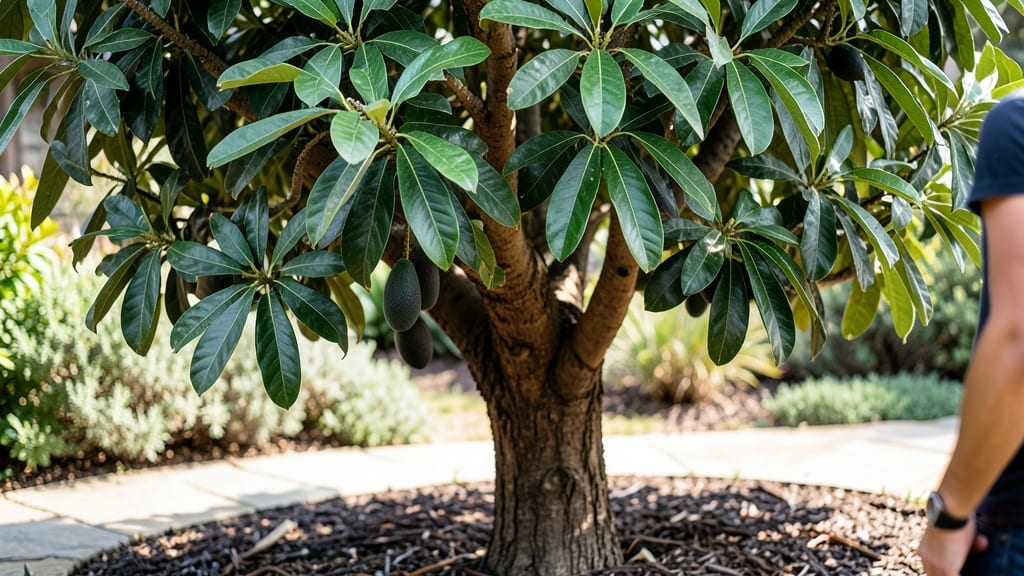
An avocado tree can grow anywhere from 20 to 80 feet tall—taller than your house—depending on the variety, growing conditions, and how you care for it.
Dreaming of growing your own avocados but worried your backyard—or even balcony—isn’t big enough? The height of an avocado tree can vary dramatically, making it possible to enjoy these tropical delights even in small spaces with the right approach.
Some varieties, like the popular Hass, can reach 60 to 80 feet if left unchecked, while dwarf types like 'Wurtz' stay under 15 feet. Pruning, container growing, and choosing the right variety are the keys to keeping your 🥑 tree manageable without sacrificing fruit production.
In this guide, I’ll break down how tall different avocado trees grow, how to control their height with pruning, and which space-saving varieties work best for small gardens—so you can enjoy homegrown avocados no matter your outdoor space.


Avocado tree height by variety: from towering giants to compact dwarfs
If you're dreaming of growing avocados but lack space, don't worry—avocado tree height varies wildly by variety. Some tower over 80 feet, while others stay neatly under 10 feet.
The right choice can turn your balcony or patio into a fruit-bearing paradise. Let's explore the mature height ranges of popular varieties and how to pick the perfect fit for your space.
Standard avocado trees like Hass and Fuerte can reach 30-80 feet in ideal conditions, making them better suited for large properties. However, dwarf varieties like 'Wurtz' or 'Little Cado' top out at just 8-15 feet, perfect for containers or small gardens.
Understanding these differences helps you plan for both fruit production and space constraints.
Growth rates also play a role. Most avocado trees grow 1-2 feet per year in their early years, with faster growth in warm climates. By year three, you might see 6-10 feet of height, so spacing and pruning become critical early on.
Let’s break down the height expectations for your top choices.
| Variety | Mature Height (ft) | Growth Rate (yr 1-3) | Best For |
|---|---|---|---|
| Hass | 30-80 ft | 1-2 ft/year | Large yards, commercial orchards |
| Fuerte | 25-50 ft | 1.5-3 ft/year | Backyards, warm climates |
| Reed | 40-60 ft | 2-3 ft/year | Large properties, tropical regions |
| Bacon | 20-40 ft | 1-2 ft/year | Urban gardens, containers (with pruning) |
| Wurtz (Dwarf) | 8-12 ft | 0.5-1 ft/year | Balconies, patios, containers |
| Little Cado (Dwarf) | 10-15 ft | 0.8-1.5 ft/year | Small gardens, urban spaces |
For small gardens, dwarf varieties like 'Wurtz' or 'Little Cado' are game-changers. These trees stay under 15 feet and thrive in 15-gallon containers, making them ideal for patios or balconies.
Even standard varieties can be pruned to stay smaller, but they’ll need more frequent maintenance. Always check your USDA hardiness zone—most avocados prefer zones 9-11.
If you're growing in containers, choose a variety like 'Bacon', which tolerates pruning well. Use a well-draining potting mix and repot every 2-3 years to accommodate root growth.
Remember, container-grown trees may produce smaller fruit but are perfect for urban gardeners. Always place them in full sun for best results.
Spacing is another key factor. Standard trees need 20-30 feet of space, while dwarf varieties can thrive in 5-10 feet of clearance. In tight spaces, consider espalier training to grow trees against walls or fences, saving horizontal space while maintaining height control.
This method works well for 'Hass' or 'Fuerte' varieties if pruned regularly.
Pruning isn’t just for aesthetics—it’s essential for fruit production and tree health. Remove suckers (shoots at the base) and dead branches annually. For dwarf trees, prune lightly in late winter to encourage bushier growth.
Avoid heavy pruning in summer, as it can stress the tree during flowering and fruiting.
Climate also affects height. Avocados grow fastest in tropical or Mediterranean climates with warm winters. In cooler zones, growth slows, and trees may stay smaller.
If you're in USDA zone 8 or below, opt for dwarf varieties or grow your tree in a container you can move indoors during winter.
Ready to pick your perfect avocado? Start with a dwarf variety if space is limited, or choose a standard tree if you have room to prune and maintain it. With the right variety and care, you’ll be enjoying homegrown avocados in no time—no matter the size of your garden! 🥑🌱
How to control avocado tree height: pruning tips for small gardens
If your avocado tree is outgrowing its space, don’t despair—strategic pruning can keep it manageable while maintaining fruit production. Avocado trees naturally grow 20-80 feet tall, but with the right techniques, you can shape them into a compact, bushy form perfect for small gardens or containers.
The key is timing, technique, and consistency.
Pruning isn’t just about cutting branches—it’s about encouraging growth in the right places. By removing overlapping branches and heading back (cutting just above a leaf node), you’ll stimulate lateral branching, creating a fuller, more manageable tree.
This method also improves air circulation, reducing the risk of fungal diseases like root rot. Start young for best results, but even mature trees respond well.
When to prune is almost as important as how. The best time is late winter or early spring, just before new growth begins. Avoid pruning in fall or winter in colder climates, as it can stress the tree. For container-grown avocados, you can prune lightly throughout the growing season to maintain size, but avoid heavy cuts during flowering or fruiting periods.
🌱 Avocado Tree Pruning Checklist for Beginners
- ✂️ Tools Needed: Sharp bypass pruners, sterilized saw, gloves
- 📅 Best Time: Late winter/early spring (before buds swell)
- 🎯 Prune: Remove dead/diseased branches first
- 🌿 Thin Out: Cut 1/3 of oldest branches to encourage new growth
- 🌱 Head Back: Trim new growth to leaf node for bushier shape
- 💧 Aftercare: Water deeply and fertilize with balanced NPK (6-6-6)
💡 Pro Tip: Sterilize tools with rubbing alcohol to prevent bacterial spread.
For small gardens, aim to keep your avocado tree between 6-10 feet tall. Focus on thinning cuts—removing entire branches at their base—to open the canopy and let light reach the center.
Avoid shearing (cutting randomly), as it creates weak, dense growth. Instead, target specific branches: remove water sprouts (vertical shoots) and crossing branches that rub together.
Encouraging bushier growth is easier than you think. After pruning, your tree will send out new shoots from the cut points. Choose the 3-5 strongest shoots to train as the new framework, and prune back the rest.
This creates a multi-trunk structure, which is more stable and productive. Over time, your tree will develop a rounded, manageable shape while still producing abundant fruit.
Remember, patience is key. Avocado trees respond slowly to pruning, so don’t expect dramatic changes overnight. With regular maintenance, your tree will stay within bounds while rewarding you with homegrown avocados for years to come. Happy pruning! 🌿