
Light Requirements
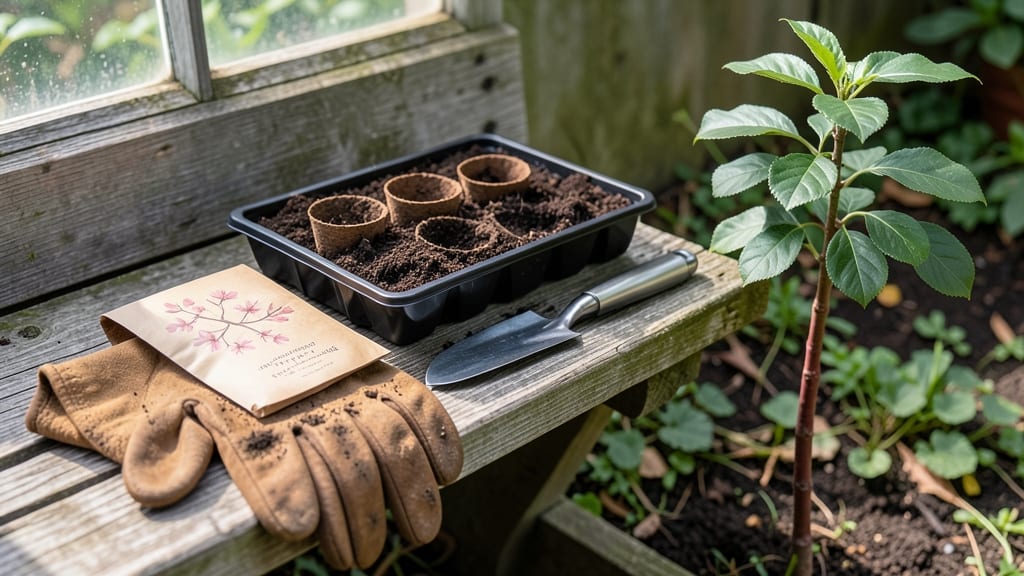
Buying tree seeds costs can range dramatically—starting as low as $1 for large wildflower seed packs, but climbing to $50 or more for slow-growing or rare species like oak or avocado trees. Native and heirloom varieties command higher prices than common ornamental types, while specialty growers often charge premiums for organic or genetically enhanced seeds.
Pricing depends heavily on the tree's growth characteristics and demand. 🌳 Fast-growing species like willow or poplar stay affordable because they're easy to source, while prized varieties such as black walnut or pecan cost more due to their long maturation times.
Even within common trees, organic certification or disease-resistant strains can double the price. I've found that buying in bulk during seasonal sales—especially from reputable online retailers—cuts costs significantly without sacrificing quality.
Another smart strategy is tapping into community seed exchanges or local conservation programs, where native species seeds are often donated or sold at cost. These sources also provide seeds adapted to your region's climate, which can save money on future plant replacements.
For fruit-bearing trees, consider starting with grafted saplings instead of seeds—they produce faster, though the initial investment is higher.
💡 In This Article
- Factors Affecting Tree Seed Pricing by Species
- Best Budget-Friendly Sources for Affordable Tree Seeds
Factors affecting tree seed pricing by species
The price of tree seeds hinges on biological and market factors that create dramatic cost disparities. For instance, fast-growing species like willow trees or hybrid poplars cost just $0.50-$2 per packet because they produce abundant seeds and mature quickly.
In contrast, slow-growing trees like white oak or avocado can cost $30-$50 per packet due to their 10-20 year maturation cycles and lower seed yields. The science behind this lies in seed viability and germination rates—fast growers have higher survival rates, making them more economical to produce.
Rarity plays a crucial role too. Endangered or protected species like coast redwood seeds command premium prices ($40-$100+) because they require specialized collection methods and conservation compliance.
Even common fruit trees show price variations: apple seeds from heirloom varieties cost $5-$15, while certified organic or disease-resistant strains can reach $25-$40. The processing method matters—raw, unprocessed seeds cost 30-50% less than cleaned, stratified seeds that guarantee higher germination rates.
Seed source creates another pricing tier. Wild-collected seeds from native species often cost $3-$10 but may have lower viability. Nursery-grown seeds undergo quality control testing and often include germination guarantees, pushing prices to $10-$30.
For example, black walnut seeds from wild sources cost $8-$12, while nursery-certified ones reach $25-$40. The extra cost covers sterilization and disease resistance screening—critical for trees that'll live 50-100+ years.
Climate adaptation adds another layer. Seeds from drought-resistant species like mesquite or juniper cost 20-30% more than non-adapted varieties because they require specialized growing conditions. For instance, a packet of desert willow seeds costs $6-$10, while a standard willow seed pack costs $1-$3.
The difference? Desert varieties undergo additional stress testing to ensure survival in 100°F+ temperatures with minimal water.
Consider these price benchmarks for popular categories:
- Fast-growing ornamentals: $0.50-$5 (e.g., weeping willow, silver maple)
- Fruit-bearing trees: $5-$25 (e.g., apple, pear, peach)
- Slow-growing hardwoods: $15-$50 (e.g., oak, walnut, mahogany)
- Specialty/niche trees: $30-$100+ (e.g., bonsai, rare tropical species)
What most gardeners overlook is how seed age affects pricing. Fresh seeds cost more due to higher germination rates (often 70-90% success), while older seeds (1+ year) sell for 50% less but may only germinate at 30-50%.
For example, a 2023 harvest of red maple seeds costs $8, while a 2021 harvest costs just $4. The trade-off? Waiting for sales or bulk discounts.