
How To
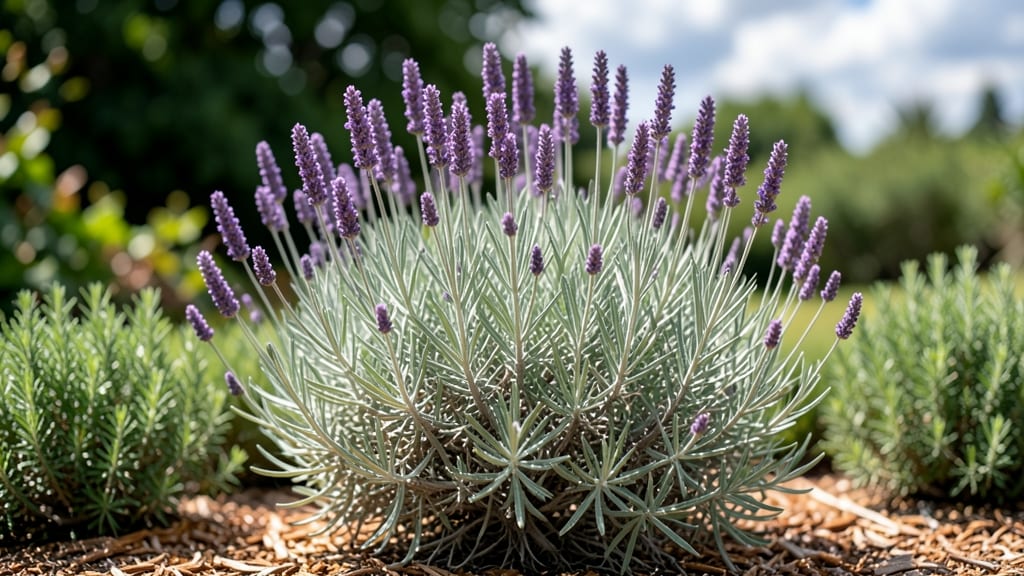
How tall does a lavender tree grow? It typically reaches between 6 and 10 feet at maturity, making it a striking focal point in any garden—though its height depends entirely on the variety and how you prune it.
If you’re dreaming of a fragrant lavender tree but unsure whether it’ll tower over your patio or stay neatly contained, you’re not alone. Lavender height can vary wildly depending on the variety and care, so choosing the right type for your space is key.
For example, English lavender typically stays on the shorter side, while Spanish lavender can reach 10 feet or more. With the right pruning techniques, you can control its growth to fit your garden’s layout perfectly.
In this guide, I’ll break down the differences between dwarf and standard varieties, share spacing tips, and explain how sunlight and soil affect height—so you can grow the ideal lavender tree for your space.


Lavender tree height guide: dwarf vs standard varieties explained
When planning your garden, knowing how tall does a lavender tree grow is crucial for spacing and design. Lavender is often mistaken for a tree, but it's actually a woody shrub that can be trained to look like one.
The height varies dramatically between dwarf varieties and standard types, with some reaching 10 feet tall while others stay under 3 feet. Understanding these differences helps you choose the perfect lavender for your space, whether it's a container garden or a privacy hedge.
Most lavender varieties fall into two main height categories: compact or dwarf types (1-3 feet) and standard shrubs (6-10 feet). The key difference lies in their genetic growth habits and how they respond to pruning.
For example, English lavender like 'Hidcote' typically stays under 3 feet, while Spanish lavender like 'Grosso' can soar to 8 feet. Your choice depends on your garden's layout and whether you prefer a low-maintenance border plant or a tall, fragrant focal point.
Visualizing lavender heights helps with garden planning. Imagine a 3-foot lavender bush as the height of a standard kitchen counter, while a 6-foot lavender tree would reach the top of a doorknob. This comparison makes it easier to picture how lavender will fit into your landscape. For example, a dwarf variety works beautifully in window boxes or as a container plant on patios, while taller varieties create stunning privacy screens or backyard borders.
Here’s a quick comparison of popular lavender varieties and their mature heights to help you visualize their potential in your garden:
If you're working with limited garden space, dwarf varieties like 'Hidcote' or 'Munstead' are ideal. These compact lavenders thrive in containers or small gardens and require minimal pruning.
On the other hand, if you're designing a large landscape or need a privacy screen, taller varieties like 'Grosso' or 'Lavandin' will give you the height and fragrance you desire. Just remember, taller lavenders need more space between plants—typically 3–5 feet apart—to allow for their full spread.
For container gardening, choose dwarf or semi-dwarf varieties to avoid overcrowding. A 5-gallon pot is perfect for a single 2-foot lavender bush, while larger containers can accommodate 3-foot varieties.
When planting in the ground, dig a hole twice as wide as the root ball to encourage healthy root growth. This extra space helps prevent root competition and ensures your lavender has room to establish itself properly.
One common mistake is assuming all lavender will grow to the same height. In reality, pruning habits can significantly alter a plant's growth pattern.
For example, hard pruning in early spring can keep a 6-foot lavender at a manageable 3–4 feet, while minimal pruning allows it to reach its full potential. If you're unsure about pruning, start with a dwarf variety—they’re naturally low-maintenance and perfect for beginners.
Another factor to consider is your climate zone. Lavender thrives in USDA zones 5–9, but taller varieties may need extra winter protection in colder regions.
For example, in Zone 5, a 6-foot lavender might need mulching or wrapping to survive harsh winters, while dwarf varieties are more resilient. Always check your local hardiness zone before selecting a lavender variety to ensure it will thrive in your area.
How to control lavender tree growth for compact or tall forms
Want to shape your lavender tree into a compact, bushy shrub or let it grow tall for a dramatic focal point? The key lies in understanding how pruning techniques, soil conditions, and sunlight exposure influence its growth habit.
Lavender naturally grows as a woody shrub, but with the right care, you can guide its height from 3 feet to over 10 feet. Start by choosing the right variety—some, like Lavandula angustifolia, stay naturally shorter, while others like Lavandula x intermedia reach towering heights.
For a compact lavender tree, focus on regular pruning after flowering to encourage bushier growth. Trim back one-third of the new growth in late summer or early fall, always using clean, sharp shears to avoid damaging the woody stems.
This method keeps your lavender at a manageable 3-5 feet height while maintaining its fragrant beauty. In contrast, if you prefer a tall lavender tree, minimize pruning and allow the plant to grow freely, providing it with full sun exposure and well-draining soil to support its natural height.
Most lavender trees reach their mature height of 6-10 feet within 3-5 years when grown in optimal conditions. However, with aggressive pruning and container gardening, you can keep them as short as 2-3 feet—perfect for small gardens or patio pots!
Soil plays a crucial role in controlling lavender growth. Plant your lavender in well-draining soil with a slightly alkaline pH (7.0-8.0) to prevent root rot and encourage healthy growth. Amend heavy clay soil with sand or gravel to improve drainage, as lavender hates soggy roots.
In container gardening, use a mix of potting soil and perlite to maintain the right moisture balance. Avoid fertilizing heavily, as lavender thrives in lean, nutrient-poor soil—too much fertilizer can lead to leggy, weak growth.
Sunlight is another critical factor. Lavender requires at least 6-8 hours of full sun daily to grow vigorously. If you're aiming for a taller lavender tree, ensure it gets direct sunlight all day, especially in cooler climates (USDA Zones 5-7).
In hotter regions (Zones 8-10), provide afternoon shade to prevent stress. For compact growth, you can still place your lavender in full sun but prune more frequently to control height. Just remember: less sun = slower growth, so adjust your expectations accordingly.
Seasonal care also impacts lavender height. In spring, apply a light fertilizer (5-10-10) to encourage new growth, but avoid overdoing it. During summer, reduce watering to once every 10-14 days and prune lightly to shape the plant.
In fall, cut back any dead or woody stems to promote a fresh flush of growth in spring. In winter, lavender enters dormancy—avoid pruning or fertilizing until new growth appears in early spring.
For a taller lavender tree, let it grow naturally and prune only to remove dead branches or shape the canopy. If you notice leggy growth, trim the tips of the longest stems to encourage branching.
For a compact lavender tree, prune aggressively after flowering to maintain a rounded shape. With time, you’ll develop a feel for how your lavender responds to your care—adjust your techniques as needed to achieve your desired height.
Whether you prefer a bushy border plant or a towering garden statement, lavender’s versatility makes it a rewarding plant to grow.