
Pruning
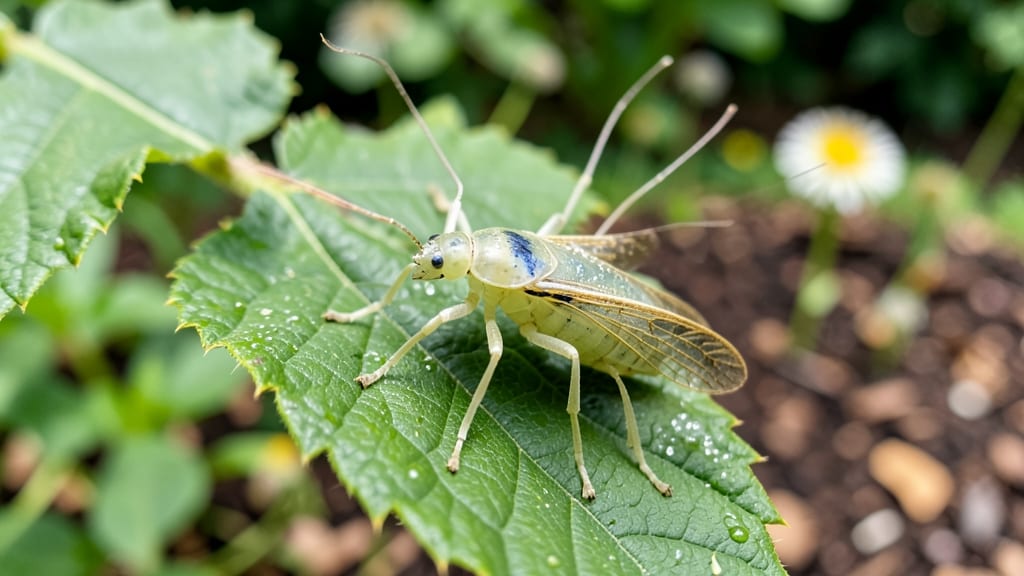
Your hackberry tree insects are turning its leaves into lace—those telltale signs of leaf miners. 🌿 I’ve battled these pests head-on, and the good news is you can stop them without harsh chemicals.
The key is acting fast, using the right natural sprays, and keeping your tree healthy enough to fight back. Leaf miners tunnel through leaves, creating winding trails that weaken the tree. You’ll spot them as tiny white larvae or serpentine trails between leaf veins.
The damage isn’t just ugly—it stresses the tree, making it vulnerable to other pests. But with the right approach, you can turn the tide in just a few weeks.
I’ve found that a mix of neem oil, kaolin clay, and beneficial nematodes works best when applied at the right time. Timing is everything—treat in early spring before larvae hatch, and again after heavy rains wash away sprays. The results?
Fewer tunnels, stronger leaves, and a tree that looks like it’s fighting back. This method works for hackberry nipple gall makers and spider mites too. The secret is consistency—don’t just treat once. Keep your tree thriving, and the pests will have nowhere to hide.
Root Causes Of Hackberry Pests
Understanding why hackberry trees attract so many insects—especially leaf miners—starts with their natural biology and the environment they thrive in. These trees are magnets for pests due to a mix of chemical signals, ecological niches, and seasonal triggers.
Let’s break down the key reasons why these insects target your hackberry trees.
Hackberry trees (Celtis spp.) produce high-sugar, protein-rich foliage and sap, making them an all-you-can-eat buffet for insects.
Leaf miners, aphids, and scale insects are particularly drawn to: - Tender new growth – Young leaves are softer and packed with nutrients, ideal for egg-laying and feeding. - Sticky sap – The tree’s sap contains sugary exudates that attract sap-sucking insects like aphids and mealybugs. - Fruits (berries) – While not always present, hackberry fruits can harbor fruit flies and borers, which then spread to the leaves.
💡 Pro Tip: If your tree is over-fertilized with nitrogen, it produces even more lush, insect-attracting growth. A balanced fertilizer (with less N) can reduce this effect.
Leaf miners—such as hackberry leaf miners (Phyllocnistis spp.)—specifically target hackberry trees because:
- Thin, delicate leaves – Their larvae burrow between the upper and lower leaf surfaces, where they’re protected and have easy access to nutrients.
- Slow leaf drop – Hackberry trees retain leaves longer than many others, giving miners extended feeding time.
- Chemical cues – Some research suggests hackberry leaves emit volatile organic compounds (VOCs) that signal to miners: "Fresh meal here!"
🔍 Fun Fact: These miners don’t just eat leaves—they alter leaf chemistry as they feed, making the tree even more susceptible to secondary pests.
Stressed or weakened hackberry trees are prime targets for insects because:
- Weakened defenses – Drought, compacted soil, or root damage reduce the tree’s ability to produce resin or toxins that repel pests.
- Sunburn or frost damage – Damaged leaves become entry points for borers and miners.
- Fungal or bacterial infections – Pests like scale insects thrive in trees already compromised by disease.
🌡️ Warning Sign: If your tree has yellowing leaves, stunted growth, or oozing sap, it’s already a pest magnet—act fast with proper watering and pruning to restore health.
Insect outbreaks often spike due to weather patterns and seasonal changes:
- Warm, humid springs – Ideal for leaf miner eggs to hatch and larvae to thrive.
- Drought stress – When soil is dry, trees can’t produce defensive compounds, making them easier prey.
- Mild winters – Fewer freezes mean surviving adult pests can reproduce more in the next season.
📅 Timing Matters: Leaf miners typically peak in late spring to early summer—this is when you’ll see the most damage if left unchecked.
When hackberry trees grow too close together:
- Shared pests – Insects jump from tree to tree via wind or birds.
- Reduced airflow – Moisture lingers, creating ideal breeding conditions for fungi and insects.
- Root competition – Weakened roots mean less energy for pest resistance.
🔪 Solution: Prune to open the canopy and improve airflow—this alone can cut pest populations by 30-50%.
While hackberry trees have natural predators (like parasitic wasps and ladybugs), sometimes the balance tips:
- Pesticide overuse – Killing beneficial insects removes the checks and balances on pest populations.
- Monoculture landscapes – Planting only hackberry trees (or similar species) starves out predator diversity.
- Urban environments – Fewer wild predators mean more unchecked pest explosions.
✨ Eco-Friendly Fix: Plant companion plants like dill, yarrow, or marigolds to attract predator insects naturally.
Hackberry trees aren’t bad—they’re just high-value targets in the insect world. The good news? Most infestations are preventable with smart pruning, soil care, and early intervention. The next section will cover how to disrupt these cycles naturally before pests take over.
Practical fixes for hackberry tree pests
When hackberry trees become a buffet for unwanted insects—especially leaf miners, aphids, or spider mites—acting quickly can save your tree from lasting damage. Below are targeted solutions tailored to common culprits, along with preventive strategies to keep pests at bay for good.
Leaf miners leave telltale serpentine trails in leaves, weakening the tree’s ability to photosynthesize. Here’s how to tackle them:
🍳 Step 1: Prune Infested Branches
- Remove heavily damaged leaves and branches (up to 20% of the tree if necessary).
- Dispose of clippings in sealed bags—don’t compost them, as pupae can survive.
- Focus on new growth where miners often start.
👨🍳 Step 2: Apply Organic Sprays
Use these DIY or store-bought options for a chemical-free approach: - Neem oil spray (1 tsp neem oil + 1 tsp mild soap + 1 quart water).
Spray early morning or late evening to avoid harming bees. - Kaolin clay (Surround WP) – Creates a protective barrier that deters miners. Reapply after rain. - Insecticidal soap – Effective for young larvae but must be reapplied every 5–7 days.
⏰ Step 3: Introduce Beneficial Insects
- Parasitic wasps (like Diglyphus isaea) lay eggs inside leaf miner larvae. Purchase from garden centers or online.
- Ladybugs – Release them in the evening when they’re most active.
💡 Pro Tip: Water the tree deeply before spraying to help solutions adhere better to leaves.
These sap-suckers cluster on new shoots, causing sticky residue (aphids) or webbing (mites). Combat them with these multi-pronged tactics:
🔪 Step 1: Blast Off Pests with Water
- Hose down infested areas with a strong stream of water (early morning works best).
- Repeat every 3–4 days until populations decline.
🌡️ Step 2: Use Sticky Traps & Reflective Mulch
- Yellow sticky traps – Hang near the tree to catch flying aphids.
- Reflective aluminum mulch – Place around the base to disorient mites (they hate shiny surfaces!).
🎯 Step 3: Strengthen the Tree’s Defenses
- Fertilize with compost or balanced organic fertilizer (10-10-10) to boost vigor.
- Encourage natural predators like lacewings or predatory mites (Phytoseiulus persimilis) by planting companion flowers (e.g., marigolds, yarrow).
✨ Pro Tip: Aphids love tender new growth—prune back soft tips in early spring to reduce their favorite snack spots.
The best defense is a healthy, resilient tree. Implement these low-effort habits to minimize future outbreaks:
| Prevention Method | How to Do It | Best Time to Act |
|---|---|---|
| Regular pruning | Remove dead/diseased branches in late winter or early spring. | Feb–March |
| Mulch properly | Apply 2–4 inches of organic mulch (wood chips, straw) but keep it 6 inches away from the trunk. | Spring or fall |
| Monitor early | Inspect leaves weekly (especially undersides) for eggs or early damage. | April–October |
| Avoid overwatering | Water deeply but infrequently (1 inch per week). Wet leaves attract pests. | Year-round (adjust for rain) |
| Plant companion species | Add garlic, chives, or basil near the tree—their scents repel many insects. | Spring or fall |
💡 Final Reminder: Patience is key! Some solutions (like beneficial insects) take 2–3 weeks to show results. Stay consistent, and your hackberry will bounce back stronger.
Frequently asked questions
What are the most common insects that attack hackberry trees?
The most troublesome insects include hackberry leaf miners (creating serpentine trails in leaves), aphids (leaving sticky residue), and scale insects (forming bumpy growths on branches). Spider mites and borers also appear in severe cases.
How do I know if my hackberry tree has leaf miners?
Look for white, serpentine trails between leaf veins—this is the larvae feeding inside the leaf. You may also spot tiny white pupae on the undersides of leaves. Heavy infestations cause leaves to brown and drop prematurely.
Can I use chemical pesticides on my hackberry tree?
While chemical pesticides like carbaryl or imidacloprid can work, they harm beneficial insects and may not be sustainable. Organic options like neem oil or kaolin clay are safer and often just as effective when applied consistently. Always check labels for proper dilution and timing.
When is the best time to treat hackberry tree pests?
Start treatments in early spring (before larvae hatch) and repeat after heavy rains. For leaf miners, focus on late spring to early summer when they’re most active. Apply sprays in the early morning or evening to protect bees.
Will pruning alone stop hackberry tree insects?
Pruning helps by removing infested branches and improving airflow, but it’s not a standalone solution. Combine it with organic sprays and beneficial insects for best results. Focus on dead or heavily damaged wood first—this reduces pest populations by up to 50%.