
Pruning
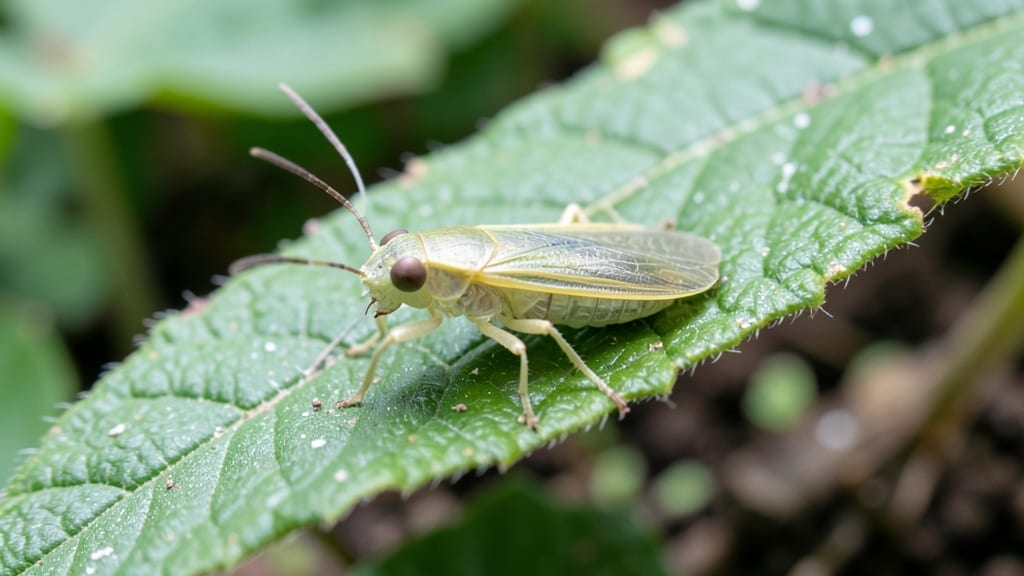
Elderberry trees face relentless attacks from elderberry tree bugs—aphids, beetles, and borers—that strip leaves and weaken wood. 🌿 I’ve battled these same invaders, and the key isn’t chemicals but smart timing and natural defenses that work fast.
Start by identifying the culprit: aphids cluster on new shoots, beetles chew jagged holes, and borers create sawdust-like frass at the trunk. A strong spray of neem oil or insecticidal soap stops aphids and beetles in their tracks, while beneficial nematodes tackle borers before they tunnel deep.
You’ll see results within 2-3 weeks—fewer pests, lush foliage, and berries that stay plump and sweet. The best part? These remedies keep your tree—and your local pollinators—safe all season long.
Prevention is easier than cleanup: prune damaged branches in late winter, mulch to deter beetles, and plant dill or marigolds nearby to lure pests away. A healthy elderberry thrives with minimal fuss.
Root Causes of Elderberry Infestations
Elderberry trees are hardy and resilient, but they’re also magnets for pests—especially when conditions align just right. Understanding why bugs target your tree is the first step to stopping them before they cause serious damage.
Below, we break down the most common reasons your elderberry tree might be under siege, from environmental triggers to plant health red flags.
---
When elderberry trees are stressed, they become prime targets for insects. Weakened defenses often stem from: - Poor soil health – Nutrient deficiencies (like low nitrogen or potassium) weaken roots, making trees more vulnerable to pests. - Overwatering or drought – Both extremes disrupt the tree’s natural resistance.
Overwatering creates soggy soil, while drought weakens foliage, attracting sap-sucking bugs. - Recent pruning or transplanting – Aggressive pruning or moving a tree disrupts its energy balance, leaving it susceptible to infestations.
Actionable fix: Test your soil (pH and nutrient levels) and amend with compost or organic fertilizer. Ensure proper drainage and water deeply but infrequently.
---
Some bugs thrive in specific environments, and elderberry trees often provide the perfect setup: - Moist, shaded areas – Many elderberry pests (like aphids or scale insects) love damp, sheltered spots where predators can’t easily reach them. - Overcrowded plantings – Elderberry trees in tight clusters create microclimates that trap humidity, inviting fungal diseases and their insect carriers. - Nearby wild or untended berries – If your tree is surrounded by unmanaged elderberry bushes, pests can easily migrate from one host to another.
Actionable fix: Thin out nearby vegetation, improve airflow with strategic pruning, and remove wild elderberry patches within 50 feet of your tree.
---
Some bugs specialize in elderberries, and their life cycles sync with the tree’s growth patterns: - Seasonal outbreaks – Many elderberry pests (like elderberry sawfly larvae or Japanese beetles) emerge in late spring/early summer when new leaves and flowers appear. - Overwintering eggs – Some insects (like spider mites) lay eggs in tree bark or leaf litter, hatching when temperatures rise. - Attracting secondary pests – A single infestation (e.g., aphids) can attract predators like ladybugs—but also more pests (e.g., ants farming aphids for honeydew).
Actionable fix: Monitor your tree weekly during peak seasons (May–July) and remove egg masses or webbing by hand. Use row covers early in the season to block flying adults.
--- Elderberries are nutrient powerhouses—and that’s exactly what bugs are after: - High sugar content in sap – Sap-sucking insects (like mealybugs) are drawn to the sweet, sticky fluid in elderberry stems and leaves. - Ripe berries as food sources – Beetles, wasps, and even birds can introduce pests while feeding on the fruit. - Volatile organic compounds (VOCs) – Some elderberry trees emit scents that attract pollinators—but also pests like whiteflies.
Actionable fix: Harvest ripe berries promptly to reduce pest attraction. If berries aren’t needed, thin them to limit food sources for insects.
--- Where you live plays a huge role in which bugs bother your elderberry tree: - Warm climates – Favor year-round activity of pests like scale insects or soft scales. - Humid regions – Encourage fungal growth, which attracts insects like fungus gnats or thrips. - Drought-prone areas – Stress trees, making them easier targets for bark beetles or borers.
Actionable fix: Choose elderberry varieties native to your climate and adjust watering based on local conditions. Consult your local Cooperative Extension Service for region-specific pest alerts.
--- Sometimes, the problem isn’t nature—it’s us: - Improper pruning cuts – Jagged or overly large cuts can create entry points for borers. - Using synthetic chemicals – Overuse of pesticides can kill beneficial insects, disrupting the natural balance and allowing pests to explode. - Ignoring early signs – Small infestations (like a few aphids) can spiral if left unchecked.
Actionable fix: Prune in late winter/early spring, use sharp tools for clean cuts, and opt for organic or targeted treatments to preserve beneficial insects.
Natural Fixes for Elderberry Tree Pests
If your elderberry tree is under siege by bugs, don’t reach for harsh chemicals right away! 🌿 Many pests can be managed with gentle, eco-friendly solutions that keep your tree thriving while protecting pollinators and soil health.
Below, we’ve mapped common elderberry tree pests to practical fixes, along with prevention tips to keep future infestations at bay.
---
Signs: Sticky residue (honeydew), curled leaves, or clusters of small green/black bugs on new growth.
How to Fix It: - Blast Them Away 💦: Use a strong stream of water from your hose to knock aphids off leaves. Repeat every few days until they’re gone. - Neem Oil Spray 🌿: Mix 1 tbsp neem oil + 1 tsp mild soap + 1 quart water, spray undersides of leaves (where aphids hide), and reapply every 5–7 days. - Introduce Beneficial Insects 🐞: Ladybugs and lacewings love aphids—buy them online or attract them with dill or fennel plants nearby.
Prevention Tips: ✔ Encourage biodiversity—plant marigolds or basil near elderberries to repel pests. ✔ Prune regularly to remove heavily infested growth before aphids spread.
---
Signs: Irregular holes in leaves, skeletonized foliage, or shiny green beetles chewing on fruit.
How to Fix It: - Handpick & Drop 👨🍳: Fill a bucket with soapy water, shake beetles into it, and dispose of them (they drown instantly). - Kaolin Clay Barrier 🏗️: Dust leaves with kaolin clay (like Surround WP)—it coats beetles, making it hard for them to eat or reproduce. - Milky Spore Treatment 🌱: Apply milky spore powder to soil—it targets Japanese beetle grubs before they emerge.
Prevention Tips: ✔ Set up traps early (May–June) to catch adults before they lay eggs. ✔ Mulch with wood chips—beetles avoid laying eggs in mulched areas.
---
Signs: Fine webbing on leaves, yellow stippling, or leaves that look "bronzed."
How to Fix It: - Hose Them Off 💦: Spider mites hate water—spray leaves daily for 3–5 days to disrupt their lifecycle. - Diatomaceous Earth (DE) 🏖️: Lightly dust food-grade DE on leaves (avoid overapplying—it can harm beneficial insects). Reapply after rain. - Insecticidal Soap 🧼: Mix 2.5 tbsp castile soap + 1 gallon water, spray undersides of leaves, and repeat every 5 days.
Prevention Tips: ✔ Keep trees well-watered—mites thrive in dry conditions. ✔ Avoid over-fertilizing with nitrogen—it stresses plants, making them more susceptible.
---
Signs: Sawdust-like frass at the base of the trunk, wilting branches, or oozing sap.
How to Fix It: - Prune Infested Branches ⏰: Cut out any dead or dying wood 6+ inches below the damage. Burn or dispose of debris far from the tree. - Beneficial Nematodes 🐛: Apply Heterorhabditis bacteriophora nematodes to soil—they seek out and kill borer larvae. - Tree Banding 🛡️: Wrap the trunk with aluminum foil or tree banding tape to trap emerging adults (check weekly and squish them).
Prevention Tips: ✔ Keep the base of the tree clear of debris—borers love hiding in wood chips or mulch piles. ✔ Apply borer-resistant paint (like Tanglefoot) to the trunk in early spring.
---
Even after pests are gone, give your elderberry tree a boost to recover faster: - Fertilize with compost 🌱: Mix well-rotted compost into the soil to replenish nutrients lost from pest damage. - Mulch Properly 🌿: Use 3–4 inches of organic mulch (straw or wood chips) to retain moisture and deter future pests. - Encourage Fungal Allies 🍄: Plant mycorrhizal fungi-friendly plants nearby (like clover) to strengthen root health.
--- Pro Tip: 💡 Monitor regularly—catch pests early, and you’ll avoid full-blown infestations. A weekly 10-minute inspection (check leaves, bark, and soil) goes a long way!
By using these targeted, natural methods, your elderberry tree will bounce back stronger—without the need for toxic sprays. 🌿✨
Frequently asked questions about elderberry tree pests
What are the most common bugs that attack elderberry trees?
The top pests include aphids (tiny green/black clusters on new growth), Japanese beetles (chewing irregular holes in leaves), spider mites (fine webbing and bronzed leaves), and borers (sawdust-like frass at the trunk base). Each targets different parts of the tree, so identification is key to treatment.
How do I know if my elderberry tree has a serious infestation?
Watch for leaf drop, wilting branches, or honeydew residue (sticky sap). Aphids and mites cause curling leaves, while borers create oozing sap and frass. If you see more than 20% leaf damage or wilting, act fast—these are red flags for severe infestations.
Can I use chemical pesticides on my elderberry tree?
While chemical sprays like pyrethrin or carbaryl work quickly, they harm pollinators and beneficial insects. Instead, opt for neem oil or insecticidal soap—they’re safer and just as effective when applied correctly. Always test sprays on a small leaf first.
What’s the best time of year to treat elderberry pests?
Start treatments in early spring (March–April) to prevent overwintering eggs from hatching. For beetles, focus on May–June when adults emerge. Borers are most active in summer heat, so monitor trunk damage closely. Prevention is easier than cleanup!
Will pruning help control bugs on my elderberry tree?
Prune in late winter to remove dead/damaged branches (borer entry points) and heavily infested growth (aphid/mite hotspots). Sterilize tools with rubbing alcohol between cuts to avoid spreading pests. Thin branches improve airflow, reducing humidity that attracts mites.