
Pruning
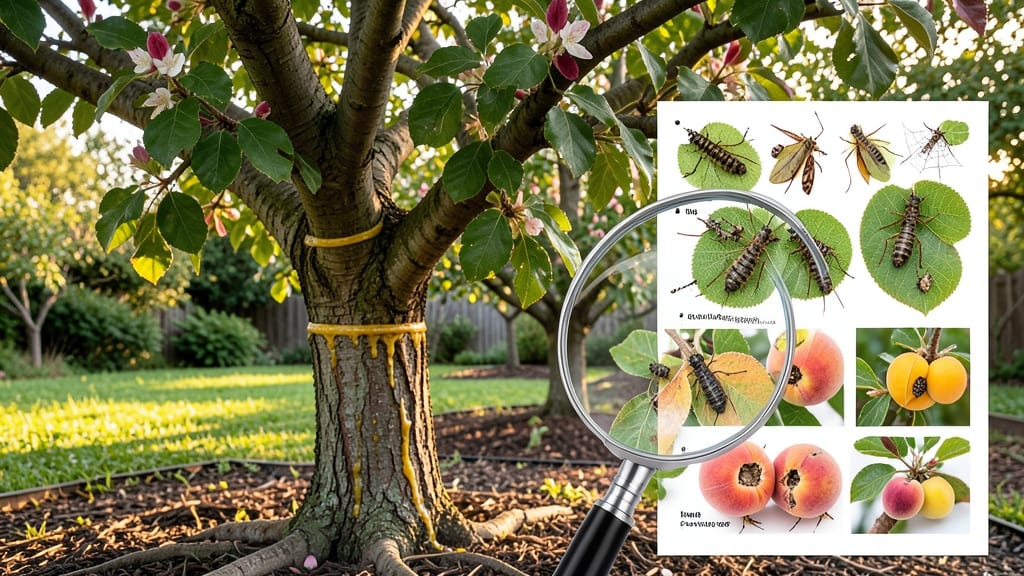
Spotting fruit tree pests identification before they ruin your harvest is the difference between a bountiful crop and a disappointing one. 🌳 I’ve lost entire seasons to tiny invaders I didn’t notice until it was too late—aphids, borers, mites, and fruit flies all leave telltale signs if you know where to look.
The key is learning their damage patterns: curled leaves, sawdust-like frass, or tiny webs that appear overnight.
Most pests target weak trees, so healthy soil and proper pruning cut their success rate by half. Start by inspecting leaves, bark, and fruit regularly—especially after rain, when pests are most active.
A 10x magnifying glass reveals mites and aphids you’d otherwise miss, and a sharp knife helps scrape off bark to check for borer tunnels. Prevention is easier than treatment: neem oil sprays and beneficial nematodes work wonders before pests take hold.
You’ll quickly recognize the damage: aphids cluster on new growth, borers create D-shaped exit holes, and fruit flies lay eggs in bruised fruit. Once identified, targeted solutions—like pesticide-soaked cotton balls for borers or row covers for flies—keep your trees thriving.
The payoff? Trees that produce stronger fruit and fewer pests year after year.
This method works for apples, peaches, cherries, and citrus—no matter your experience level. The trick is consistency: check weekly during growing season, and you’ll catch problems before they spiral. Let’s turn pest control into a habit, not a crisis.
📚 In This Guide
- What you need
- Instructions
- Tips and common mistakes
- Wrapping up and next steps
What you need
- ● Hand Lens (Magnifying Glass) – 10x magnification for spotting tiny details on leaves, stems, and fruit.
- ● Notebook & Pen – For recording pest names, locations, and damage observations.
- ● Ruler or Measuring Tape – To document pest size (inches or centimeters).
- ○ Gloves (Optional but Recommended) – Nitrile or latex to protect against irritants like sap or insect secretions.
- ● Camera or Smartphone – For capturing clear photos of pests, damage, and infested areas.
- ● Field Guide or Pest ID App – e.g., blank">iNaturalist or blank">PlantVillage for real-time comparisons.
- ● Spray Bottle with Water – To gently dislodge pests for better visibility.
- ● UV Flashlight – Reveals insect trails and hidden pests (especially useful at dusk).
- ● Insect Net or Aspirator – For safely capturing and relocating pests for study.
- ● Soap Spray (Mild Dish Soap + Water) – Helps rinse off pests for closer inspection.
- ● Pruning Shears – To trim heavily infested branches for disposal or lab testing.
- ● Plastic Bags or Containers – For transporting samples to extension offices or labs.
Step-by-step Guide to identifying common fruit tree pests
Spotting pests early saves your harvest—and your trees. Here’s how to recognize the most destructive invaders before they take hold.
🐛 Step 1: Inspect Leaves for Early Signs of Damage
Start by examining the upper and lower surfaces of leaves, focusing on edges and veins. Look for tiny holes, chewed edges, or irregular patterns—these are classic signs of caterpillars or leaf miners. I always check the undersides first; aphids and spider mites love to cluster there, leaving behind sticky residue or fine webbing.
If you spot yellowing or browning spots that seem to follow a trail, that’s often the work of beetles or borers. Hold the leaf up to the light—you might see tiny larvae tunneling between the layers. This is the moment that matters: catching these early means you can treat with targeted sprays before the pests spread.
🍎 Step 2: Examine Fruit for Bites and Abnormal Growths
Pick up any fallen fruit and inspect the skin for small, round holes or shallow depressions. These are telltale signs of fruit flies or curculio beetles, which lay eggs inside the fruit. If the fruit feels soft or mushy when pressed, it could be infected by maggots or fungal growth triggered by pest damage.
Watch for abnormal growths, like small, hard bumps or swollen areas—these often indicate gall wasps or scale insects. I’ve seen apple trees with entire clusters of fruit deformed by these pests, so I always check the youngest fruit first. If you find a single affected piece, isolate it immediately to prevent cross-contamination.
🌿 Step 3: Check Bark and Trunk for Crawlers and Holes
Run your fingers along the bark, especially near the base of the tree and at branch junctions. You’re looking for tiny holes, sawdust-like frass (insect droppings), or oozing sap—all signs of borers or bark beetles. These pests burrow into the cambium layer, which is the tree’s lifeline for nutrients and water.
If you spot small, winged insects flying away when you tap the trunk, that’s a clear sign of bark beetles. I’ve found that early morning inspections work best—they’re sluggish then and easier to spot. Don’t ignore small cracks or peeling bark either; these can harbor overwintering pests ready to strike when temperatures rise.
🪰 Step 4: Monitor Soil and Roots for Underground Threats
Gently loosen the top inch of soil around the base of the tree with a small hand trowel. Look for grubs, larvae, or adult beetles tunneling through the roots. Grubs, in particular, can decimate root systems overnight, leaving the tree vulnerable to drought or disease.
If the soil feels unusually spongy or you see ants trailing up the trunk, that’s often a sign of root weevils or other soil-dwelling pests. Here’s the thing—these are the hardest to detect, but they’re also the most damaging. I recommend checking the soil after rain when pests are more active and easier to spot.
⏰ Step 5: Time Your Inspections for Peak Pest Activity
Most fruit tree pests are most active during late spring to early summer, when temperatures hover around 70-85°F. That’s when aphids, caterpillars, and borers are most visible. I schedule weekly inspections during this window, focusing on the tree’s most vulnerable parts: new growth, fruit clusters, and bark crevices.
Don’t forget to check at different times of day—pests like scale insects hide under leaves during the day but become active at dawn. If you’re dealing with a severe infestation, consider setting up a pest monitoring trap near the tree. These traps use pheromones to lure pests away from the tree, giving you a clearer picture of what’s attacking your harvest.
Tips & tricks for mastering fruit tree pest identification
These field-tested strategies will help you spot pests before they become a full-blown infestation—and save your orchard from disaster.
Lighting is Your Best Tool: Always inspect trees on a bright, overcast day or in early morning sunlight. Direct sunlight creates harsh shadows that hide subtle signs like tiny eggs or early-stage webbing. I keep a small handheld magnifying glass (3x magnification) in my toolkit—it reveals details you’d miss with the naked eye, like the delicate silk tunnels of leaf miners or aphid clusters.
Seasonal Timing Matters: The late spring to early summer window (when temperatures hover around 70-85°F) is critical for catching pests early. Schedule your inspections right after rain—pests become more active when humidity rises, making them easier to spot. I mark my calendar for every 7-10 days during this period, focusing first on new growth areas where pests lay eggs.
Don't Overlook the Basics: Many gardeners skip the simple but essential step of shaking branches over a white sheet or tray. This reveals hidden pests like scale insects, spider mites, or tiny beetles that drop when disturbed. I’ve caught early infestations this way that would have gone unnoticed for weeks. Pair this with a quick trunk tap—if bark beetles are present, you’ll hear them scurrying inside.
Document Your Findings: Keep a simple logbook with dated sketches of any damage you spot. Note the location (leaf, fruit, bark), size of holes, and any webbing or residue. Over time, you’ll recognize patterns specific to your trees. I’ve used this method to track the progression of aphid colonies and adjust my treatment schedule accordingly.
Pro Tips for Fruit Tree Pests Identification
- These field-tested strategies will help you spot pests before they become a full-blown infestation—and save your orchard from disaster.
- Lighting is Your Best Tool: Always inspect trees on a bright, overcast day or in early morning sunlight.
- Seasonal Timing Matters: The late spring to early summer window (when temperatures hover around 70-85°F) is critical for catching pests early.
Frequently asked questions
Got questions about identifying and managing fruit tree pests? You’re not alone! Here are answers to the most common concerns—so you can protect your trees like a pro.
How do I tell if my fruit tree has pests without seeing them?
Look for indirect signs like holes in leaves, sticky residue (aphid honeydew), or wilting branches. Check the soil for tiny larvae or crawl under bark for webbing. If you spot chewed fruit or sawdust-like frass, pests are likely nearby. Act fast—early detection saves your harvest!
When is the best time to inspect my fruit trees for pests?
Inspect trees weekly during spring bud break and summer fruiting—peak pest activity periods. Early morning or evening (when pests are sluggish) is ideal. After rain is also key, as moisture attracts many insects. Keep a pest log to track patterns!
Are there natural ways to prevent pests instead of using chemicals?
Try neem oil, soapy water sprays, or beneficial insects like ladybugs. Prune properly to improve airflow, and use row covers for young trees. Companion planting (e.g., marigolds near fruit trees) can deter pests naturally. Always test remedies on a small area first!
My tree has pests—should I remove the fruit to save the tree?
It depends! For light infestations, you can pick and destroy affected fruit to stop the spread. If pests are severe (e.g., borers), prioritize the tree’s health—remove heavily damaged fruit and focus on treating the tree. Don’t compost infested fruit; bag and discard it to prevent reinfestation.
What’s the fastest way to confirm if I have a pest problem?
Take clear photos of damage (close-ups of leaves, fruit, and bark) and compare them to online guides or use a pest ID app like PlantVillage. For tricky cases, send samples to your local Cooperative Extension office—they offer free diagnostics!
Wrapping up and next steps
Identifying fruit tree pests early is your first line of defense in keeping your orchard thriving! 🌱 From aphids to borers, recognizing these common invaders helps you act fast—whether through organic remedies, pruning, or targeted treatments. Remember, a little vigilance today saves big headaches (and lost harvests) tomorrow.
Ready to take action? Start by inspecting your trees weekly—look under leaves, check bark crevices, and shake branches over a white sheet to spot hidden pests. Need a refresher? Bookmark this guide and revisit it before your next pruning session! 🌟