
Pruning
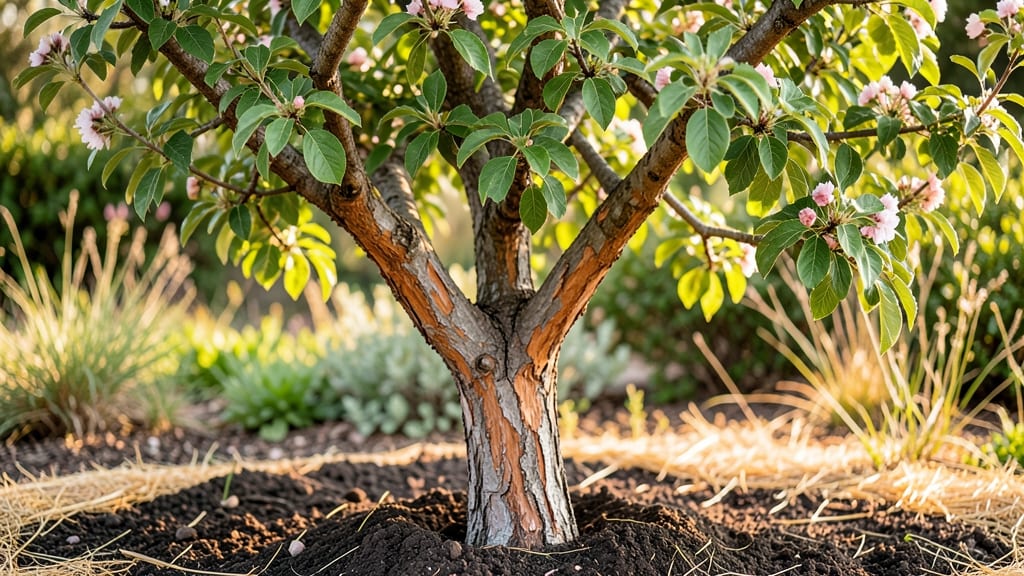
When your peach tree bark starts peeling like sunburned skin, it’s not just unsightly—it’s a cry for help. 🌳 I’ve seen this happen after harsh winters, pest attacks, or fungal infections, and the good news is, you can often reverse it with the right steps.
The key is figuring out whether it’s environmental stress, a critter problem, or something more serious lurking under that bark.
Most peeling bark isn’t fatal, but ignoring it can weaken your tree over time. I’ve treated everything from sunscald (common on south-facing branches) to bacterial canker (which oozes and smells foul). The first step is checking for telltale signs: cracked bark, dark streaks, or sticky residue.
If you see any of those, grab your pruners and a copper-based fungicide—your tree’s lifeline might be in those two tools.
Here’s the game-changer: prune affected branches in late winter, seal cuts with pruning paint, and apply a thick layer of mulch to protect roots. For fungal issues, a baking soda spray (1 tbsp per gallon of water) works wonders—just spray it on a cloudy day to avoid burning the bark.
Within a season, you’ll see fresh, healthy growth pushing through, and those peeling patches will fade into memory.
Prevention is easier than cure, so keep an eye out for aphids or borers (they love stressed trees) and water deeply but infrequently to avoid bark cracks. If your tree is young, give it a white tree wrap in winter to shield it from temperature swings.
Trust me, a little maintenance now means plump peaches—not peeling branches—for years to come.
Root Causes Of Bark Peeling
Understanding why your peach tree’s bark is peeling is the first step to restoring its health. This issue often stems from a mix of environmental stress, pest activity, and disease pressures. Below, we break down the key culprits behind peeling bark in peach trees, backed by science and actionable insights.
---
Peach trees are sensitive to rapid temperature shifts, especially between hot days and freezing nights. When bark expands and contracts due to these swings, the outer layer can split and peel like sunburned skin.
- How it happens: The cambium layer (the tree’s growth tissue) struggles to adapt, causing the bark to crack and flake. - Worst offenders: Late spring frosts after warm spells or summer heatwaves followed by sudden cold snaps. - 💡 Pro Tip: Mulch around the base with wood chips or straw (3–4 inches deep) to insulate roots and stabilize soil temperature.
---
Some insects chew through bark, creating tunnels that weaken structural integrity and trigger peeling. The most common offenders include:
| Pest | Damage Signs | Why It Causes Peeling | |-------------------|------------------------------------------|---------------------------------------------------| | Peach Tree Borer | Sawdust-like frass, D-shaped exit holes | Larvae burrow under bark, disrupting vascular flow. | | Scale Insects | Sticky honeydew, black sooty mold | Sap-sucking weakens bark, leading to flaking. | | Beetles (e.g., flathead) | Jagged holes, wilting branches | Adults chew bark; larvae mine into wood. |
- 🔥 Red Flag: If you see sawdust piles at the base or oozing sap, pests are likely the culprit. - Action Step: Prune infested branches 12 inches below damage and apply neem oil or insecticidal soap in early spring.
---
Fungi thrive in moist, damaged bark, causing cankers—sunken, discolored patches that peel away. Common fungal triggers include:
- Bacterial Leaf Scorch 🌿 - Symptoms: Brown, curled leaves + peeling bark with black streaks. - Why? Bacteria clog xylem vessels, forcing the tree to shed bark to "bleed" toxins.
- Silver Leaf Fungus 🍄 - Symptoms: Silvery sheen on bark, peeling in irregular patches. - Why? The fungus invades through wounds, disrupting bark adhesion.
- 🌡️ Environmental Trigger: Overhead irrigation or prolonged wet bark (from rain/shade) creates the perfect fungal buffet. - ✨ Fix It: Remove infected branches with sterilized pruners, then spray with copper fungicide (follow label rates).
--- Peach trees hate soggy roots. When soil stays waterlogged: - Bark softens and peels due to cell swelling (like overhydrated fruit). - Root rot (from Phytophthora fungi) forces the tree to shed bark to "breathe."
- 🚨 Warning Signs: Mushrooms at the base, yellowing leaves, or bark that peels in large, wet sheets. - Solution: Improve drainage with sand or gravel amendments, and water deeply but infrequently (1–1.5 inches per week).
--- - Sun Scald ☀️ - Cause: Bark peels on southwest-facing sides from winter sun exposure (common in young trees). - Fix: Wrap trunks with tree wrap in late fall to reflect heat.
- Tool Trauma ⚔️ - Cause: Jagged cuts from dull pruners or string trimmer damage create entry points for disease. - Fix: Prune in dormant season (late winter) with sharp, clean tools, and seal cuts with pruning sealant (optional for peach trees).
--- Lack of key nutrients weakens bark resilience. Peach trees need: - Calcium (prevents bark cracking) - Potassium (strengthens cell walls) - Boron (critical for cell division)
- 📊 Deficiency Signs: - Peeling in patches + small, brittle leaves = Calcium/Boron deficiency. - Yellowing between veins = Potassium shortage. - 💡 Quick Fix: Apply a balanced fertilizer (10-10-10) in early spring, or use calcium nitrate for spot treatment.
--- Key Takeaway: Peeling bark is rarely just one issue—combine fixes (e.g., prune + fungicide + mulch) for the best results. Next, we’ll cover how to assess damage and when to call in a pro.
Fixing Peeling Bark in Peach Trees
Peeling bark on your peach tree isn’t just an eyesore—it can signal deeper issues like disease, pests, or environmental stress. The good news? Most causes have straightforward fixes. Below, we’ve mapped out practical solutions based on the root problem, along with prevention tips to keep your tree healthy long-term.
---
Cause: Sudden exposure to intense sunlight, temperature swings, or drought can dry out and crack the bark. Fix: - Apply protective bark wrap 🔥: Use a breathable tree wrap or horticultural tape around exposed areas to shield the bark from harsh sun. Avoid plastic—it traps moisture and worsens damage. - Water deeply but infrequently 💧: Peach trees need 1–1.5 inches of water per week, especially during dry spells. Focus on the root zone to prevent surface drying. - Mulch properly 🌿: Spread 2–4 inches of organic mulch (like wood chips) around the base, keeping it 6 inches away from the trunk to retain moisture and regulate soil temperature.
Prevention Tip: 💡 If planting a new peach tree, choose a sheltered location (e.g., near a fence or building) to buffer against afternoon sun.
---
Cause: Insects like peach tree borers or scale burrow into bark, creating tunnels and peeling layers. Fix: - Prune infested branches ⏰: Cut out small, damaged sections (up to 1/3 of the tree’s height) in late winter or early spring before pests wake up. Sterilize pruners with rubbing alcohol between cuts. - Apply neem oil or insecticidal soap 🍃: Spray affected areas with a 1% neem oil solution (mix 1 tbsp neem oil + 1 tsp mild soap + 1 quart water). Reapply every 7–10 days for 3–4 weeks. - Encourage natural predators 🐞: Ladybugs and parasitic wasps eat scale insects. Plant dill or fennel nearby to attract them.
Prevention Tip: ✨ Inspect trees annually in early spring for sawdust-like frass (insect droppings) or holes in the bark—early action stops outbreaks.
---
Cause: Fungi like bacterial leaf spot or canker thrive in wet conditions, causing sunken lesions and peeling bark. Fix: - Remove and destroy infected branches 🔪: Prune all diseased wood (including 6 inches below the lesion) and burn or bag it to prevent spread. Do not compost! - Apply copper fungicide 🛡️: Use a fixed copper spray (like Bordeaux mixture) before bud break and again after harvest. Follow label rates—copper is safe but can harm plants if overused. - Improve airflow 🌬️: Thin the canopy by removing crossing branches to reduce humidity and fungal spores.
Prevention Tip: 🌡️ Avoid overhead watering—use drip irrigation or water at the base to keep foliage dry.
--- Cause: Older trees shed bark naturally, or lawnmowers, tools, or animals strip it away. Fix: - Leave minor peeling alone 🛑: If the tree is otherwise healthy, don’t intervene—peeling bark is often just the tree’s way of renewing itself. - Protect from damage 🚜: Install a tree guard (metal or plastic) around the trunk to block mowers and string trimmers.
For animal damage, wrap the trunk with hardware cloth. - Seal deep wounds (if needed) 🎨: For large, jagged tears, apply pruning sealant (like Tanglefoot Tree Wound Pruning Seal) to prevent pests from entering—but only if the wound is over 1 inch wide.
Prevention Tip: 💪 Train young trees with a stake and tie system to strengthen bark as they grow.
--- Cause: Lack of potassium (K) or calcium (Ca) weakens bark structure, making it prone to peeling. Fix: - Test your soil 📊: Use a home soil test kit (or send a sample to a local extension office) to check pH and nutrient levels.
Peach trees thrive in slightly acidic soil (pH 6.0–6.5). - Add organic amendments 🥔: - Potassium: Mix in wood ash (1 cup per tree) or use a balanced fertilizer (like 10-10-10) in early spring. - Calcium: Sprinkle crushed eggshells or gypsum around the base (avoid direct contact with the trunk). - Use foliar sprays 🌿: For quick results, spray calcium nitrate (1 tbsp/gallon of water) on leaves every 2 weeks during growing season.
Prevention Tip: 🌱 Mulch with compost annually to slowly improve soil health over time.
--- If peeling bark is accompanied by oozing sap, wilting leaves, or dieback, your tree may have a serious disease (like silver leaf fungus) or structural damage. In these cases, consult an arborist for a professional diagnosis.
--- Final Pro Tip: 🎯 Monitor your tree seasonally—catching issues early (like pests or fungal spots) means less work and more fruit next harvest! With the right care, your peach tree’s bark will stay smooth, and those juicy peaches will be back in no time.
Frequently asked questions
Is peeling bark always a sign of a sick peach tree?
Not necessarily! Some peeling is natural as trees grow, especially in older branches. However, if you see black streaks, oozing sap, or large patches peeling off, that’s a red flag for disease or pests. Focus on branches with these extra symptoms first.
Can I use regular household items to treat peeling bark?
Yes! For fungal issues, a baking soda spray (1 tbsp per gallon of water) works well. For pests, neem oil mixed with soap (1 tbsp neem + 1 tsp soap per quart of water) is effective. Always test small areas first to avoid harming the tree.
When is the best time to prune branches with peeling bark?
Late winter or early spring is ideal—before buds swell but after frost danger passes. Prune 12 inches below damaged areas to remove infected wood completely. Sterilize your tools with rubbing alcohol between cuts to prevent spreading disease.
Will peeling bark affect my peach harvest?
It depends on the cause. Minor peeling from natural aging won’t hurt fruit production, but severe cases (like bacterial canker or borer infestations) can weaken the tree and reduce yields. Address the root issue promptly to protect next season’s harvest.
How do I know if my tree needs a professional arborist?
If you see large areas of dead wood, oozing cankers, or structural damage (like split trunks), it’s time to call an expert. For less severe cases, DIY treatments often work—but when in doubt, consult a local arborist for a proper diagnosis.