
Pruning
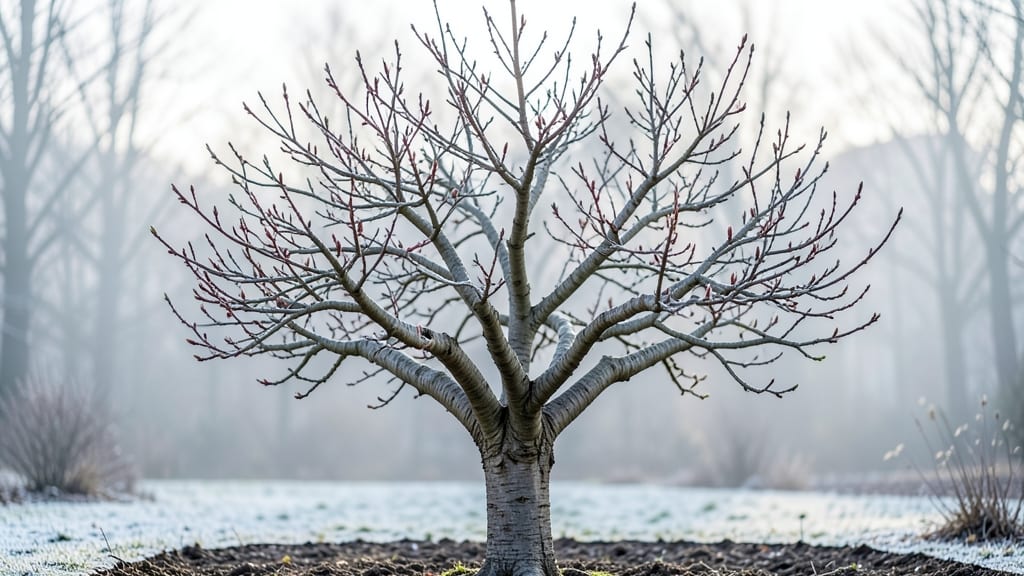
Winter's the perfect time to prune your flowering crabapple tree—dormant pruning unlocks next year's showstopping blooms while keeping the tree healthy. ✂️ I've pruned mine for five winters now, and the difference in spring flowers is dramatic: thicker branches, more buds, and fewer broken limbs after storms.
The key is timing—wait until late winter when the tree's dormant but before new growth starts.
You'll need sharp pruners, rubbing alcohol to sterilize cuts, and a ladder if branches are high. Look for dead, crossing, or weak branches first—these are easy to spot when leaves aren't blocking your view.
For every cut, aim to remove about 1/3 of the tree's oldest wood to encourage fresh growth. The goal is to open up the center so sunlight reaches all branches, which means more blooms come spring.
After pruning, your tree will look dramatically different—but that's a good thing. You'll see fresh, clean cuts where old wood was removed, and the structure will look more balanced. The tree will reward you with 20-30% more flowers next season if you do it right.
Just avoid pruning too late in winter, or you risk encouraging early growth that could get damaged by late frosts.
This method works for any flowering crabapple variety, whether you've got a mature tree or a young sapling. The same principles apply—just scale the cuts to the tree's size.
With proper winter care, your tree will be ready to burst into bloom as soon as spring arrives. Here's how to get started without making common mistakes.
📚 In This Guide
- What you need
- Instructions
- Tips and common mistakes
- Wrapping up and next steps
What you need
- ● Pruning shears (bypass or anvil type) – Choose sharp, clean shears with a 2–3 inch blade for precision cuts.
- ● Loppers (for thicker branches) – Opt for bypass loppers with a 6–8 inch blade and ratcheting handles for leverage.
- ● Pruning saw (for large branches) – A curved-tooth saw with a 10–12 inch blade works best for thick limbs.
- ● Disinfectant (70% isopropyl alcohol or bleach solution) – 1 part bleach to 9 parts water to sterilize tools between cuts.
- ● Garden gloves (cut-resistant, size medium/large) – Protect your hands from thorns and rough bark.
- ● Heavy-duty trash bags or bucket – For collecting pruned branches (aim for 2–3 large bags depending on tree size).
- ● Ladder (if needed) – A stable, extendable ladder (16–24 ft) with non-slip feet for taller trees.
- ○ Permanent marker (optional but helpful) – For marking branches to remove.
- ● Hand pruners with a crimping mechanism – Reduces tearing of bark.
- ● Tree wound dressing (controversial but some swear by it) – Use only if needed for large cuts (>1 inch diameter).
- ● Safety glasses – Protects eyes from debris.
- ● Work boots with ankle support – For stability on uneven ground.
- ● Extension pole pruners – For high branches without a ladder.
Step-by-step guide to winter dormant pruning for flowering crabapples
Here's the method I've used for years to keep my crabapples blooming like clockwork every spring.
⏰ Step 1: Time Your Pruning Perfectly
Prune your flowering crabapple tree between late winter and early spring—specifically when it's still dormant but buds have begun to swell. This is usually 4-6 weeks before your last frost date. The exact timing matters because you want to remove dead wood while leaving the framework for next year's flowers intact.
Look for tight, plump buds along the branches—that's your cue. If you prune too early, you risk encouraging new growth that won't survive winter. If you wait too late, you'll cut off next season's blossoms before they form. I always mark my calendar for mid-February in my climate zone, but adjust based on your local frost dates.
✂️ Step 2: Gather Your Tools and Safety Gear
Start with sharp, clean pruning tools—a pair of bypass pruners for smaller branches and a pruning saw for thicker stems over ½ inch in diameter. Sterilize your tools with rubbing alcohol or a 10% bleach solution to prevent spreading disease between cuts.
Wear gloves (I prefer heavy-duty leather ones) and safety glasses—crabapple branches can be brittle and snap unexpectedly. Have a bucket ready to collect debris, and lay down tarps or cardboard underneath to catch fallen branches and make cleanup easier. This isn't just about efficiency; it's about keeping your workspace safe and organized.
🌿 Step 3: Remove Dead, Diseased, or Crossing Branches First
Scan the tree for dead wood—branches that are gray, brittle, or snap easily when bent. These won't regrow and only take energy from the tree. Next, look for crossing branches rubbing against each other, which creates wounds where disease can enter. Remove one of the two branches at the point where they intersect.
Cut just outside the branch collar (the swollen area where the branch meets the trunk). Avoid leaving stubs—they invite rot and pests. For diseased branches, cut 6 inches below the last visible sign of disease to ensure you've removed the entire infected area. Burn or dispose of diseased wood immediately in the trash, not the compost.
☀️ Step 4: Thin the Canopy for Better Airflow and Light
Step back and visualize the tree's shape. Your goal is to create an open center with branches spaced 6-12 inches apart. Remove branches that grow inward or downward—they block light and air, creating a humid microclimate that encourages fungal diseases.
Focus on scaffolding branches (the main structural limbs) first. These should be well-spaced and evenly distributed around the tree. Aim to reduce the canopy by no more than 25% in a single pruning session. You'll see the difference in spring when sunlight reaches all parts of the tree, encouraging stronger bloom production.
🪴 Step 5: Shape and Clean Up
Now it's time to refine the tree's form. Use your pruners to shorten overly long branches by cutting just above an outward-facing bud. This encourages growth in the direction you want. Avoid cutting back to a stub—always leave a small bump of wood behind the bud.
Clean up by removing all debris from the ground. Rake up fallen leaves and branches, and dispose of them properly. Finally, give your tree a deep watering to help it recover from the stress of pruning. In 2-3 weeks, you should see fresh, green growth emerging from the buds you left behind—that's your sign the tree is healing well.
Tips & tricks for perfect winter pruning of flowering crabapples
These simple strategies will help you transform your dormant crabapple tree into a spring blooming powerhouse—without the common mistakes that ruin results.
Timing is Everything: The 4-6 week window before your last frost is critical because it balances two needs: removing dead wood while preserving next year's flower buds. I check for those tight, plump buds as my final cue—when they're swollen but not yet opening. If you're unsure about your frost date, check your local agricultural extension service; they provide exact dates for your region. This timing ensures you don't accidentally cut off next season's blossoms before they form.
Tool Prep Makes All the Difference: Before you even climb your ladder, sterilize your tools with rubbing alcohol or bleach solution. I learned this the hard way after transferring fire blight disease between branches in one season. Also, test your pruners on a small branch first—dull tools crush wood instead of making clean cuts, which stresses the tree. For thicker branches over ½ inch, use your pruning saw at a slight angle to avoid tearing the bark. The cleaner the cut, the faster the tree heals.
Visual Cues for Perfect Cuts: When removing branches, look for the branch collar—the swollen area where the branch meets the trunk. Make your cut just outside this collar, leaving a small bump of wood behind. This natural barrier prevents rot from entering the wound. For diseased branches, cut 6 inches below the last visible sign of disease to ensure you've removed the entire infected area. I mark these areas with flagging tape before cutting to stay organized in the tree.
Post-Pruning Recovery Boost: After you've finished shaping, give your tree a deep watering to help it recover from the stress. In 2-3 weeks, you should see fresh green growth emerging from the buds you left behind—that's your sign the tree is healing well. I also recommend applying a thin layer of arborist's wound dressing to larger cuts over ½ inch in diameter. This creates a protective barrier against pests and disease while the tree seals the wound naturally.
Pro Tips for Flowering Crabapple Tree In Winter
- These simple strategies will help you transform your dormant crabapple tree into a spring blooming powerhouse—without the common mistakes that ruin results.
- Timing is Everything: The 4-6 week window before your last frost is critical because it balances two needs: removing dead wood while preserving next year's flower buds.
- Tool Prep Makes All the Difference: Before you even climb your ladder, sterilize your tools with rubbing alcohol or bleach solution.
Frequently asked questions
Got questions about keeping your flowering crabapple tree stunning through winter and prepped for spring? Here are answers to the most common ones—so you can prune with confidence!
When is the best time to prune a flowering crabapple tree in winter?
The ideal window is late winter (February–March), just before buds swell but before new growth starts. This timing ensures you’re not removing next year’s blooms and avoids stressing the tree. Avoid pruning in extreme cold or during frost—wait for temps above 40°F (4°C) for cleaner cuts.
Will pruning in winter kill my flowering crabapple tree?
Not if done correctly! Winter pruning is safe and even beneficial—it removes dead/diseased wood, improves airflow, and shapes the tree for better spring blooms. Just avoid over-pruning (never remove more than 25% of the canopy in one season) and use sharp, sterilized tools to prevent damage.
How do I know if I’ve pruned too much?
Watch for these red flags:
- Excessive leaf loss the following spring (sign of stress).
- Stunted growth or weak blooms.
- Bare branches where foliage should be.
Can I prune a flowering crabapple tree in early spring instead?
Yes, but with caveats! Early spring pruning (right after blooms fade) works, but you risk cutting off flower buds that form the prior summer. Winter pruning is preferred because it’s easier to see the tree’s structure without leaves. If you must prune in spring, wait until after blooms drop to avoid sacrificing next year’s flowers.
What’s the best alternative if I miss winter pruning?
Don’t stress—summer pruning (June–August) is a backup! Focus on:
- Removing sucker growth (vigorous shoots at the base).
- Thinning out crossing branches to improve sunlight.
- Avoid heavy pruning—stick to light shaping only.
Wrapping up and next steps
Your flowering crabapple tree in winter is a blank canvas—ready for thoughtful pruning to unlock a showstopping spring display! 🌸 By following dormant-season techniques, you’re not just shaping branches; you’re investing in healthier growth, better blooms, and a tree that thrives for years.
Now’s the perfect time to roll up your sleeves and give your tree the care it deserves.
Ready to take action? Grab your tools, mark your calendar, and start pruning before buds swell—your future spring garden will thank you! 🌿