
Trees
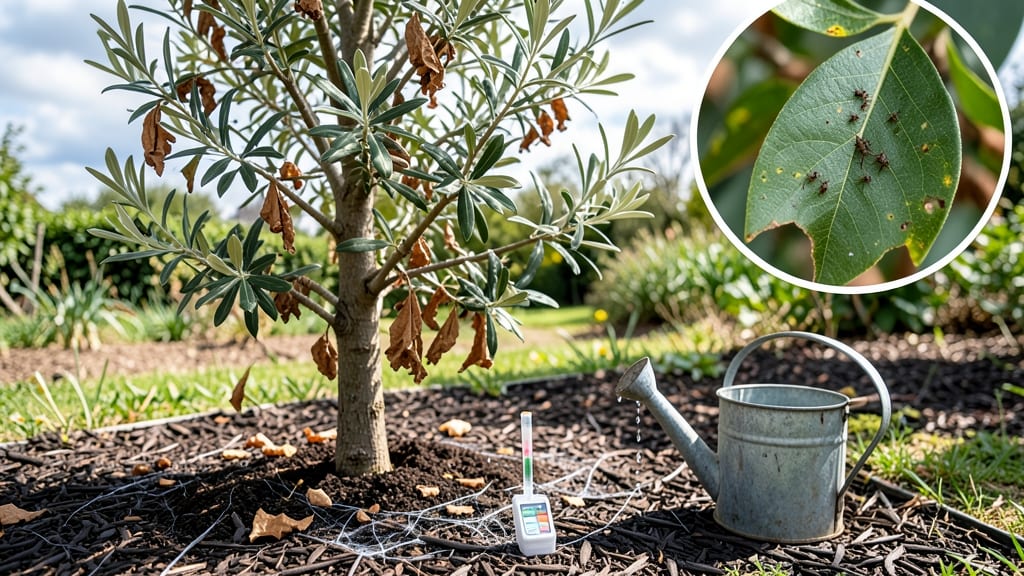
Your olive tree’s brown going leaves could mean one of three things: too much water, not enough, or something sneaking in unseen. 🌿 I’ve nursed back more olive trees than I can count, and the fix always starts with checking the soil moisture—your first clue to whether you’re drowning or dehydrating the roots.
Most home gardeners overwater without realizing it. Olive trees hate soggy feet and will show stress through crispy brown edges or yellowing leaves. But if the soil’s bone-dry and leaves curl like parchment, it’s thirst—not too much love.
Grab a stick, poke the soil 2–3 inches deep, and let that be your guide.
Once you’ve ruled out water, look closer for pests like spider mites (tiny webs on undersides) or fungal spots (dark, greasy patches). A quick spray with neem oil or pruning out the worst spots can turn things around in 2–4 weeks.
The goal? Restoring that glossy, vibrant green that makes olive trees look so effortlessly Mediterranean.
If the problem lingers beyond a month or you spot wilting despite proper watering, it might be Verticillium wilt—a stubborn fungal disease. That’s when calling an arborist becomes the smart move. But for 90% of cases, you’ve got this handled with basic care and patience.
Root Causes Of Browning Leaves
Olive trees are hardy, but when their leaves start turning brown, it’s often a cry for help from the tree itself. Understanding the why behind this discoloration is the first step to restoring your tree’s health.
Below, we break down the most common culprits—each with a clear scientific explanation and actionable insights to address them.
Olive trees (Olea europaea) are native to Mediterranean climates, where water is scarce but not absent. Their roots are adapted to drought tolerance, meaning they store water efficiently—but this also makes them highly sensitive to moisture imbalances.
- Underwatering: When soil dries out too much, leaves lose turgor pressure (the internal water pressure that keeps them firm). This causes edge browning (scorching) and a papery, crisp texture.
The tree prioritizes water for new growth, leaving older leaves to wither. - Signs: Crispy, dry edges; leaves curling upward; soil pulling away from the pot (if potted). - Fix: Water deeply but infrequently—only when the top 2–3 inches of soil are bone-dry.
Olive trees hate soggy roots!
- Overwatering: Poor drainage or excessive watering leads to root rot (Phytophthora or Fusarium fungi), which blocks water and nutrient uptake.
Brown leaves here are often soft, mushy, or yellow before browning, and the tree may drop them prematurely. - Signs: Yellowing leaves (chlorosis) before browning; foul-smelling soil; roots appearing black or slimy. - Fix: Ensure pots have drainage holes and use well-draining soil (sandy loam with perlite).
Let the soil dry completely between waterings.
💡 Pro Tip: Stick your finger 2–3 inches into the soil—if it’s damp, wait. If it’s dry, water slowly until it drains from the bottom.
Olive trees thrive in USDA Zones 8–11, but they’re not fans of sudden temperature swings. Extreme heat or cold can damage leaf cell membranes, causing them to oxidize and brown—a process called necrosis.
- Heat Stress: Temperatures above 95°F (35°C) for prolonged periods cause sunburn-like damage. Leaves may develop brown patches or bleached areas, especially on the upper surface. - Signs: Scorched-looking spots; leaves curling to reduce surface area. - Fix: Provide afternoon shade (especially for young trees).
Mulch the root zone to keep soil cooler.
- Cold Stress: Frost or temperatures below 20°F (-7°C) can trigger freeze damage.
Olive leaves may turn brown and brittle, often starting at the tips. - Signs: Dark brown, mushy patches; leaves falling off easily. - Fix: Protect young trees with burlap wraps or row covers. Avoid watering before a freeze—wet leaves conduct cold better!
✨ Did You Know? Mature olive trees are more cold-hardy than young ones. If your tree is established, it may recover from mild frost, but new growth is always vulnerable.
Pests like scale insects, spider mites, or olive fruit flies feed on leaf sap, injecting toxins that cause browning and stippling (tiny brown dots). Their damage weakens the tree, making it susceptible to secondary infections.
- Scale Insects: These armored pests suffocate leaves by excreting honeydew (a sticky substance that fosters sooty mold).
Infested leaves turn yellow then brown, often with a white, cottony residue. - Fix: Blast off scales with water spray or use neem oil (1 tbsp per gallon of water). Repeat every 7–10 days.
- Spider Mites: These tiny arachnids pierce cells, causing silver or bronze speckling that progresses to brown, dry patches. Severe infestations make leaves look stippled like a lace doily. - Fix: Spray leaves with water to dislodge mites.
For heavy infestations, use insecticidal soap (follow label rates).
- Olive Fruit Fly (Bactrocera oleae): While they target fruit, their larvae tunnel into leaves, causing brown, irregular spots with a serrated edge.
- Fix: Remove and destroy infested fruit. Use yellow sticky traps to monitor populations.
🔥 Warning: If you see black, sooty mold on leaves, it’s a sign of honeydew from pests like aphids or scale. Clean the tree with a mild bleach solution (1:9 bleach-water) to prevent further spread.
Olive trees are light feeders, but they do need specific nutrients to stay green. Deficiencies often manifest as browning between veins or yellowing (chlorosis) before browning sets in.
| Deficiency | Symptoms | Solution |
|---|---|---|
| Iron (Fe) | Young leaves turn yellow with green veins; older leaves brown. | Apply chelated iron (e.g., iron sulfate) or use acidic compost. |
| Magnesium (Mg) | Brown patches between veins (older leaves first). | Feed with Epsom salt (1 tbsp per gallon of water) or magnesium sulfate. |
| Zinc (Zn) | Interveinal chlorosis (yellowing between veins) + stunted growth. | Use zinc sulfate (1 tsp per gallon) or zinc-enriched fertilizer. |
| Potassium (K) | Edge browning (like scorching) + weak stems. | Apply potassium sulfate or wood ash (sparingly). |
💡 Pro Tip: Test your soil with a home kit before fertilizing—olive trees prefer slightly alkaline soil (pH 6.5–8.0). If your soil is too acidic, amend with lime.
Fungi and bacteria love stressed olive trees. Once established, they can clog the tree’s vascular system, cutting off water and nutrients to leaves.
- Verticillium or Fusarium Wilt: - Symptoms: Wilting, browning leaves (even when watered); yellowing veins; dieback (branches dying from the top down). - Cause: Soil-borne fungi that block water transport. - Fix: Remove infected branches (sterilize pruners with rubbing alcohol).
Avoid overhead watering. For severe cases, fungicide (e.g., copper-based) may help.
- Leaf Spot (Cercospora or Septoria):
- Symptoms: Small brown spots with yellow halos; spots may have dark centers.
- Cause: Fungal spores spread in wet conditions.
- Fix: Prune for airflow and apply copper fungicide (follow instructions). Remove fallen leaves.
🎯 Prevention: Space trees 6–10 feet apart for airflow. Water at the base (not leaves) to reduce fungal spores.
Mechanical stress from wind, hail, or aggressive pruning can tear leaf tissue, exposing cells to oxidation (they turn brown to seal off damage).
- Windburn:
- Symptoms: Brown, crispy edges on leaves exposed to wind.
- Fix: Plant windbreaks (e.g., shrubs) or stake young trees in exposed areas.
- Pruning Wounds:
- Symptoms: Brown, dead patches at pruning sites; splitting bark.
- Fix: Prune in late winter/early spring (dormant season). Use clean, sharp tools and seal large cuts with pruning sealant.
🔪 Mistake to Avoid: Never prune during wet weather—this increases disease risk. Wait for dry, sunny days.
Revive Your Olive Tree’s Health
Now that you know the culprits behind those unsightly brown olive tree leaves 🌿💔, it’s time to roll up your sleeves and bring back that lush, vibrant green. Below are practical, step-by-step solutions tailored to each cause—plus prevention tips to keep your tree thriving long-term.
Problem: Soggy roots from overwatering or compacted soil suffocate your olive tree, causing leaves to turn brown and wilt.
How to Fix It: 🔥 Stop Watering Immediately – Let the top 2–3 inches of soil dry out completely before watering again. Olive trees are drought-tolerant and prefer dry conditions.
🍳 Improve Soil Drainage – If your tree is in a pot, add perlite, coarse sand, or gravel to the soil mix (olive trees thrive in well-draining, slightly alkaline soil). For in-ground trees, consider amending the soil with compost and sand to loosen it up.
👨🍳 Repot if Necessary – If roots are circling or the pot lacks drainage holes, repot into a larger container with fresh, well-draining potting mix.
⏰ Monitor Watering Schedule – Water deeply once every 1–2 weeks (less in winter) and never let the tree sit in standing water.
💡 Pro Tip: Stick your finger in the soil—if it’s damp below 2 inches, wait to water. Olive trees hate "wet feet"!
Problem: Brown, crinkled, or mushy leaves with black spots or oozing sap signal fungal (like Verticillium wilt) or bacterial infections.
How to Fix It: 🔥 Prune Infected Branches – Use sterilized pruners (wipe with rubbing alcohol) to remove and destroy brown, diseased leaves and stems. Do not compost them—burn or trash them instead.
🍳 Apply Fungicide – Spray with a copper-based fungicide (like Copper Soap) or a neem oil solution (1 tsp neem oil + 1 quart water + a drop of dish soap) every 7–10 days until new growth appears.
👨🍳 Boost Air Circulation – Thin out dense foliage and space trees 8–10 feet apart to reduce humidity and fungal spread.
⏰ Water at the Base – Avoid overhead watering, which spreads spores. Water the soil directly in the morning so leaves dry quickly.
💡 Pro Tip: If the infection is severe, consult a local arborist—some fungal diseases (like root rot) may require soil fumigation.
Problem: Scorched, crispy brown edges on leaves mean your olive tree is sunburned or struggling in extreme heat.
How to Fix It: 🔥 Provide Afternoon Shade – If your tree is in a hot, sunny spot, move it to partial shade (especially in peak summer) or use light shade cloth (30–50% coverage).
🍳 Water Deeply & Frequently – During heatwaves, water deeply 2–3 times per week (early morning or late evening) to keep roots cool. Mulch with 2–3 inches of wood chips to retain moisture.
👨🍳 Avoid Fertilizing in Heat – Fertilizer burns can worsen stress. Wait until temperatures drop before applying a balanced, slow-release fertilizer (like 10-10-10).
⏰ Mist Leaves (Temporarily) – On extremely hot days, lightly mist leaves with water to reduce evaporation (but avoid soggy soil).
💡 Pro Tip: Olive trees love Mediterranean climates—if your area gets below 20°F (-6°C), consider wrapping the trunk in burlap or moving potted trees indoors.
Problem: Yellowing between veins, stunted growth, or brown leaf tips can mean lack of nitrogen, iron, or magnesium.
How to Fix It: 🔥 Test Your Soil – Use a home soil test kit to check pH (olive trees prefer 6.0–8.0) and nutrient levels.
🍳 Fertilize Correctly –
- For nitrogen deficiency (yellow leaves): Use a balanced fertilizer (10-10-10) in early spring.
- For iron deficiency (yellow new growth): Apply chelated iron or Epsom salt (1 tbsp per gallon of water) every 2 weeks.
- For magnesium deficiency (brown edges): Sprinkle Epsom salt around the base and water it in.
👨🍳 Use Organic Matter – Mix compost or well-rotted manure into the soil to slowly release nutrients.
⏰ Fertilize at the Right Time – Avoid fertilizing in winter—olive trees are dormant and don’t need extra nutrients.
💡 Pro Tip: Over-fertilizing is worse than under-fertilizing—stick to half the recommended dose if you’re unsure.
Problem: Tiny holes, chewed edges, or sticky residue mean pests like spider mites, scale, or aphids are sucking the life out of your tree.
How to Fix It: 🔥 Blast Off Pests – Spray leaves with a strong stream of water to knock off soft-bodied pests (aphids, mites).
🍳 Use Insecticidal Soap – Mix 1.5 tbsp mild castile soap + 1 quart water and spray both sides of leaves every 5–7 days until pests disappear.
👨🍳 Introduce Beneficial Insects – Ladybugs and lacewings eat aphids naturally. Buy them from a garden center or attract them with neem oil sprays.
⏰ Apply Horticultural Oil – For scale insects, spray with horticultural oil (follow label instructions) to smother eggs and adults.
💡 Pro Tip: Check the undersides of leaves—that’s where pests hide! Use a magnifying glass for stubborn infestations.
To keep your olive tree lush and green, follow these easy maintenance habits: ✅ Water deeply but infrequently – Olive trees hate wet feet but love drought tolerance. ✅ Prune in late winter – Remove dead, diseased, or crossing branches to improve airflow. ✅ Mulch properly – Use wood chips or gravel (not plastic) to retain moisture and regulate soil temp. ✅ Monitor regularly – Inspect leaves weekly for early signs of stress, pests, or disease. ✅ Choose the right location – Full sun (6+ hours/day) is ideal, but protect from harsh afternoon sun in hot climates.
Final Thought: Most olive tree leaf issues are fixable with the right care—just diagnose the problem, act quickly, and adjust your routine. With a little TLC, your tree will be back to its vibrant best in no time! 🌿💚
Frequently asked questions
Why are my olive tree leaves turning brown only at the edges?
This is usually a sign of underwatering or heat stress. Olive trees are drought-tolerant, but when soil dries out too much, leaves lose moisture from the edges first. Check soil moisture 2-3 inches deep—if dry, water deeply but infrequently. For heat stress, provide afternoon shade during peak summer months.
What's the difference between brown leaves from overwatering vs. underwatering?
Overwatered leaves appear soft, mushy, or yellow before browning, often with foul-smelling soil. Underwatered leaves are crispy, dry, and curl upward like parchment. The key difference: overwatered trees have soggy roots, while underwatered trees have bone-dry soil 2+ inches deep. Always check soil moisture before watering.
Can I save my olive tree if half the leaves are already brown?
Yes! Prune the brown leaves immediately (use sterilized shears) to redirect energy to healthy growth. Focus on fixing the root cause—whether it's water issues, pests, or nutrient deficiencies. Olive trees are resilient and can regrow leaves within 4-8 weeks if given proper care. The sooner you act, the better the recovery.
How often should I fertilize an olive tree with brown leaves?
Only fertilize if you suspect a nutrient deficiency (like yellowing between veins). Use a balanced fertilizer (10-10-10) in early spring—never during drought or extreme heat. For deficiencies, target-specific treatments: Epsom salt for magnesium, chelated iron for iron. Always water thoroughly after fertilizing to prevent root burn.
When should I call an arborist for my olive tree's brown leaves?
Consult a professional if you see wilting despite proper watering, black streaks in stems (Verticillium wilt), or large areas of dieback. These could indicate advanced fungal diseases that require specialized treatments. For potted trees, severe root rot may mean repotting with fresh, sterile soil is needed.