
Pruning
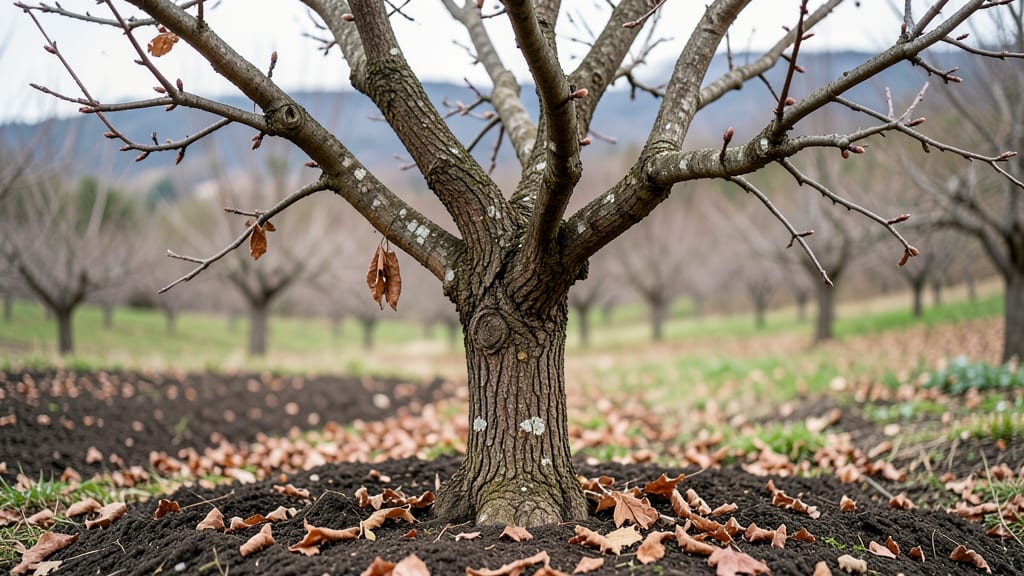
Winter is the perfect time to prune your apricot tree—when those dormant branches reveal their true shape and potential. ✂️ I’ve learned the hard way that skipping winter cuts means weaker growth and fewer fruit next spring.
The key is timing: prune after the first hard frost but before buds swell, usually between late winter and early spring.
You’ll need sharp pruners, rubbing alcohol to sterilize them, and a clear goal—open the canopy to sunlight and air, remove dead wood, and shape the tree for better fruit production. My tree went from scraggly to productive in just one season after I followed these steps.
The right cuts now mean sweeter fruit and fewer broken limbs later. By late spring, you’ll see fresh green shoots where you made your cuts, signaling the tree is happy and ready to bear fruit.
The branches will be stronger, the fruit heavier, and you’ll avoid the heartbreak of winter damage ruining your harvest. Works for young trees or mature ones needing a refresh. Here’s exactly how to do it right—no guesswork, just results.
📚 In This Guide
- What you need
- Instructions
- Tips and common mistakes
- Wrapping up and next steps
What you need
- ● Pruning shears: Bypass pruners (for cuts up to ½ inch thick) – 1 pair (sharp, clean, and well-oiled).
- ● Loppers: Bypass or anvil type (for branches ¾ to 2 inches thick) – 1 pair (with a long handle for reach).
- ● Pruning saw: Curved-tooth saw (for branches 2+ inches thick) – 1 (avoid straight teeth to prevent tear-out).
- ● Disinfectant: 70% isopropyl alcohol or bleach solution (1 part bleach to 9 parts water) – small spray bottle or cloths (sterilize tools between cuts).
- ○ Pruning sealant: Tree wound pruning paste (optional but helpful for large cuts > ½ inch) – small jar.
- ● Gloves: Heavy-duty, cut-resistant – 1 pair (protects from thorns and sap).
- ● Safety gear: Safety glasses and long sleeves – 1 set (prevents injuries from debris or sap).
- ● Bucket or bag: For collecting pruned branches – 1 large container (or designate a compost/wood-chip area).
- ● Extension pole: For loppers or pruners (reaches high branches safely).
- ● Ladder: Sturdy, 3-sided (for very tall trees—2+ feet taller than the tree’s height).
- ● Marking spray: Bright paint or tape (to tag branches for future reference).
- ● Notebook & pen: Sketch or note pruning decisions (helps track progress over years).
- ○ Tree growth regulator: Optional hormonal paste (applied to large cuts to reduce disease risk).
Step-by-step guide to winter pruning for apricot trees
Winter’s the perfect time to shape your apricot tree—here’s how to do it right for bigger harvests next year.
☀️ Step 1: Time Your Pruning for Best Results
Prune your apricot tree during late winter while it’s still dormant but after the worst cold snaps have passed. Aim for mid-February to early March in most climates—this gives the tree time to heal before spring growth begins. You’ll know it’s ready when the ground is thawed but buds haven’t swollen yet.
If you’re in a colder zone, wait until after the last hard freeze. Pruning too early can expose fresh cuts to freezing temperatures, which weakens the tree. In warmer areas, don’t delay past early March—you want to avoid encouraging early growth that could get damaged by late frosts.
✂️ Step 2: Remove Dead, Diseased, or Weak Wood
Start by cutting out any dead, diseased, or crossing branches—these are your top priorities. Dead wood is easy to spot: it’s brittle, doesn’t bend, and often has no bark or a dark, hollow center. Diseased branches may ooze sap, have fungal growth, or look discolored. Use clean, sharp pruners to make 45-degree cuts just outside the branch collar (the swollen area where the branch meets the trunk).
Next, remove any branches that are rubbing against each other—these create wounds where pests and diseases can enter. Thin out crowded branches to improve airflow and sunlight penetration. I like to step back every few cuts to visualize the tree’s shape—this helps me spot missed issues.
🌿 Step 3: Shape the Tree for Airflow and Light
Apricot trees thrive with open, airy canopies, so focus on creating a modified central leader shape. Start by selecting 3-5 strong, well-spaced scaffold branches (these are the main branches that form the tree’s structure). Remove any branches that grow inward or downward—they’ll compete with each other and reduce fruit production.
For each cut, aim to make the tree wider at the base and narrower at the top. This shape lets sunlight reach the inner branches, which is crucial for even fruit ripening. If you’re unsure about a cut, I recommend waiting a year—over-pruning can stress the tree and reduce next year’s harvest.
⏰ Step 4: Thin Out Overcrowded Branches for Fruit Quality
Now focus on fruitwood production by thinning out water sprouts (fast-growing, vertical shoots) and sucker growth (shoots from the base or roots). These compete with the tree for energy and often produce poor-quality fruit. Cut these back to ½-inch above a outward-facing bud—this encourages new growth in the right direction.
For established branches, look for thick, sturdy wood with a history of bearing fruit. If a branch is older than 5 years and no longer productive, remove it entirely. You’ll know a branch is past its prime if it’s thin, brittle, or produces tiny, sparse fruit. After thinning, the remaining branches should be spaced 8-12 inches apart on the scaffold.
🪴 Step 5: Clean Up and Protect the Tree
After pruning, sterilize your tools with rubbing alcohol or a 10% bleach solution to prevent spreading disease. Remove all cuttings and debris from the area—leaving them behind can harbor pests or fungi. If you’re in a wet climate, consider applying a wound dressing (like pruning sealant) to larger cuts over 2 inches in diameter—this helps prevent moisture-related rot.
Finally, give the tree a deep watering to help it recover. Mulch the base with 2-3 inches of organic mulch (like wood chips) to retain moisture and regulate soil temperature. Avoid piling mulch against the trunk—keep it 3-4 inches away to prevent rot. This final step sets your apricot tree up for strong, healthy growth come spring.
Tips & tricks for perfect winter apricot tree pruning
These simple strategies will help you prune like a pro and set your apricot tree up for a bountiful harvest next season.
Timing is Everything: The mid-February to early March window is critical because it balances two key factors: the tree is still dormant (so it won't bleed sap excessively), but the worst cold snaps have passed (so fresh cuts won't freeze). In my experience, pruning too early can shock the tree, while pruning too late risks encouraging vulnerable new growth that late frosts might damage. Watch for those thawed ground conditions and non-swollen buds—they're your perfect pruning cues.
Tool Prep Prevents Problems: I can't stress this enough—sterilizing your pruners between cuts is non-negotiable. Use rubbing alcohol or a 10% bleach solution (1 part bleach to 9 parts water) to wipe down blades after each major cut. This simple step prevents spreading fungal diseases between branches. Also, make sure your pruners are sharp—dull blades crush wood instead of making clean cuts, which creates larger wounds that heal more slowly.
Visualize the Final Shape: Before making any cuts, step back and visualize your tree's ideal shape—a modified central leader with an open, airy canopy. I like to sketch a rough outline on paper first. This helps me identify which branches need to go and which should stay. Remember, you're aiming for that wider-at-the-base, narrower-at-the-top look that lets sunlight penetrate all the way to the inner branches. It's okay to be patient—if you're unsure about a cut, waiting a year to reassess is always an option.
Post-Pruning Care Matters: After you've finished pruning, don't just walk away. Give your tree a deep watering to help it recover from the stress of pruning. Then apply that 2-3 inches of organic mulch, keeping it 3-4 inches away from the trunk. This might seem like a small detail, but proper mulching helps regulate soil temperature and retain moisture—both crucial for the tree's healing process. I've seen trees that were perfectly pruned but suffered from poor post-care end up with fewer fruit next season.
Pro Tips for Apricot Tree In Winter
- These simple strategies will help you prune like a pro and set your apricot tree up for a bountiful harvest next season.
- In my experience, pruning too early can shock the tree, while pruning too late risks encouraging vulnerable new growth that late frosts might damage.
- Tool Prep Prevents Problems: I can't stress this enough—sterilizing your pruners between cuts is non-negotiable.
Frequently asked questions
Got questions about caring for your apricot tree during winter? You’re not alone! Here are some of the most common concerns—and straightforward answers—to help you prune with confidence and set your tree up for a bountiful harvest next season.
When is the absolute latest I can prune my apricot tree in winter?
Prune your apricot tree while it’s fully dormant—typically between late winter and early spring, just before buds swell (usually February to March in most U.S. zones). Avoid pruning too early (like December) or too late (after buds break), as this can stress the tree or invite pests. Check your local frost dates for precision!
What if my apricot tree is bare—do I still prune it?
Yes! A bare apricot tree is the perfect candidate for winter pruning. Without leaves, you can easily spot dead, crossing, or weak branches to remove. Focus on opening the canopy for sunlight and air circulation—this reduces disease risk and encourages stronger fruit production next year.
I see sap oozing from my cuts—is this normal?
Don’t panic! Light sap (called "bleeding") is common after winter pruning, especially in apricots. It’s the tree’s natural response to injury. To minimize it, prune on a dry, cool day (not freezing) and seal larger cuts with pruning sealant. Heavy bleeding usually stops within a few weeks.
Can I prune my apricot tree too aggressively in winter?
Yes, you can! Apricot trees are resilient, but never remove more than 25% of the canopy in one year. Over-pruning weakens the tree, delays fruiting, and can lead to sunburn on exposed bark. Prioritize structural cuts first, then thin out crowded branches—think "less is more" for long-term health.
What’s a good alternative if I miss the winter pruning window?
If you miss winter, light pruning can still happen in early spring (right after last frost), but avoid heavy cuts. Summer pruning is risky—it can promote disease and reduce winter hardiness. For major work, wait until next winter. Pro tip: Mark your calendar now!
| Quick Troubleshooting | Solution |
|---|---|
| Dull pruners leaving jagged cuts | Sharpen blades with a file or grinder before use. |
| Fungal spots on pruned branches | Sterilize tools with rubbing alcohol between cuts. |
| Tree looks "hairy" with lots of small branches | Target water sprouts (vertical, fast-growing shoots) first. |
Wrapping up and next steps
Winter is the perfect time to give your apricot tree the care it needs to thrive! By pruning during its dormant season, you’re setting the stage for a healthier, more productive tree and a bountiful harvest next year.
Whether you’re a seasoned gardener or just starting out, these steps will help you confidently tackle the task—one cut at a time.
Ready to take the next step? Mark your calendar for late winter (just before buds swell) and grab your pruners—your apricot tree (and future fruit) will thank you! 🌱✂️