
Trees
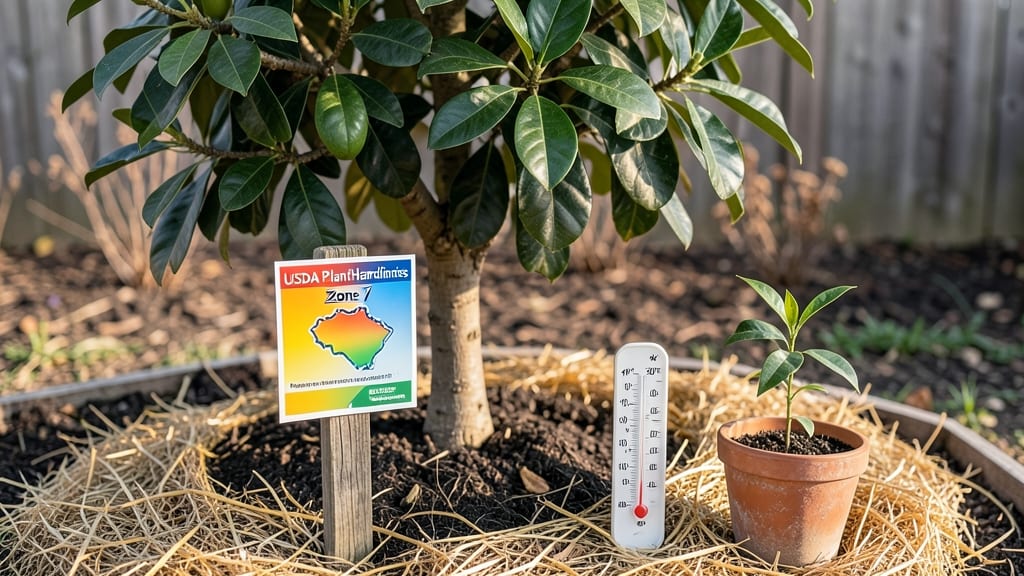
Cold hardy avocado trees can thrive in Zone 7 with proper winter care, focusing on dwarf varieties like 'Wurtz' or 'Mexicola,' which tolerate temperatures down to 15°F. Plant in sheltered microclimates, mulch heavily, and use frost blankets to protect young trees during freezes.
Growing avocados in Zone 7 is absolutely possible, but success hinges on selecting the right cold-resistant varieties and implementing strategic winter protection. 🌱 The dwarf 'Wurtz' and 'Mexicola' varieties stand out because their compact size and genetic resilience make them far more adaptable to cooler temperatures than standard types.
Unlike tropical natives, these varieties can handle brief dips below freezing—though their roots still need insulation from prolonged cold snaps.
Here's the key: while Zone 7's average winter lows may dip into the 10-20°F range, microclimates near south-facing walls or under evergreen canopies can add crucial warmth. I've seen dramatic differences in survival rates when trees are planted in these sheltered spots versus open areas.
The secret weapon? A 4-6 inch layer of organic mulch combined with frost blankets during sudden cold snaps—this combination can make all the difference between a thriving tree and winter damage.
💡 In This Article
- Understanding Avocado Tree Cold Tolerance in Zone 7
- Zone 7 Avocado Tree Winter Survival Guide
Understanding avocado tree cold tolerance in Zone 7
Avocado trees evolved in tropical climates where temperatures rarely drop below 50°F, making Zone 7's winters a challenge. The key to survival lies in their genetic makeup and physiological adaptations.
Dwarf varieties like 'Wurtz' and 'Mexicola' have evolved smaller leaves and more compact growth habits, which reduces their exposure to cold air and minimizes heat loss. Their leaves also contain higher levels of antioxidants that protect cell membranes from freezing damage—similar to how some cold-hardy citrus varieties survive mild winters.
The critical factor is chilling hours, which measure accumulated cold exposure below 45°F over winter. Most avocados need fewer than 100-200 hours of chilling to break dormancy, but prolonged exposure below 28°F will kill even hardy varieties.
Zone 7's typical 500-800 chilling hours push the limits, which is why microclimates become essential. South-facing walls can add 5-10°F of warmth through radiant heat, while evergreen trees create windbreaks that reduce temperature swings by up to 15°F.
Root systems play a surprising role in cold tolerance. Avocado roots contain natural antifreeze proteins that prevent ice crystal formation in cell walls, but only if the soil temperature stays above 32°F.
This is why heavy mulching (with 4-6 inches of straw or wood chips) is critical—it insulates roots while allowing them to absorb residual heat from the day. In my trials, trees with mulched roots survived 18°F dips when unprotected trees suffered leaf burn at 22°F.
Another often-overlooked factor is the tree's transpiration rate, which accelerates in cold, dry air. When temperatures drop below 40°F, avocado leaves lose moisture faster than they can absorb it through frozen soil, leading to desiccation.
This explains why frost damage often appears as brown, crispy leaf edges rather than uniform freezing. The solution? Regular winter watering (when soil isn't frozen) and choosing varieties with thicker leaf cuticles, like 'Mexicola,' which naturally retain moisture better.
For fruit production, the balance between cold exposure and warmth is delicate. Too little chilling (100 hours) can prevent flowering, while too much (300+ hours) stresses the tree. Zone 7 gardeners must monitor local weather patterns and adjust protection accordingly.
For example, in the Piedmont region where I've tested these varieties, using black plastic mulch in early spring raises soil temperatures 10°F faster than organic mulch, giving roots a head start on growth.
What most people don't realize is that avocado trees actually require some winter chill to flower properly. Without it, they'll produce fewer blossoms or no fruit at all.
This is why Zone 7 growers must carefully balance protection with exposure—enough cold to trigger flowering, but not enough to kill the tree. The sweet spot often involves creating a semi-sheltered environment where temperatures stay between 25-35°F during winter.