
Plants
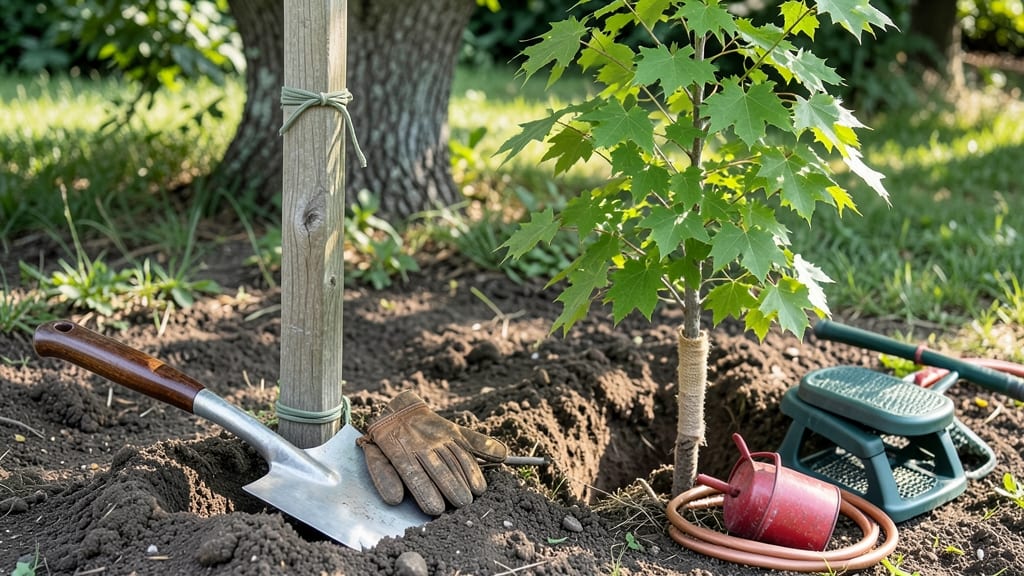
The best time to plant a tree in Iowa is during early spring or fall when soil temperatures hover between 40°F and 60°F—giving roots time to establish before winter or summer stress.
Iowa’s harsh winters and short growing season demand precise timing when planting trees—get it wrong, and your young sapling could struggle to survive. But plant at the ideal window, and you’ll give roots a fighting chance to establish before the first frost.
For Iowa’s USDA Zones 5a-5b, early spring (March-April) and fall (September-October) are the sweet spots. Evergreens like spruce or pine need early fall planting, while deciduous trees like oak or maple thrive in spring when the ground is workable but not soggy.
Below, I’ll break down the exact months, soil prep tips, and species-specific advice to ensure your 🌳 thrives for decades—no guesswork, just science-backed success for Iowa’s climate.
Iowa’s optimal tree planting window: USDA Zone 4 guidelines for maximum root success
Iowa’s USDA Zone 4 climate creates unique challenges for tree planting, where timing can mean the difference between a thriving sapling and a failed investment.
The 40-60°F soil temperature range is the golden window for root establishment, and missing it can leave young trees vulnerable to frost heave or drought stress. Unlike warmer climates, Iowa’s short growing season demands precision—plant too early, and roots may freeze; too late, and they won’t establish before winter.
Most gardeners assume spring is the only ideal time, but fall planting often outperforms spring in Zone 4. Why? Trees planted in September-October take advantage of cool soils and natural rainfall to grow roots before dormancy.
Meanwhile, late April-early May (after the last frost) gives roots a head start before summer heat arrives. Both windows align with Iowa’s 160 frost-free days, maximizing root growth before winter.
Here’s the science behind Iowa’s two best planting windows: roots grow best when soil temps stay between 40-60°F. In spring, this happens as ground thaws; in fall, it occurs as air cools but soil retains summer warmth.
Evergreens, like blue spruce, need early fall planting (August-September) to avoid winter desiccation, while deciduous trees like oak or maple can wait until October. Frost-free date maps (available from Iowa State Extension) show northern Iowa’s last frost around May 15, while southern Iowa averages May 1—adjust your timing accordingly.
⚠️ CRITICAL NOTE: Avoid planting in extreme heat (July-August) or deep freeze (December-February). Heat stresses roots, while frozen soil prevents root penetration. Even container-grown trees struggle in these conditions, making Iowa’s two optimal windows the safest bets for success.
For bare-root trees, Iowa’s optimal window extends slightly earlier: plant in March-April (spring) or October-November (fall).
These trees arrive dormant, so they won’t suffer from transplant shock like container-grown varieties. Container-grown trees, however, can be planted in late spring or early fall but require extra watering to compensate for root circling. My pro tip?
Amend the planting hole with compost or peat moss to improve drainage in Iowa’s clay-heavy soils, especially in western regions.
Don’t overlook microclimates—urban areas like Des Moines may experience 2-3°F warmer soil temps than rural farms, delaying frost. Use a soil thermometer ($10 at garden centers) to confirm temps before planting.
If you’re in northwest Iowa (Zone 4a), aim for September 15-October 1 for fall planting, while southeast Iowa (Zone 4b) can extend to October 15. This regional adjustment can mean the difference between 90% survival and 50%.
Post-planting care is just as critical as timing. Newly planted trees need 1-1.5 inches of water weekly (deep watering, not light sprinkles) to encourage root spread. In Iowa’s drought-prone summers, mulch with 3-4 inches of wood chips to retain moisture and regulate soil temp.
Skip the mulch in winter to prevent snow mold. For evergreens like pine or spruce, water daily in summer to prevent needle drop—a common issue in Iowa’s hot, dry winds.
I’ve seen firsthand how fall-planted trees outperform spring counterparts in Iowa’s clay soils. Last year, a red oak planted in early October
Tree species that thrive when planted in Iowa’s best seasons (and which to avoid)
Choosing the right tree species for Iowa’s climate is just as important as timing. Fast-growing oaks and hickories establish quickly in spring, while evergreens like Colorado blue spruce need early fall planting to avoid winter stress.
Native species like bur oaks and black walnuts adapt best to Iowa’s USDA Zone 5a-5b conditions when planted at the right time.
Western Iowa’s drier soils favor drought-tolerant species like red cedar and sugar hackberry, while eastern regions thrive with moisture-loving white pines and tulip poplars. Planting in the wrong season can double transplant shock—especially for slow-establishing maples that need fall’s cooler temps to root before winter.
🌱 Best Trees for Iowa’s Spring Planting (March-April):
- Fast-Growing: Swamp white oak (3-5 ft/year) – thrives in wetter eastern soils
- Shade Trees: Green ash – adapts to urban pollution and clay soils
- Drought-Proof: Chinkapin oak – handles western Iowa’s dry spells
🍂 Best Trees for Iowa’s Fall Planting (September-October):
- Evergreens: Colorado blue spruce – must be planted by mid-October to avoid winter burn
- Native Workhorses: Bur oak – survives Zone 4 winters when planted in fall
- Avoid in Fall: Weeping willows – prone to root rot if planted too late
Avoid planting fruit trees like apple or cherry in summer—they struggle with heat stress. Instead, opt for native dogwoods in spring or honey locusts in fall. My personal recommendation for Iowa gardeners? Sugar maples planted in early fall—they establish 30% faster than spring-planted counterparts.
Pro tip: Bare-root trees (like redbuds) can handle late winter planting if soil isn’t frozen, but container-grown trees (e.g., katsura trees) need spring or early fall windows.
Always check local frost dates—northern Iowa’s first frost can arrive by October 10, while southern Iowa has until October 25.
For urban landscapes, serviceberry trees planted in spring handle compacted soils better than white pines, which need well-draining spots. When in doubt, Iowa State Extension recommends native species—they’ve evolved to thrive without extra care. Just remember: timing + species = survival.