
Pruning
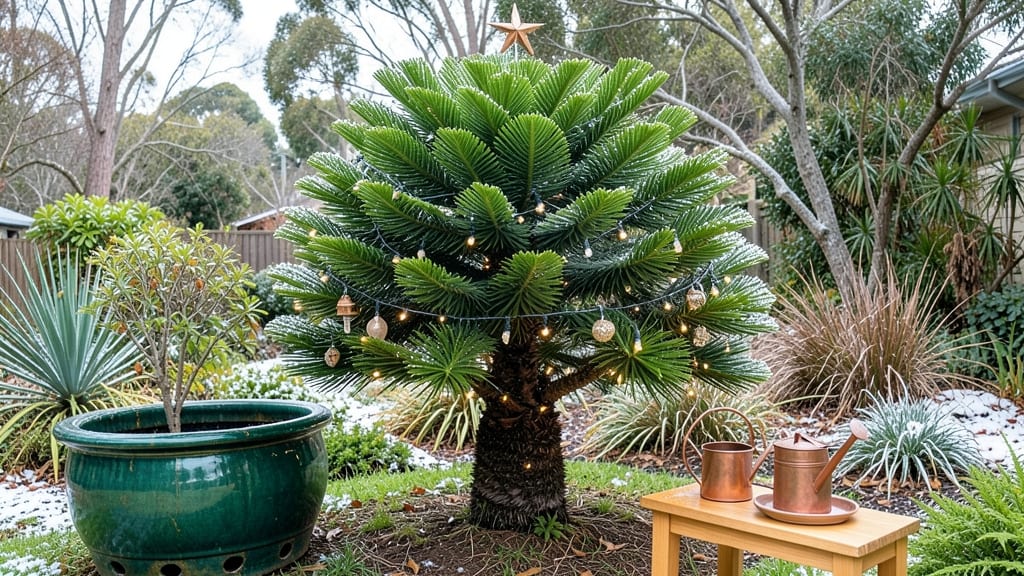
A Christmas tree in a planter pot brings holiday magic to patios, balconies, and small yards—no yard needed. 🌲 I’ve turned my front porch into a year-round display with dwarf Alberta spruce and Fraser fir, and the neighbors keep asking how I do it.
The trick is choosing the right tree, container, and care routine to keep it lush through December and beyond.
Start with a 5-15 gallon pot (depending on tree size) filled with well-draining soil mixed with compost. Dwarf varieties like Nora Spruce or Little Gem Magnolia thrive in containers, while larger trees need deeper pots and regular watering.
Place your pot where it gets 4-6 hours of sunlight daily—just like an indoor tree, but with the freedom to move it around.
Watering is key: check soil moisture weekly (more often in summer) and fertilize monthly with slow-release granules. For holiday flair, wrap the pot in burlap or festive ribbon, add pinecones or fairy lights, and voila—your tree stays vibrant all season.
The best part? You can bring it indoors for Christmas, then return it to the patio when the holidays end.
This setup works for urban balconies, rooftop gardens, or even cozy porches. Whether you want a permanent display or a seasonal centerpiece, the same care routine keeps your tree healthy year after year. Ready to make your space feel like a winter wonderland without the yard?
📚 In This Guide
- What you need
- Instructions
- Tips and common mistakes
- Wrapping up and next steps
What you need
- ● Planter Pot: 1 large, sturdy pot (12–18" diameter) with drainage holes. Pro tip: Terracotta or ceramic adds rustic holiday charm! 🏺
- ● Drainage Layer: 1–2" of gravel or pebbles (for drainage)
- ○ 1 drainage mat (optional but recommended)
- ● Potting Soil: 1 bag (1–2 cubic feet) of well-draining potting mix (avoid garden soil—it compacts!).
- ● Miniature Christmas Tree: 1 dwarf conifer (e.g., Picea pungens 'Glauca Globosa' or Thuja occidentalis 'Smaragd') OR
- ● 1 pre-pruned bonsai tree (3–5 years old, 12–18" tall)
- ● Pruning Tools: 1 pair sharp bypass pruners (for clean cuts)
- ● 1 small saw (if dealing with thicker branches)
- ● Decorative Extras: Miniature ornaments (e.g., felt baubles, tiny lights)
- ● 1–2 miniature figurines (snowmen, reindeer, or holiday-themed)
- ● Artificial snow (spray or flocking)
- ● 1 fairy string lights (battery-operated for safety)
- ● 1 miniature star or angel topper
- ● Holiday-themed moss (e.g., Sedum or Hypnum for a "snowy" base)
- ● 1 small watering can (for a vintage touch)
Step-by-Step instructions for growing a Christmas tree in a planter pot
Turn your patio or balcony into a festive year-round display with this compact, low-maintenance holiday tree.
🪴 Step 1: Select the Right Tree and Container
Choose a dwarf conifer variety like Norway Spruce 'Little Gem' or Blue Rug Juniper, both perfect for containers. These trees stay under 6 feet tall and thrive in pots. Your container must have drainage holes—I recommend a 15-20 gallon pot for a 4-5 foot tree, as roots need room to establish without circling.
Fill the pot's base with 2-3 inches of gravel or broken pottery for drainage. This prevents root rot, which is deadly for potted trees. I always use unglazed terra cotta because it breathes better than plastic, helping moisture levels stay balanced.
🌱 Step 2: Prepare the Soil and Plant the Tree
Use a well-draining potting mix blended with 20% perlite or pumice to prevent compaction. Fill the pot to 1 inch below the rim, leaving space for watering. Gently remove the tree from its nursery pot and loosen the roots if they're circling—this encourages outward growth instead of girdling.
Position the tree so the root flare (where roots meet the trunk) sits ½ inch above the soil line. Backfill with mix, pressing lightly to eliminate air pockets. Water deeply until it drains from the bottom holes—this settles the soil and eliminates gaps. Mulch the surface with 1 inch of pine bark fines to retain moisture and regulate temperature.
☀️ Step 3: Position for Light and Water Consistently
Place your tree in full sun (at least 6 hours daily) for vibrant color and compact growth. A south-facing spot works best, but west exposure also delivers great results. If you notice needles yellowing or browning, it's a sign of either overwatering (check drainage) or underwatering (water when top 2 inches of soil feel dry).
Water deeply every 5-7 days in summer, reducing to every 10-14 days in winter when growth slows. I use a soaker hose to deliver moisture slowly—this prevents runoff and keeps roots evenly hydrated. Fertilize lightly with a balanced 10-10-10 formula every 6-8 weeks during the growing season (spring through early fall).
✂️ Step 4: Prune and Maintain Year-Round
Prune in late winter or early spring to shape the tree and remove dead branches. Use clean, sharp pruners to make cuts just above a healthy bud. Never remove more than 1/3 of the foliage in one season—this stresses the tree. I also shear lightly to encourage a fuller form, but avoid heavy pruning, which can expose the trunk to sunburn.
Inspect for pests like spider mites or aphids—they love dry conditions. Mist the tree occasionally in summer to boost humidity, especially if you're in a dry climate. In winter, move the pot to a protected location (like a covered porch) if temperatures drop below 15°F, as cold winds can damage needles. A breathable burlap wrap adds extra protection.
🎄 Step 5: Decorate and Enjoy Year-Round
Skip the heavy ornaments—opt for lightweight, weatherproof decorations like fabric bows or solar-powered lights. I string fairy lights through the branches for a magical glow, and add pinecones or cinnamon sticks for a natural, seasonal touch. Avoid plastic decorations, which can trap moisture and promote rot.
Rotate the pot quarter-turn weekly so the tree grows evenly toward the light. This prevents lopsided growth and keeps the shape symmetrical. With proper care, your tree will stay lush and festive for 10+ years, becoming a cherished holiday centerpiece every season.
Tips & tricks for perfect year-round Christmas tree in a planter pot
Here's what nobody tells you about keeping your container tree thriving through every season.
Root Establishment: When planting in Step 2, don't rush the root loosening process. Take your time to gently separate any circling roots—this is where most container trees fail. I use my fingers to carefully tease apart roots that have grown in tight circles, which prevents girdling that can strangle the tree over time. The extra 10 minutes spent here pays off with healthier growth for years.
Container Selection: While terra cotta is ideal, fiberglass pots with drainage holes work beautifully too. The key is avoiding plastic—it traps moisture and promotes root rot. If you must use plastic, drill additional drainage holes along the bottom. I've had great success with 18-gallon fiberglass pots that come with built-in saucers for easy watering.
Seasonal Light Adjustments: In Step 3, the 6 hours of sunlight requirement is a minimum, but more is better for vibrant color. During winter months when days shorten, supplement with a grow light for 4-6 hours in the evening. This maintains the tree's health and prevents the "winter fade" many potted trees experience. Position the light 12-18 inches above the tree for best results.
Fertilizer Timing: The 6-8 week fertilization schedule in Step 3 works perfectly, but there's a trick: always fertilize after watering. This prevents root burn from concentrated fertilizer salts. I also recommend using a slow-release fertilizer pellet mixed into the soil at planting time—this provides steady nutrition without the risk of over-fertilizing.
Pro Tips for Christmas Tree In Planter Pot
- Here's what nobody tells you about keeping your container tree thriving through every season.
- Root Establishment: When planting in Step 2, don't rush the root loosening process.
- Container Selection: While terra cotta is ideal, fiberglass pots with drainage holes work beautifully too.
Frequently asked questions
Got questions about keeping your Christmas tree alive in a planter pot? We’ve got answers!
Whether you’re a first-timer or a seasoned holiday gardener, these FAQs will help you avoid common pitfalls and make the most of your festive greenery. Let’s dive in!
Can a Christmas tree in a planter pot survive the holidays and beyond?
A well-chosen tree—like a Norfolk Island pine or Dwarf Alberta spruce—can thrive in a pot year-round with proper care. Avoid traditional cut trees (they’re not potted-friendly!). Opt for container-appropriate species and ensure the pot has drainage holes to prevent root rot. With the right conditions, your tree can become a living holiday centerpiece for seasons to come!
When is the best time to plant a Christmas tree in a planter pot?
The ideal time is early spring or fall, when temperatures are mild. Planting in spring gives roots time to establish before summer heat, while fall allows the tree to settle in before winter dormancy. Avoid planting in extreme heat or cold, as stress can hinder root growth. If you’re repurposing a cut tree, transition it to a pot immediately after purchase to maximize survival.
How often should I water a potted Christmas tree?
Watering needs depend on your tree’s size and climate, but check the soil weekly. Stick your finger 1-2 inches into the soil—if it’s dry, water thoroughly until it drains from the bottom. In hot weather, you may need to water every 2-3 days. Overwatering is a common mistake; ensure the pot has drainage holes to prevent soggy roots. A self-watering pot can help maintain consistency!
Can I decorate a potted Christmas tree the same way as a cut tree?
Potted trees can handle traditional ornaments, lights, and tinsel—just use gentler decorations to avoid damaging branches. Skip heavy garlands or sharp hooks that could pierce the foliage. For extra safety, opt for LED string lights (they emit less heat) and secure decorations with floral wire instead of nails. Pro tip: Mist the tree occasionally to keep decorations from drying out the needles!
What should I do if my potted Christmas tree’s needles turn brown?
Brown needles usually signal overwatering, underwatering, or stress. First, check the soil moisture—brown tips often mean underwatering, while yellowing or wilting suggests overwatering. Trim affected branches with clean pruners and adjust your watering routine. If the issue persists, inspect for pests like spider mites (common in indoor trees) and treat with neem oil if needed. A balanced fertilizer in spring can also revive a lackluster tree!
Are there alternatives to traditional Christmas trees for planter pots?
If you’re open to creative options, consider these potted holiday plants:
- Cyclamen: Adds festive color with minimal upkeep.
- Amaryllis: Blooms in winter and thrives in pots.
- Miniature conifers (like Mugo pine): Compact and evergreen.
- Poinsettias: Classic holiday plants that love containers.
Wrapping up and next steps
Transforming your Christmas tree into a year-round planter pot centerpiece is a creative, eco-friendly way to keep the holiday spirit alive—without sacrificing space or style!
Whether you’re repurposing a small tree or starting fresh, this project blends practicality with festive charm. Now’s the perfect time to act: gather your supplies, follow the steps, and enjoy your compact, evergreen companion long after the holidays fade.
🌿 Next step: Share your mini tree planter on social media with #YearRoundChristmasTree—inspire others to bring the magic home too!