
Planting
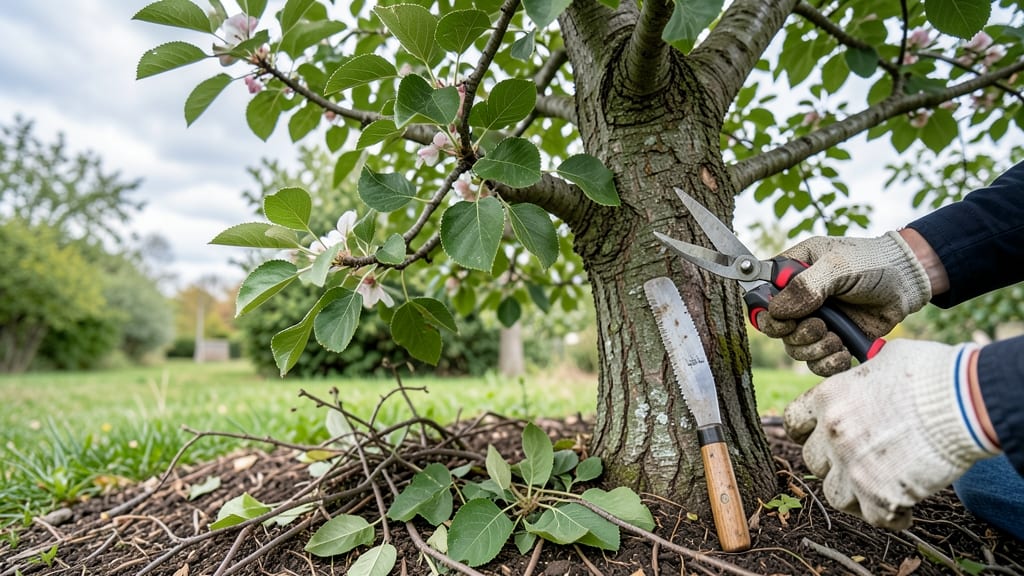
You can prune an apple tree in summer only during late summer (after harvest) to prevent stressing the tree, inviting pests, or encouraging tender new growth that won’t survive winter. Always use sharp tools and properly seal cuts to promote healing.
Summer pruning is a high-stakes move for apple trees because their growth cycle accelerates during warm months, making them vulnerable to disease and pests when wounds don’t heal properly. 🌳 The key window opens after harvest—typically August to early September—when the tree has finished fruiting and can focus on hardening new growth before winter.
I’ve seen many gardeners skip summer pruning entirely to avoid these risks, opting instead for late-winter or early-spring cuts when the tree is naturally dormant.
If you must prune in summer, focus on removing only dead, diseased, or crossing branches—never more than 25% of the canopy. Use sterilized pruning shears and seal cuts larger than ½ inch with pruning sealant to prevent bacterial infections.
The goal is minimal intervention: think of it as a last-resort maintenance task rather than a shaping opportunity.
💡 In This Article
- Why Summer Pruning Damages Apple Trees
- Safe Summer Pruning Techniques for Apple Trees
Why summer pruning damages apple trees
Apple trees enter a high-risk period during summer because their sap flow increases dramatically as temperatures rise, creating an open invitation for pests and diseases.
Unlike winter pruning, when the tree is dormant and can heal wounds quickly, summer cuts expose fresh wood that takes 4-6 weeks to callus over—plenty of time for fungal spores (like Valsa canker) or borers to invade.
The tree’s natural defenses, like resin production, are also less effective in summer heat, leaving wounds vulnerable to infection.
New growth stimulated by summer pruning is another major concern. Shoots that sprout after a cut in July or August won’t have time to harden off before winter, making them susceptible to frost damage.
These tender branches also struggle to store enough carbohydrates for next year’s growth, weakening the tree’s overall vigor. 🌿 Think of it like cutting your hair in July: the new growth won’t be strong enough to survive winter winds and cold snaps.
The timing of summer pruning matters because it disrupts the tree’s dormancy cycle. Apple trees naturally prepare for winter by slowing growth and redirecting energy to root development.
Summer cuts force the tree to divert resources to healing wounds instead of storing nutrients, which can lead to reduced fruit production the following season. This is why professional arborists recommend avoiding summer pruning unless absolutely necessary.
Pests like apple sawfly larvae and codling moths also exploit summer-pruned trees. Fresh cuts release volatile organic compounds that attract these insects, creating a feedback loop where pruning begets more damage.
The tree’s bark becomes softer in summer, making it easier for pests to burrow in—something that rarely happens during the tree’s dormant winter months when bark is tougher and less appealing to invaders.
Even if you prune correctly in summer, the tree’s root system suffers from the stress. Roots absorb water and nutrients more aggressively during warm months, and pruning diverts energy away from this critical process.
Studies show that apple trees pruned in summer can experience a 15-20% reduction in root growth compared to those pruned in winter, directly impacting their ability to uptake water and nutrients during the next growing season.
Consider this: A ½-inch diameter branch removed in July creates a wound that’s three times more likely to develop canker disease than the same cut made in February. The difference comes down to the tree’s physiological state—summer is when apple trees are most active, not most resilient. 🌱