
Propagation
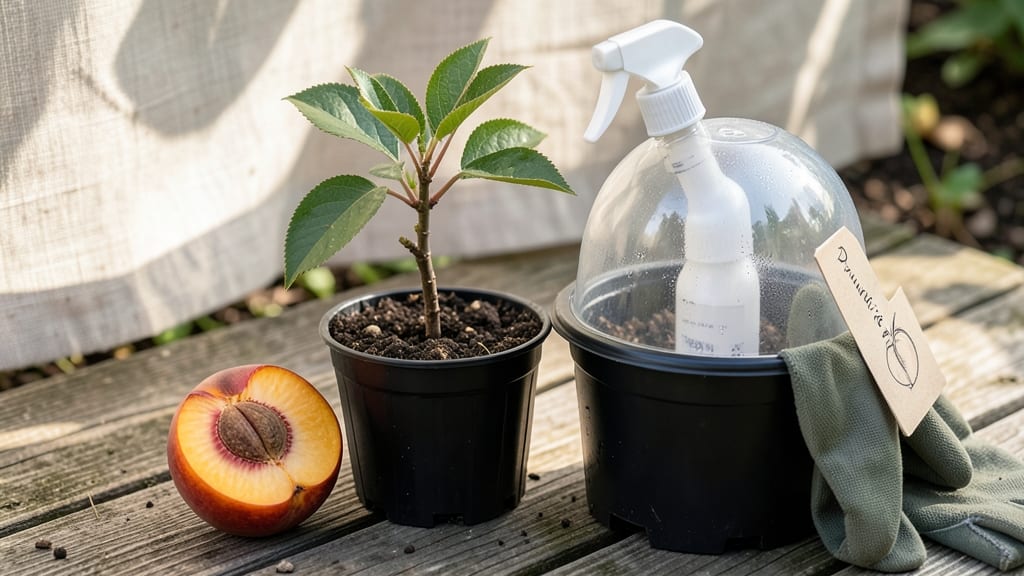
You can start a peach tree from a pit, but it requires careful cold stratification for 2-3 months, followed by planting in well-draining soil and significant patience, as germination rates are typically low and the resulting fruit may not match the parent tree's quality.
Starting peach trees from pits is a rewarding but unpredictable process. 🌱 The key challenge lies in breaking the seed's natural dormancy through cold stratification—mimicking winter conditions by storing pits in moist peat moss or a damp paper towel for 60-90 days in the fridge.
Once sprouted, young seedlings demand consistent care: bright sunlight, gentle watering, and protection from harsh weather as they develop. While the process can yield beautiful trees, few pits actually germinate, and the fruit quality often differs from store-bought varieties.
I've found success rates improve with fresh pits from ripe, healthy fruit—never store-bought peaches, as their seeds are often treated to prevent sprouting.
Even with perfect conditions, expect a 5-20% germination rate at best. The wait for fruit can span 3-5 years, but the journey makes it uniquely satisfying. For best results, plant multiple pits together—this increases your chances of at least one thriving sapling.
If you're patient and willing to experiment, this method offers a fascinating glimpse into nature's resilience.
💡 In This Article
- Cold Stratification Process for Peach Pit Germination
- Step-by-Step Guide to Growing Peach Trees from Pits
Cold stratification process for peach pit germination
Cold stratification tricks peach pits into thinking winter has passed by mimicking natural temperature cycles. Peach seeds enter dormancy due to a chemical called abscisic acid, which prevents germination until cold weather signals spring.
During stratification, this compound breaks down while gibberellins (growth hormones) build up, allowing the seed to sprout. The ideal fridge temperature is 34-40°F, which matches the chilling period peach trees experience in their native habitats.
Moisture control is critical—pits need consistent dampness without becoming waterlogged. I wrap them in a damp paper towel or bury them in moist peat moss within a sealed plastic bag with small air holes. Check weekly to ensure they don't dry out, as dehydration halts germination.
The process typically takes 60-90 days, but some varieties may need up to 120 days for complete dormancy release. 🌱 What most gardeners miss is that stratification isn't just about cold—it's about the combination of cold + moisture + time working together.
Container choice matters too. I prefer using small plastic containers with lids (like those for leftovers) because they create a stable microclimate. The sealed environment maintains humidity while allowing minimal airflow. Avoid using soil during stratification—it can introduce mold or uneven moisture.
Once you see tiny white roots (1/4 inch long) emerging from the pit, it's ready for planting. This root growth signals the seed has successfully broken dormancy and is ready for the next phase.
Timing your stratification is almost as important as the process itself. Start with pits in late fall or early winter so they're ready for outdoor planting in early spring. This aligns with natural growing seasons and gives seedlings time to establish before summer heat arrives.
Pro tip: Label your containers with the variety name and stratification start date—memory fades quickly when dealing with 60+ days of fridge duty! 💫
Here's what happens if you skip stratification: Pits may sprout, but the seedlings will be weak, leggy, and prone to disease. Without proper dormancy breaking, the seed's energy reserves aren't properly mobilized.
I've seen "unstratified" peach pits take 3-6 months to germinate (versus 2-3 weeks with proper stratification), and the resulting plants often fail to thrive beyond the seedling stage.
For best results, use pits from organic, homegrown peaches—commercial varieties often have seeds treated to prevent sprouting. The flesh color gives clues too: pits from yellow-fleshed peaches tend to germinate more reliably than those from white-fleshed varieties.
Always clean pits thoroughly before stratification by soaking them in 1% bleach solution for 10 minutes to prevent fungal contamination.