
Plants
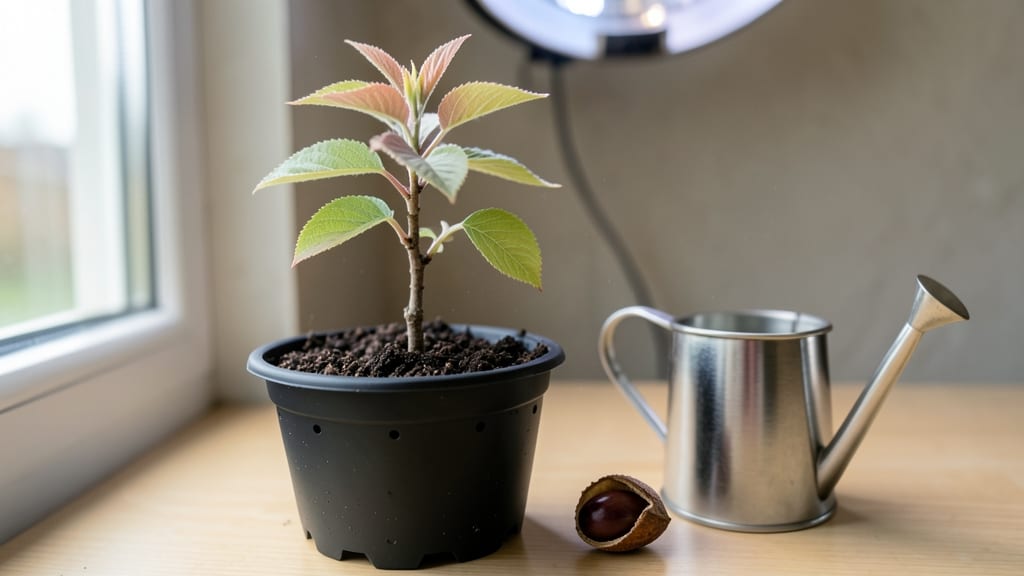
You can plant a cherry tree from a cherry pit, but success depends on patience and proper technique: germination rates hover around 1-5%, and the resulting tree may not bear fruit identical to the parent. Sprouts typically emerge in 4-8 weeks, while full maturity takes decades. Stratification and ideal growing conditions are essential for breaking dormancy.
Growing a cherry tree from a pit is more of an experiment than a guaranteed outcome. 🌱 The low germination rate stems from nature's built-in dormancy period—cherry pits need cold stratification to simulate winter conditions before they'll sprout.
I've found that tart cherries often outperform sweet varieties in this process, though neither guarantees success. Once sprouted, young trees require consistent moisture and protection from harsh elements during their vulnerable early years.
The real magic happens in the soil. Cherry seeds thrive in well-draining mixes with a pH between 6.0-7.0, and maintaining 60-70°F temperatures accelerates germination. What's fascinating is how these tiny pits contain an entire tree's genetic potential—though only a fraction will ever reach fruiting age.
For best results, plant multiple pits together and be prepared for a decade-long wait before potential harvests.
💡 In This Article
- Cherry Pit Germination Science and Success Factors
- Step-by-Step Cherry Pit Planting Guide for Gardeners
Cherry pit germination science and success factors
The biological process behind cherry pit germination begins with dormancy—a natural survival mechanism that prevents seeds from sprouting in unfavorable conditions. Cherry pits contain high levels of cyanogenic glycosides, compounds that release cyanide when damaged, which deters animals from eating them prematurely.
This chemical defense also creates a hard, impermeable seed coat that blocks water absorption, forcing the seed to remain dormant until conditions are ideal. 🌱
For germination to occur, cherry pits must undergo stratification, a cold treatment that mimics winter's natural chilling period. Tart cherries typically require 60-90 days at 34-40°F, while sweet cherries may need up to 120 days.
During this time, the seed coat softens and internal enzymes activate, breaking down stored nutrients. The key difference between varieties is their genetic hardiness—tart cherries often germinate more reliably because their wild ancestors evolved in harsher climates than cultivated sweet cherries.
Once stratified, successful germination depends on precise environmental conditions. The soil must maintain 60-70°F temperatures and 40-60% moisture content—too dry, and the seed won't absorb water; too wet, and it risks rotting.
Light exposure plays a subtle but critical role: cherry seeds need minimal light (1-2 hours daily) to trigger germination hormones, but direct sunlight can overheat the soil. This explains why many gardeners fail—they either plant pits too deeply (blocking light) or in unstable moisture conditions.
The low 1-5% germination rate also stems from genetic variability. Even within the same fruit, pits may have different viability due to fertilization timing during flowering. For example, cherries pollinated later in the season often produce less viable seeds.
What's fascinating is how these tiny pits contain an entire tree's blueprint—yet only a fraction will ever complete the journey from seed to sapling due to these biological hurdles. 💫
Here's what happens when conditions align perfectly: The radicle (root) emerges first, followed by the shoot within 4-8 weeks. At this stage, the young seedling relies entirely on its cotyledons (seed leaves) for nutrients until true leaves develop.
The real challenge begins when gardeners must transition these delicate sprouts to outdoor conditions—a process that often claims more seedlings than poor germination ever did.
One common misconception is that all cherry pits are equal. In reality, tart cherries (Prunus cerasus) germinate more reliably than sweet cherries (Prunus avium) because their seeds have evolved with greater hardiness.
For instance, Montmorency tart cherries often achieve 3-7% germination rates under ideal conditions, while Bing sweet cherries rarely exceed 1-3%. This genetic difference explains why old family recipes for cherry pit propagation frequently emphasize tart varieties.
The entire process reveals nature's intricate balance: cherry trees invest heavily in seed survival through dormancy and chemical defenses, but only a tiny fraction will ever reach maturity.
For gardeners, this means embracing the experiment—planting multiple pits increases your odds, and even a single successful sprout can yield a tree that, with decades of care, might just produce fruit. The real reward lies in understanding how these tiny pits contain the potential for an entire ecosystem. ✨