
Pests and Diseases
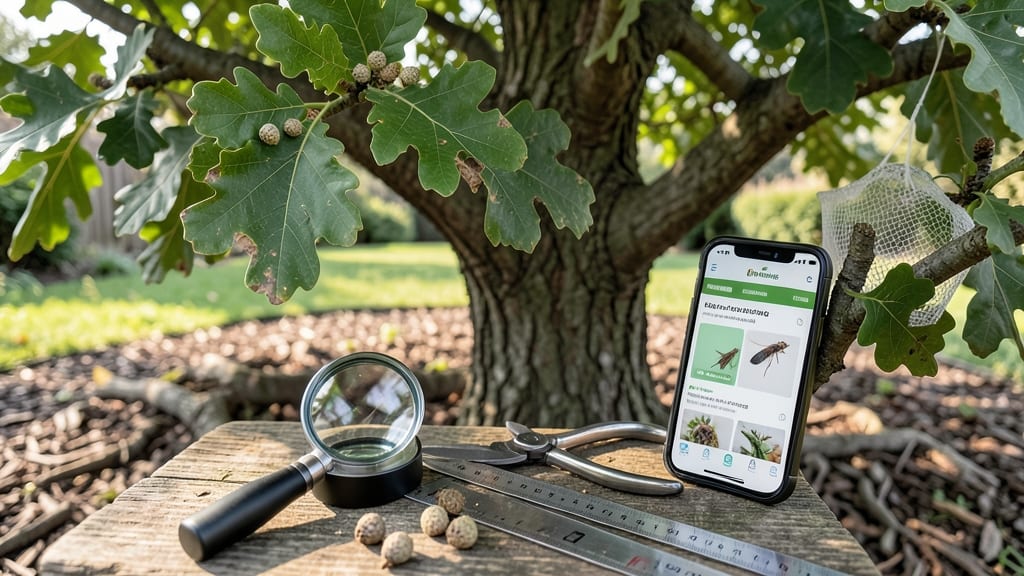
Those weird bumps on the oak tree leaves aren’t just odd—they’re gall wasps doing their thing. 🌿 I’ve spent years watching these tiny insects turn healthy foliage into lumpy, swollen growths, and I’ll show you how to spot them, understand the damage, and whether your tree’s health is truly at risk.
Most gall wasps are harmless to the tree itself, but a heavy infestation can stress your oak by diverting energy away from roots and branches. The bumps—whether smooth oak apples or spiky leaf galls—are actually the wasps’ nurseries, not a sign of disease.
Still, they look alarming, especially when they cover entire branches.
The good news? You can prune heavily infested branches in late winter (before wasps emerge) or simply ignore them if the tree stays strong. For stubborn cases, a horticultural oil spray in early spring stops new galls from forming without harming the tree.
This isn’t a fight you need to win—just a quirky part of oak tree life. Let’s break down what’s really going on and how to keep your tree thriving.
Root Causes Of Leaf Bumps
When you spot those odd bumps on oak tree leaves, it’s often a sign that something—usually tiny but mighty—is altering your tree’s natural growth. These bumps, called galls, are rarely harmful to the tree itself but can signal an infestation or environmental stress.
Let’s break down the most common reasons why oak leaves develop these unusual lumps, so you can identify the culprit and take action.
Gall wasps are the most frequent culprits behind those pesky bumps. These tiny insects—often no bigger than a pinhead—lay eggs on oak leaves, stems, or buds. When the larvae hatch, they trigger the tree to produce abnormal growths (galls) around them as a defensive response.
The tree essentially "walls off" the intruder, creating a safe haven for the wasp’s development.
Key signs to look for:
- Round, raised bumps (often hairy or spongy to the touch)
- Common locations: Leaf undersides, leaf veins, or leaf edges
- Timing: Galls typically appear in spring or early summer when wasps are most active
💡 Pro Tip: Don’t confuse gall wasps with other pests—these galls are usually solid and don’t fall off easily, unlike some fungal infections.
While less common than wasp galls, certain fungi can also cause bumps or lesions on oak leaves. Fungal infections thrive in wet, humid conditions and often appear as powdery, scaly, or crusty growths rather than smooth bumps.
Unlike gall wasps, fungi don’t rely on the tree’s growth to survive—they feed on leaf tissue directly.
How to tell if it’s fungal:
- Color variations: Yellow, brown, or black spots with a fuzzy or powdery texture
- Leaf drop: Infected leaves may wither or fall prematurely
- Environmental clues: Poor air circulation or overwatering can worsen outbreaks
🌡️ Watch for: If the bumps feel damp or ooze a liquid, it’s likely a fungal issue—not a gall wasp.
Not all bumps are caused by pests or diseases. Sometimes, oak trees develop abnormal growths due to physical stress, such as extreme heat, drought, or nutrient deficiencies. These galls are usually smaller, less defined, and may appear alongside other stress symptoms like yellowing leaves or stunted growth.
Common stress triggers:
- Drought or overwatering – Disrupts normal cell development
- Poor soil quality – Lack of nitrogen, phosphorus, or potassium
- Mechanical damage – Scratches or bruises from tools or wildlife
✨ Quick Fix: If stress is the cause, focus on improving soil health, watering consistently, and pruning damaged branches to encourage recovery.
While gall wasps are the top offenders, other insects—like aphids, mites, or scale insects—can also cause leaf deformities. These pests typically cluster on leaves or stems, leaving behind sticky residue (honeydew) or distorted growth. Unlike wasp galls, these bumps are often softer and more irregular.
How to check for other pests:
- Inspect the leaf undersides for tiny moving insects
- Look for sticky sap on lower leaves (a sign of honeydew)
- Shake branches over a white sheet—falling pests confirm an infestation
🎯 Action Step: If you spot these pests, blast leaves with water or apply neem oil to disrupt their life cycle.
Simple Fixes for Bumpy Oak Leaves
If your oak tree’s leaves are covered in unsightly bumps, don’t panic—most causes are treatable with the right approach. Below, we’ve mapped out practical, step-by-step solutions for the most common culprits, from gall wasps to fungal infections. We’ve also included prevention tips to keep your tree healthy long-term.
Gall wasps are the #1 reason for those pesky bumps. While they’re mostly harmless to the tree, they can make your oak look messy. Here’s how to manage them:
🔥 Remove Affected Growth (Best for Aesthetics)
- When to do it: Late winter or early spring (before wasps emerge) or after galls turn brown (fall/winter).
- How to do it:
- Wear gloves (some galls may irritate skin).
- Snip or twist off galls with pruning shears or your hands (for small clusters).
- Dispose of them in a sealed bag or burn them (if local regulations allow).
- Do NOT compost—wasps can survive and reinfest.
🌿 Natural Deterrents (Prevent Reinfection)
- Neem oil spray (1 tsp neem oil + 1 quart water + a drop of dish soap).
Spray galls and surrounding leaves in early spring and late summer. - Prune for airflow: Thin out dense branches to reduce humidity, making the tree less appealing to wasps. - Encourage predators: Birds like bluebirds and chickadees eat gall wasp larvae. Install a birdhouse nearby!
⚠️ When to Call a Pro
If galls are spreading rapidly or your tree is young/stressed, consult an arborist. Severe infestations may require insecticidal soap (use sparingly, as it can harm beneficial insects).
Fungal bumps (often velvety, powdery, or sunken) thrive in wet conditions. Here’s how to stop the spread:
🍳 Clean Up Debris (First Line of Defense)
- Rake and remove all fallen leaves and infected branches from the base of the tree.
- Dispose of them in the trash—do not mulch or compost.
- Sanitize pruners with rubbing alcohol between cuts to prevent spreading spores.
🌡️ Fungicide Treatment (For Severe Cases)
- Copper fungicide (organic option) or baking soda spray (1 tbsp baking soda + 1 quart water + a few drops of soap).
- Apply in early spring (before new leaves emerge) and after heavy rains.
- Reapply every 2–4 weeks until the issue clears.
🌧️ Improve Tree Health (Prevention)
- Water at the base (avoid wetting leaves) to reduce fungal spores.
- Mulch properly: Use 2–3 inches of wood chips, keeping it 6 inches away from the trunk.
- Prune for sunlight: Thin out branches to improve airflow and dry leaves faster.
Tiny bumps or stippled damage? Spider mites or scale insects might be the culprits. Here’s how to kick them out:
🔪 Blast Them Off (Mechanical Control)
- Strong water spray: Use a hose on a "mist" setting to knock mites off leaves (do this in the early morning).
- Neem oil or insecticidal soap: Spray both sides of leaves (miters hide underneath!). Reapply every 5–7 days for 2–3 weeks.
🐝 Boost Beneficial Bugs (Long-Term Fix)
- Ladybugs and lacewings eat spider mites. Buy them online or plant companion flowers (like dill or marigolds) to attract them.
- Avoid broad-spectrum pesticides—they kill helpful insects too!
🎯 Monitor & Repeat
- Check leaves weekly under a magnifying glass for tiny webs or speckling.
- Repeat treatments if you see new damage.
| Problem | Prevention Hack | When to Do It |
|---|---|---|
| Gall wasps | Prune in late winter to remove old galls | January–February |
| Fungal infections | Apply copper fungicide before rain | Early spring & fall |
| Spider mites | Install a birdhouse for predator birds | Spring–summer |
| General pests | Mulch with cedar chips (natural repellent) | Fall |
Most oak trees recover well with consistent care. Focus on removing the worst offenders, improving airflow, and strengthening the tree’s defenses. Within a season, your oak should look lush and bump-free—and you’ll enjoy its beauty without the stress!
Need a quick reference? Bookmark this guide and check back monthly to adjust treatments as needed. 🌳💚
Frequently asked questions
Are bumps on oak leaves always caused by gall wasps?
Not always! While gall wasps are the most common culprit, bumps can also result from fungal infections, environmental stress (like drought or nutrient deficiencies), or even other insects such as aphids or spider mites. The key is to examine the bumps closely—wasps create solid, rounded growths, while fungi often produce powdery or damp spots.
Will removing the bumps harm my oak tree?
No, in fact, it can help! Pruning off heavily infested branches or individual galls (especially in late winter) reduces the wasp population and improves the tree’s appearance. Just avoid removing more than 25% of the foliage at once to prevent stressing the tree. Always use clean, sharp tools to minimize damage.
Can I use chemical sprays to eliminate the bumps?
Chemical sprays like insecticidal soap or horticultural oil can help, but they should be used sparingly. For gall wasps, a neem oil spray in early spring is often enough. If using chemicals, opt for targeted treatments (like insecticidal soap) and avoid broad-spectrum pesticides, which can harm beneficial insects and disrupt the tree’s ecosystem.
How do I tell if the bumps are from gall wasps vs. a fungal issue?
Gall wasp bumps are usually solid, hairy, or spongy and don’t ooze liquid. Fungal bumps, on the other hand, often feel damp or crusty and may appear alongside yellowing or wilting leaves. If the bumps are sticky or have a fuzzy texture, it’s likely a fungal infection—clean up debris and improve airflow to treat it.
Will my oak tree recover if I don’t treat the bumps?
Most oak trees are resilient and can handle gall wasps or minor fungal issues without intervention. However, severe infestations or stress can weaken the tree over time. Focus on improving the tree’s health—water consistently, mulch properly, and prune for airflow—to help it bounce back naturally.