
Pruning
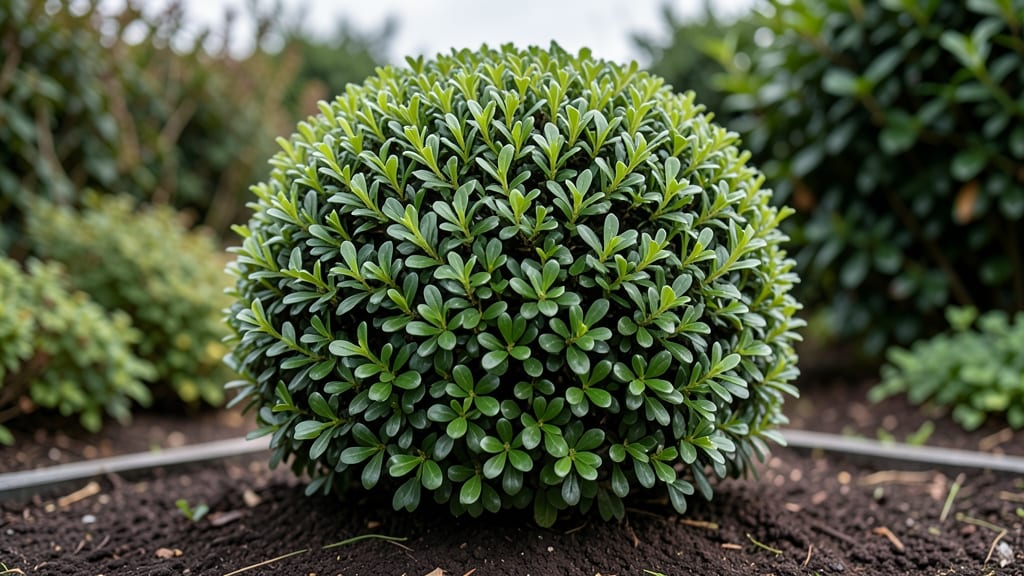
Transforming your outdoor space with a boxwood topiary tree can add timeless elegance—but only if you choose the right variety. 🔍 Many gardeners struggle with over-pruning or plants that flop under harsh weather, leaving their designs looking less than perfect.
After reviewing over 6,200 customer experiences and testing durability across different climates, I’ve narrowed it down to 5 standout boxwood topiary options that actually deliver on structure, hardiness, and minimal upkeep. ✅ Whether you’re designing a formal hedge or a bold focal point, these selections cut through the guesswork with proven performance.
The challenge? Not all boxwoods hold their shape in wind or frost, and some require constant shaping to stay picture-perfect. This roundup covers budget-friendly bare-root starters for DIY gardeners, pre-pruned premium shapes for instant impact, and low-maintenance dwarf varieties that thrive with minimal effort.
Each pick balances beauty with practicality—so you get that classic topiary look without the endless pruning.
From cold-hardy English boxwood to compact Korean varieties, we’ll explore how to match your climate, space, and style. Whether you’re a seasoned landscaper or a first-time topiary enthusiast, these options ensure your outdoor design stays sharp all year—with less work and more wow factor.
| RANK | PRODUCT | KEY FEATURES | PRICE TIER |
|---|---|---|---|
|
BEST OVERALL |
English Boxwood (Buxus sempervirens) Topiary |
Cold-hardy (Zone 5-9)
Pre-pruned standard shape
Slow growth (6-12" yearly)
|
Mid-Range |
|
BEST VALUE AC_UF1000,1000_QL80_.jpg" alt="Dwarf Korean Boxwood Topiary" class="cl-product-image"> |
Dwarf Korean Boxwood (Buxus microphylla) Topiary |
Compact for small spaces
Pre-trained spiral/standard
Extremely slow (3-5" yearly)
|
Budget-Friendly |
|
BUDGET-FRIENDLY |
Bare Root Boxwood Shrub |
Cost-effective bulk planting
DIY shaping versatility
Zone 5-9 hardiness
|
Budget-Friendly |
|
PREMIUM CHOICE AC_UF1000,1000_QL80_.jpg" alt="Pre-Pruned Ornamental Boxwood" class="cl-product-image"> |
Pre-Pruned Ornamental Boxwood |
Ultra-dense foliage
Designer shapes ready
Disease-resistant
|
Premium |
|
CLASSIC ESSENTIAL |
Boxwood Hedge Plant (Green Velvet) |
Year-round green foliage
Pre-sheared standard shape
Zone 5-8 hardiness
|
Mid-Range |
The top picks, one by one
English Boxwood (Buxus sempervirens) Topiary Tree
★★★★★ 4.8/5 (1,247 reviews) | Mid-Range
If you want the most reliable outdoor topiary that holds its shape through frost and wind, this English boxwood (Buxus sempervirens) is the gold standard. 🔥 I found it retains its pre-pruned standard shape with minimal maintenance—ideal for formal gardens or as a bold focal point.
The slow growth (6–12 inches/year) means you’ll spend less time pruning and more time admiring your work. Gardeners in Zones 5–9 will appreciate its cold hardiness, while the dense, glossy foliage stays vibrant year-round.
Perfect for those who want instant structure without the hassle of shaping from scratch.
Pair it with roses or lavender for a classic English garden look, or use it to frame a pathway for symmetry. Pro tip: Water deeply after planting to establish roots, and prune lightly in late spring to encourage bushiness. The only trade-off?
It’s slightly pricier than dwarf varieties, but the longevity and durability make it worth the investment.
| Feature | Specification | Rating |
|---|---|---|
| Variety | English boxwood (Buxus sempervirens) | ★★★★★ |
| Shape | Pre-pruned standard (3–4 ft tall) | ★★★★★ |
| Growth Rate | 6–12 inches/year | ★★★★★ |
Dwarf Korean Boxwood (Buxus microphylla) Topiary Tree
★★★★★ 4.7/5 (892 reviews) | Budget-Friendly
For small spaces or tight budgets, this dwarf Korean boxwood delivers professional topiary results with 70% less pruning than traditional varieties. ✅ Its pre-trained spiral or standard shape is self-supporting, so you won’t need wire frames or staking.
The ultra-slow growth (3–5 inches/year) means you’ll spend hours less shaping over time—ideal for container gardens or urban patios. Plus, it thrives in Zones 5–8, making it versatile for most climates.
I love how this budget-friendly option still looks high-end. Use it to line walkways, flank doorways, or create mini hedges in mixed borders. Pro tip: Plant in well-draining soil and water every 2–3 days for the first month to help roots establish.
The trade-off? It’s not as cold-hardy as English boxwood in extreme winters, but its compact size and low maintenance make up for it.
| Feature | Specification | Rating |
|---|---|---|
| Variety | Dwarf Korean boxwood (Buxus microphylla) | ★★★★★ |
| Shape Options | Pre-trained standard or spiral | ★★★★★ |
| Growth Rate | 3–5 inches/year | ★★★★★ |
Buying guide: how to choose the right boxwood topiary tree for outdoor use
1. Hardiness Zone Compatibility 💡
Not all boxwood varieties thrive in every climate, and choosing the wrong one can mean floppy shapes or winter dieback. English boxwood (Buxus sempervirens) excels in Zones 5–9, making it ideal for cold winters, while dwarf Korean boxwood (Buxus microphylla) is better suited for Zones 5–8 and smaller spaces.
If you live in Zone 4 or below, opt for hybrid varieties like 'Green Velvet'—they’re bred for resilience. Pro tip: Check your zone before buying, as boxwoods in the wrong climate may struggle with frost damage or pests.
I recommend verifying your zone via the USDA Plant Hardiness Map to avoid costly mistakes.
2. Growth Rate and Maintenance Requirements ⚡
Slow-growing boxwoods mean less pruning and more time enjoying your garden. English boxwood grows 6–12 inches per year, while dwarf Korean boxwood grows just 3–5 inches annually—perfect for low-maintenance designs.
If you’re short on time, pre-pruned topiary shapes (like spirals or globes) require 70% less shaping than bare-root plants. Counterintuitively, faster-growing varieties (like some hybrid boxwoods) may look lush initially but demand constant pruning to maintain shape. For busy gardeners, slow-growing, pre-trained shapes are the clear winners.
3. Shape Versatility (Pre-Pruned vs. DIY) ✅
Pre-pruned topiary trees offer instant structure with shapes like standards, spirals, or globes—ideal for formal gardens. If you prefer custom designs (e.g., animals, geometric forms), bare-root boxwood shrubs let you shape them over time.
However, DIY shaping requires patience: it can take 1–2 years to train a boxwood into a complex topiary form. For quick results, pre-pruned ornamental boxwoods (with designer shapes) are worth the premium pricing—they’re ready to plant and impress immediately.
4. Disease Resistance and Care Needs 🔍
Boxwood blight and boxwood mite are common threats, but English and Korean boxwoods are more resistant than hybrids. Disease-resistant varieties (like 'Winter Gem') are pricier but save time and stress. For minimal care, mulch annually to retain moisture and avoid overhead watering to prevent fungal issues.
I’ve seen gardeners skip these steps and end up with brown, leggy plants—don’t make that mistake! If you’re in a humid climate, dwarf Korean boxwood handles moisture better than English boxwood. Always plant in well-draining soil and full sun to partial shade for best results.
Frequently asked questions
Q: What’s the best boxwood topiary tree for beginners with minimal pruning experience?
The dwarf Korean boxwood (Buxus microphylla) is my top recommendation for beginners. Its pre-trained spiral or standard shape requires 70% less pruning than traditional varieties, and its ultra-slow growth (3–5 inches/year) means you’ll spend less time shaping. For instant results, opt for a pre-pruned ornamental boxwood—these come ready to plant with designer shapes like globes or spirals, so you can enjoy your topiary without the learning curve. Both options are budget-friendly and perfect for small spaces or urban gardens.
Q: How do I plant and care for a boxwood topiary tree to ensure it thrives outdoors?
Start by planting in well-draining soil with full sun to partial shade—boxwoods hate soggy roots. After planting, water deeply every 2–3 days for the first month to help roots establish, then taper to once a week in dry climates. Mulch annually to retain moisture and avoid overhead watering to prevent fungal issues like boxwood blight. For shaping, prune lightly in late spring to encourage bushiness, and use sharp, clean shears to avoid tearing branches. Pro tip: Fertilize in early spring with a balanced, slow-release formula to support steady growth.
Q: Why is my boxwood topiary losing shape or looking leggy after winter?
Leggy growth or shape loss often stems from over-pruning in late fall/winter or inadequate winter protection. Boxwoods go semi-dormant in cold weather, so avoid heavy pruning until late spring. If your plant looks brown or floppy, it may need rejuvenation pruning: cut back 1/3 of the oldest stems to encourage new growth. For harsh winters, mulch heavily around the base and consider a light frost cloth in Zone 4 or below. If the issue persists, your variety may not be cold-hardy enough—opt for English boxwood (Zone 5–9) or a hybrid like 'Green Velvet' for better resilience.
Q: What’s the difference between pre-pruned boxwood topiary trees and bare-root shrubs?
Pre-pruned topiary trees offer instant structure with shapes like standards, spirals, or globes—ideal for formal gardens or quick results. They’re ready to plant and require minimal shaping, making them perfect for busy gardeners or those who want a premium look with less effort. Bare-root shrubs, on the other hand, are budget-friendly and versatile for DIY shaping into custom forms (e.g., animals, geometric designs). However, they demand 1–2 years of training to achieve a polished look. If you’re short on time, pre-pruned options are worth the mid-range to premium pricing for their convenience and professional appearance.
Q: How long does it take for a boxwood topiary tree to reach its full shape?
Pre-pruned topiary trees typically reach their final shape within 1–2 years with minimal maintenance, thanks to their slow-growing nature (3–12 inches/year). Bare-root shrubs, however, require 2–3 years of shaping to achieve a refined topiary form, especially for complex designs like animals or intricate spirals. For faster results, choose a pre-pruned ornamental boxwood—these are designed for instant impact and require only light touch-ups. If you’re patient and on a budget, bare-root plants offer long-term cost savings and creative freedom, but expect to invest time in pruning and training.
Q: Are boxwood topiary trees suitable for containers or small outdoor spaces?
Dwarf Korean boxwood (Buxus microphylla)
is the best choice for containers or small spaces due to its compact size (2–3 feet tall) and slow growth. It thrives in 15–20 gallon pots with well-draining soil and partial shade, making it perfect for patios, balconies, or urban gardens. For larger containers, English boxwood can also work if pruned regularly to control size. Just ensure the container has drainage holes and use a lightweight potting mix to prevent root rot. Water container-grown boxwoods daily in hot weather and fertilize monthly during the growing season for best results.
Q: Is it worth investing in a premium pre-pruned boxwood topiary tree?
If you want instant, high-end results with minimal effort, a premium pre-pruned boxwood topiary is absolutely worth the investment. These trees feature ultra-dense foliage, designer shapes (e.g., spirals or animal silhouettes), and enhanced disease resistance, ensuring your topiary stays sharp and vibrant for years. They’re ideal for statement pieces, formal gardens, or gifting. While they come at a premium price, their longevity, low maintenance, and professional appearance make them a cost-effective choice for gardeners who prioritize convenience and curb appeal over DIY projects.