
Leaf Blower
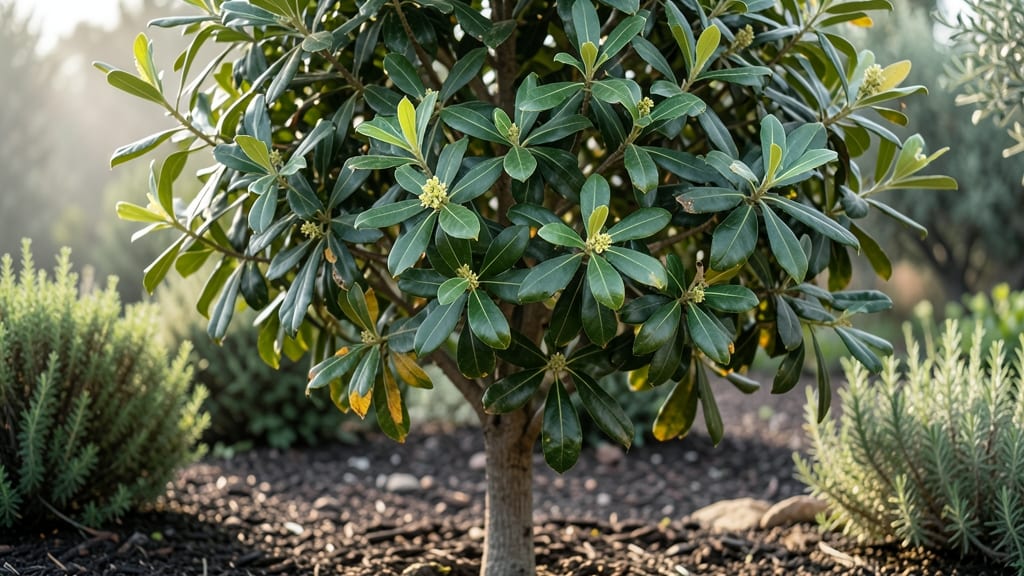
Your bay tree’s leaf curl turning its leaves into crumpled parchment scrolls? 🌿 That’s your signal to act fast before the whole plant looks like a paperweight.
I’ve nursed back more than my share of sad-looking bay trees, and I’ll show you the organic fixes that actually work—no harsh chemicals required. The culprits are usually fungal diseases (like bay leaf curl virus), spider mites, or simply too little light and airflow.
You’ll spot the problem in curled, yellowing, or stunted leaves, often starting at the tips. The good news? Pruning out infected growth, spraying with neem oil, and improving airflow can turn things around in 2-4 weeks if you catch it early.
Once you’ve trimmed the worst of it, focus on prevention: water at the base (not overhead), space plants for airflow, and give them bright, indirect light. Your bay tree will bounce back with fresh, glossy leaves that smell like a Mediterranean kitchen—just in time for your next holiday centerpiece.
If the problem spreads despite your efforts, it might be time to call in a local arborist. But in most cases, these fixes work faster than you’d think. Let’s get those leaves flat and happy again!
Root Causes Of Leaf Distortion
Understanding why your bay tree’s leaves curl is the first step to fixing the problem. These distortions often stem from environmental stressors, pest activity, or underlying health issues. Below, we break down the most common causes with clear, actionable explanations—so you can diagnose and treat the issue effectively.
Bay trees (Laurus nobilis) thrive in moderate climates (USDA Zones 7-10), but sudden temperature swings—whether from scorching heat or frost—can trigger leaf curl. Here’s why:
- Heat Stress: When temperatures exceed 90°F (32°C), the waxy cuticle on bay leaves can overheat, causing cells to expand unevenly. This leads to cupping or rolling as the leaf tries to protect its delicate tissues. - Actionable Fix: Provide afternoon shade during peak summer months.
Mulch the root zone to regulate soil temperature and reduce heat reflection.
- Cold Damage: Frost or temperatures below 20°F (-6°C) disrupts cellular function, leading to brown, curled edges or thickened, leathery leaves.
Bay trees are semi-evergreen, meaning they can tolerate some cold but not prolonged exposure. - Actionable Fix: Wrap young trees in burlap or use frost cloth in late fall. Avoid planting in windy, exposed areas where cold air pools.
Bay trees are drought-tolerant but hate soggy roots, making watering a delicate balance. Both overwatering and underwatering can cause leaf curl:
| Issue | Symptoms | Why It Happens | Fix It Now |
|---|---|---|---|
| Underwatering | Dry, brittle leaves curling upward | Soil moisture drops too low, causing plasmolysis (cell collapse) due to water loss. | Water deeply 1-2x per week (1-1.5 inches of water). Use drip irrigation to avoid surface drying. |
| Overwatering | Yellowing, mushy leaves curling inward | Root rot from poor drainage or excess moisture suffocates roots, starving leaves of oxygen. | Improve drainage with gravel or sand in the soil mix. Let topsoil dry between waterings. |
| Irregular Watering | Uneven curl patterns | Fluctuating moisture levels confuse the plant, leading to cell stress responses. | Stick to a consistent schedule—bay trees prefer slightly dry soil over soggy conditions. |
Several pests inject toxins or suck sap, forcing leaves to curl as a defense mechanism. Here’s how to spot and stop them:
- Bay Psyllid (Cacopsylla spp.) 🐛
- Signs: Tiny, greenish nymphs on undersides of leaves; leaves curl downward and thicken.
- Why It Happens: These sap-sucking insects inject saliva that disrupts leaf growth hormones.
- Fix: Spray with neem oil (1 tbsp per gallon of water) or introduce ladybugs (natural predators).
- Spider Mites 🕷️
- Signs: Stippling (tiny white dots) on leaves; webbing on undersides; leaves curl upward and dry out.
- Why It Happens: They pierce cells to feed, causing dehydration and curling.
- Fix: Blast leaves with water to dislodge mites, then apply horticultural oil weekly.
- Scale Insects 🐌
- Signs: Bumpy, waxy shells on stems/leaves; curled, sticky leaves (from honeydew).
- Why It Happens: They siphon nutrients, weakening the leaf structure.
- Fix: Scrape off scales with a soft brush dipped in rubbing alcohol.
Bay trees need balanced nutrition, and deficiencies—especially of magnesium, nitrogen, or iron—can cause curling. Here’s how to decode the clues:
- Magnesium Deficiency (🍃 Yellowing Between Veins) - Why It Happens: Magnesium is crucial for chlorophyll production.
Poor soil or acidic conditions (bay trees prefer slightly acidic to neutral pH 6.0-7.0) lock it out. - Fix: Apply Epsom salt (1 tbsp per gallon of water) every 4-6 weeks. Test soil pH and amend with lime if too acidic.
- Nitrogen Starvation (🍂 Pale, Slow Growth)
- Why It Happens: Nitrogen fuels leaf expansion. Over-fertilizing with high-phosphorus (like bone meal) or under-fertilizing leads to weak, curling leaves.
- Fix: Use a balanced 10-10-10 fertilizer in early spring. Avoid synthetic fast-release fertilizers—they burn roots.
- Iron Chlorosis (🟡 White/Yellow Leaves with Green Veins)
- Why It Happens: Alkaline soil (pH >7.0) or calcium buildup blocks iron uptake, even if it’s in the soil.
- Fix: Apply chelated iron (like Ironite) or sulfur to lower pH. Water with citric acid (1 tsp per gallon) monthly.
While less common than pests or environmental stress, pathogens can curl leaves by clogging stomata (leaf pores) or disrupting cell walls:
- Bay Anthracnose (Colletotrichum spp.) 🍄 - Signs: Dark spots with yellow halos; leaves curl inward and drop. - Why It Happens: Fungal spores thrive in humid, stagnant air (e.g., overcrowded plants). - Fix: Prune infected leaves immediately and dispose of them.
Apply copper fungicide (like Bonide Copper Fungicide) every 2 weeks.
- Bacterial Leaf Spot (Xanthomonas campestris) - Signs: Water-soaked, translucent spots that turn brown; leaves curl and develop holes. - Why It Happens: Bacteria spread via splashing water or contaminated tools. - Fix: Sterilize pruners with rubbing alcohol.
Avoid overhead watering; use bacterial spray (e.g., Serenade ASO).
- Mechanical Stress: Hail, strong winds, or rough pruning can bruise leaf edges, causing them to curl as the plant repairs tissue.
- Fix: Support young trees with stakes in windy areas. Prune with clean, sharp shears to avoid tearing.
- Transplant Shock: Moving bay trees—especially mature ones—can cause root trauma, leading to wilting or curling leaves as the plant adjusts.
- Fix: Water deeply before and after transplanting. Use root stimulator (like Seaweed Extract) to encourage regrowth. Avoid transplanting in extreme heat or cold.
Before diving into treatments, eliminate the most common causes with this quick checklist:
- Check the soil: Is it dry, soggy, or compacted? Amend as needed.
- Inspect leaves: Look for pests, spots, or webbing under the curl.
- Test watering: Are you overhead-watering (encouraging fungus) or skipping water entirely?
- Monitor weather: Has there been a sudden heatwave or frost recently?
By narrowing down the cause, you’ll save time and target the real issue—not just the symptoms.
Fixing Curling Leaves Naturally
Now that you know what’s causing those unsightly curled leaves on your bay tree, let’s roll up our sleeves and get it back to its lush, healthy self! 🌿 The good news? Most fixes are simple, organic, and don’t require harsh chemicals.
Below, we’ll tackle the most common causes—fungal infections, pests, environmental stress, and nutrient deficiencies—with step-by-step solutions tailored to your bay tree’s needs.
If leaf curl is caused by fungal diseases like bay leaf blight or powdery mildew, act fast to stop the spread.
🔥 Step 1: Remove Infected Leaves
- 👨🍳 Snip off any curled, yellowed, or spotted leaves using clean pruning shears (sterilize with rubbing alcohol between cuts).
- 🗑️ Dispose of the clippings in the trash (not compost)—fungi can linger and reinfect.
🍳 Step 2: Apply Organic Fungicide
Mix one of these DIY sprays and apply to both sides of leaves (especially undersides where spores hide): - Baking Soda Spray: 1 tsp baking soda + 1 tbsp neem oil + 1 tsp mild soap + 1 quart water.
Spray every 7–10 days until new growth appears. - Copper Fungicide: Use an organic copper-based spray (like Bonide Copper Fungicide) as directed. Reapply after rain.
🌡️ Step 3: Improve Airflow & Light
- ✂️ Thin out dense foliage to allow sunlight and air to circulate.
- 🌞 Move the tree to a spot with at least 6 hours of sunlight daily (bay trees thrive in full sun).
💡 Pro Tip: Water in the early morning so leaves dry quickly—fungi love damp, shaded conditions!
Tiny invaders like spider mites, aphids, or scale insects can suck sap, causing leaves to curl and distort.
🔪 Step 1: Blast Off Pests
- 💦 Spray with water (a strong stream from the hose) to knock off mites and aphids.
- 🧼 Use insecticidal soap: Mix 2.5 tbsp mild liquid soap + 1 quart water, spray directly on pests.
Reapply every 3–5 days for 2 weeks.
🕷️ Step 2: Introduce Beneficial Predators
- Ladybugs and lacewings love munching on aphids. Buy them from a garden center or attract them with dill or fennel plants.
- 🕸️ Release predatory mites (like Phytoseiulus persimilis) for spider mite control.
🌿 Step 3: Neem Oil Barrier
- 🌿 Mix 1 tbsp neem oil + 1 tsp mild soap + 1 quart water, shake well, and spray all leaf surfaces. Neem smothers pests and disrupts their life cycle.
- ⏰ Apply at dusk to avoid harming bees.
🎯 Prevention: 🌿 Wrap the trunk with copper tape to deter crawling pests like scale insects.
If your bay tree is curling due to heat, wind, or sudden changes, it’s begging for better conditions.
💧 Step 1: Water Wisely
- 🌱 Bay trees hate soggy roots—water only when the top 1–2 inches of soil are dry.
- 💦 Deep water (1–2 gallons per tree) once a week in summer, less in winter.
- 🌧️ Mulch with 2–3 inches of wood chips to retain moisture and regulate soil temp.
🌬️ Step 2: Shield from Harsh Elements
- 🏖️ Move potted bay trees away from direct afternoon sun (especially in hot climates).
- 🌳 Use shade cloth (30–50% coverage) if growing in a windy or extremely hot area.
- 🌿 Group trees together to create a microclimate with shared shade.
🌱 Step 3: Prune for Balance
- ✂️ Trim back leggy or overgrown branches to encourage fuller, bushier growth.
- 🌿 Avoid heavy pruning in summer—do it in early spring instead.
🔥 Quick Fix: 💦 Mist leaves daily in dry climates to prevent dehydration stress.
Yellowing or curling leaves can signal lack of nitrogen, iron, or magnesium. Let’s fix that!
📊 Step 1: Test Your Soil
- 🧪 Grab a soil test kit (or send a sample to a local extension office) to check pH (ideal: 6.0–7.0 for bay trees) and nutrient levels.
💪 Step 2: Fertilize Organically
- 🌿 For nitrogen (green leaf growth): Use alfalfa meal or fish emulsion (follow package rates).
- 🍎 For iron/magnesium (yellowing between veins): Sprinkle Epsom salt (1 tbsp per gallon of water) monthly in spring/summer.
- 🥗 Slow-release option: 🌱 Apply compost or worm castings around the base in early spring.
🍎 Step 3: Foliar Feed for Fast Results
- 🍃 Mix 1 tbsp seaweed extract + 1 quart water, spray on leaves weekly for a nutrient boost.
✨ Pro Tip: 🌱 Avoid over-fertilizing—bay trees prefer lean soil and can burn with too much salt.
Keep your bay tree curl-free with these easy maintenance habits: ✅ 🌿 Inspect leaves weekly for early signs of pests/disease. ✅ 💧 Water deeply but infrequently—never let soil stay soggy. ✅ 🌞 Provide 6+ hours of sunlight (but protect from scorching afternoon sun). ✅ 🍃 Prune regularly to improve airflow and shape. ✅ 🌱 Feed lightly in spring with organic matter (no heavy synthetic fertilizers). ✅ 🛡️ Use neem oil or copper sprays preventatively every 2–3 months.
With these natural, effective fixes, your bay tree should bounce back in 2–4 weeks—and those curled leaves will be a thing of the past! 🌿✨ Which issue is plaguing your tree? Try the solution that matches your bay’s symptoms and watch it thrive!
Frequently asked questions about bay tree leaf curl
Why do bay tree leaves curl upward instead of downward?
Upward curling often signals underwatering or spider mites sucking sap. Check soil moisture first—if dry, water deeply. For mites, blast leaves with water and apply horticultural oil weekly. Downward curling usually indicates bay psyllids or fungal issues like anthracnose.
Can I save a bay tree if half its leaves are curled?
Yes, but act fast! Prune all curled leaves immediately (don't compost them) and check for pests. If fungal disease is suspected, apply copper fungicide every 2 weeks. With proper care, new growth should appear in 3-4 weeks. Severe cases may need professional assessment.
Will pruning curled leaves help or make it worse?
Pruning helps when done correctly! Remove only severely curled or diseased leaves—never more than 25% of the canopy at once. This prevents stress. Sterilize your shears with rubbing alcohol between cuts to avoid spreading pathogens. Healthy leaves will photosynthesize better once airflow improves.
How often should I spray neem oil for bay tree leaf curl?
Start with a weekly spray for 2 weeks to break pest/fungal cycles, then reduce to every 2-3 weeks as prevention. Always mix 1 tbsp neem oil + 1 tsp mild soap per gallon of water. Apply at dusk to protect beneficial insects. Stop spraying if new growth appears healthy.
Can bay tree leaf curl spread to other plants?
Yes, especially fungal diseases like anthracnose or bacterial leaf spot. Isolate your bay tree immediately and disinfect tools between uses. Avoid overhead watering nearby plants. Pests like spider mites can also spread to susceptible plants (like citrus or olive trees) within 10 feet.