
Trees
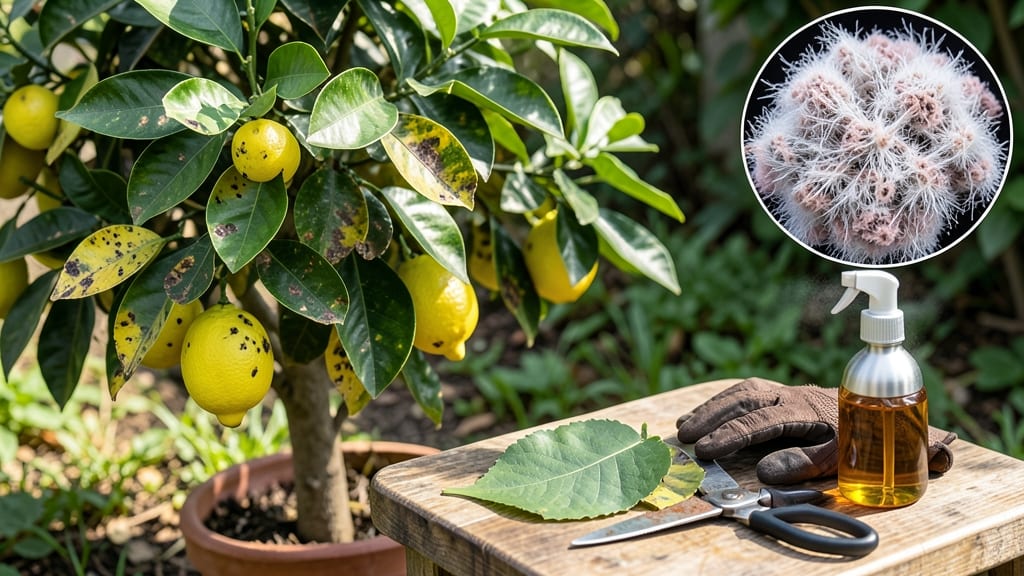
Citrus tree fungus can turn vibrant leaves into a sad, spotted mess in weeks. 🌿 I’ve seen melanose blacken fruit and root rot gnaw at roots—both can kill a tree if ignored.
The good news? Organic remedies work fast when you catch the problem early, and I’ll show you exactly how to diagnose and treat it without harsh chemicals.
Most fungal issues start with excess moisture—overwatering, poor drainage, or rainy seasons create the perfect breeding ground. You’ll spot symptoms like dark spots on leaves, moldy stems, or fruit that looks like it’s been dusted with soot.
The key is acting before the fungus spreads beyond the first few branches, because once it does, recovery gets harder.
With the right mix of pruning, copper sprays, and soil fixes, you can revive even severely affected trees in 4-6 weeks. I’ve nursed back trees with blackened leaves to full, glossy growth—just by removing infected parts, boosting airflow, and applying neem oil or baking soda sprays.
The results are nothing short of miraculous when you follow the steps.
This works for lemon, lime, orange, and grapefruit trees—no matter your climate. The same principles apply whether your tree is in a pot on a patio or planted in the ground. Let’s get your citrus tree back to thriving before the next harvest.
Root Causes of Citrus Tree Fungus
Fungal infections in citrus trees don’t appear out of nowhere—they thrive due to specific conditions that create the perfect environment for spores to spread and infect your tree. Understanding these triggers is the first step toward prevention and treatment.
Let’s break down the key reasons why citrus trees fall victim to fungus, backed by science and actionable insights.
Fungi love dampness, and citrus trees—especially those in humid climates—are prime targets when moisture lingers. Here’s why:
- Overwatering or Flooding: Citrus trees need well-drained soil, but when roots sit in soggy conditions, fungal spores like Phytophthora (a common citrus killer) multiply rapidly.
Poor drainage traps water at the root zone, creating a fungal buffet. - High Humidity: Fungal spores thrive in air with 70%+ humidity.
If your tree is in a shaded, low-airflow area (like a grove or dense planting), spores linger longer, increasing infection risk. - Rain or Irrigation Splash: Water droplets can splash spores from infected leaves or soil onto healthy parts of the tree.
This is how melanose (a black spot fungus) spreads aggressively during wet seasons.
💡 Pro Tip: Test your soil’s drainage by digging a 12-inch hole, filling it with water, and timing how long it takes to drain. If it’s slower than 4 hours, amend with perlite or coarse sand to improve airflow.
A healthy citrus tree has natural resistance, but stress makes it an easy target for fungi. Common stressors include:
- Nutrient Deficiencies: Lack of nitrogen, phosphorus, or micronutrients (like zinc or iron) weakens cell walls, making them easier for fungi to penetrate. Yellowing leaves (chlorosis) often signal deficiencies that invite fungal attacks. - Physical Damage: Pruning wounds, hail, or pest bites create entry points for spores.
If you’ve recently trimmed your tree, ensure cuts are disinfected with a 10% bleach solution to prevent infection. - Root Disturbance: Transplant shock or compacted soil disrupts nutrient uptake, leaving the tree vulnerable. Fungi like Armillaria (root rot) exploit stressed roots within weeks.
✨ Actionable Fix: Conduct a soil test (available through local extension offices) to check pH (ideal: 6.0–7.0 for citrus) and nutrient levels. Apply compost or organic fertilizer (like fish emulsion) to bolster immunity.
Fungal spores need still air to spread. When citrus trees are planted too closely or shaded by other plants, the result is a fungal hotspot. Key culprits:
- Dense Planting: Trees spaced less than 10–15 feet apart (depending on variety) create a humid microclimate where spores thrive.
Overcrowding also competes for nutrients, further stressing the tree. - Shade from Tall Plants: While some afternoon shade helps in hot climates, constant shade (e.g., from palm trees or structures) slows leaf drying, trapping moisture and encouraging fungal growth. - Debris Buildup: Fallen leaves, fruit, or mulch piled against the trunk retain moisture.
Fungi like Alternaria (leaf spot) use this organic matter as a breeding ground.
🔥 Solution: Prune to open the canopy (remove 20–30% of dense branches) and space trees appropriately. Use straw mulch (not wood chips) around the base—keep it 2–3 inches deep and 6 inches away from the trunk to prevent rot.
Fungal spores are persistent and can hitchhike on tools, soil, or even wind. Here’s how:
- Infected Pruning Tools: Knives or shears used on a diseased tree can transfer spores to healthy branches. Even a small cut can introduce Colletotrichum (anthracnose) into the tree’s system. - Reused or Untreated Mulch: Old mulch from a previously infected area may harbor dormant spores.
Always use sterilized or fresh mulch. - Windborne Spores: Fungi like Citrus Canker spread via wind from infected trees. If you’re near a citrus grove with outbreaks, spores can travel miles in favorable conditions.
🎯 Prevention: Sterilize tools with rubbing alcohol (70%+) between uses. If repurposing soil, solarize it (cover with clear plastic for 4–6 weeks in summer) to kill pathogens.
While citrus trees love warmth, sudden temperature shifts—especially from hot to cold—create stress that fungi exploit:
- Cool, Wet Springs: Temperatures below 75°F with high humidity slow the tree’s growth, making it easier for Phytophthora to infect roots.
- Frost Damage: Freeze-thaw cycles crack bark, providing entry points for fungi like Botryosphaeria (dieback disease).
- Heat Stress: While citrus thrives in heat, prolonged temperatures above 95°F weaken leaves, making them susceptible to Alternaria or Melanose.
🌡️ Climate Hack: In frost-prone areas, use frost cloth to protect young trees. For heat stress, provide afternoon shade during peak summer months to reduce leaf scorch.
Pests like citrus leafminers, aphids, or scale insects don’t just feed—they injure the tree, creating perfect fungal entry points.
For example: - Aphids excrete honeydew, a sugary film that attracts sooty mold fungi. - Scale insects create wounds that Phomopsis (a twig blight fungus) can infect. - Root weevils damage roots, making them vulnerable to Armillaria (a deadly root rot).
🔪 Pest Control Tip: Introduce beneficial insects (like ladybugs or lacewings) or use neem oil spray (1% solution) to deter pests before they invite fungi.
Revive Your Tree Fast
Fungal infections can feel like a death sentence for citrus trees, but with the right approach, you can nurse them back to health—and even prevent future outbreaks. Below are targeted solutions for common citrus tree fungi, paired with practical fixes and prevention tips to keep your tree thriving.
Cause: Xanthomonas bacteria (often mistaken for fungus) creates sunken, oily lesions on leaves and fruit.
How to Fix It: 🔥 Prune & Remove – Cut off infected branches 3 inches below the lesion with sterilized pruners (wipe with rubbing alcohol between cuts). Dispose of clippings in a sealed bag—not the compost!
🍳 Copper Spray Solution – Mix 1 tbsp copper sulfate with 1 gallon of water (or use a pre-made organic copper fungicide). Spray every 7–10 days until new growth appears. Why? Copper disrupts bacterial cell walls without harming beneficial microbes.
👨🍳 Baking Soda Wash – For early stages, spray leaves with a 1 tsp baking soda + 1 tbsp horticultural oil + 1 quart water solution. Reapply weekly during wet seasons.
🌡️ Prevention Tips:
- Space trees 8–10 feet apart for airflow.
- Avoid overhead watering—use drip irrigation to keep foliage dry.
- Rotate copper sprays with neem oil (1% concentration) every other week.
Cause: Diplodia natalensis fungus thrives in humid, rainy conditions, causing dark, raised spots on fruit and leaves.
How to Fix It: 🔪 Surgical Removal – Snip off blackened fruit and leaves immediately. Sterilize tools to prevent spread.
🥘 Potassium Bicarbonate Spray – Combine 1 tbsp baking soda + 1 tsp liquid soap + 1 gallon water. Spray every 10 days during rainy seasons. Pro tip: Add a quart of milk to boost effectiveness (lactic acid fights fungus).
⏰ Timing Matters – Apply sprays at dawn or dusk to reduce evaporation and maximize coverage.
🎯 Prevention Tips:
- Thin fruit to improve airflow—overcrowded branches trap moisture.
- Mulch with straw (not wood chips) to reduce soil splashing onto leaves.
- Plant resistant varieties like ‘Meyer lemon’ or ‘Satsuma mandarin’ if fungal issues persist.
Cause: Phytophthora or Fusarium fungi thrive in waterlogged soil, causing roots to rot and stems to collapse.
How to Fix It: 💡 Drainage First! – If soil stays soggy for >24 hours after watering, amend with compost or plant in raised beds. Add perlite or coarse sand to improve drainage.
🌱 Fungal Antagonist Soil Drench – Mix 1 cup hydrogen peroxide (3%) + 1 gallon water and pour around the base. Repeat weekly for 3 weeks. Why? Oxygenates soil and starves anaerobic fungi.
🔥 Beneficial Fungi Boost – Apply mycorrhizal inoculant (like Trichoderma harzianum) to outcompete pathogens. Follow package instructions for soil application.
🚫 Avoid Overwatering – Let the top 2–3 inches of soil dry between waterings. Use a moisture meter for accuracy.
For any citrus fungus, combine these year-round habits:
- Clean up debris (fallen leaves/fruit) weekly—fungi hibernate here!
- Rotate organic sprays (neem, copper, potassium bicarbonate) to prevent resistance.
- Strengthen the tree with fish emulsion (5-5-5) or kelp meal for natural immunity.
✨ Quick Fix Reminder:
| Fungus | Fastest Fix | Prevention Spray |
|---|---|---|
| Citrus Canker | Copper sulfate spray | Neem oil (1% weekly) |
| Melanose | Baking soda + milk wash | Potassium bicarbonate (biweekly) |
| Root Rot | Hydrogen peroxide drench | Mycorrhizal inoculant (seasonal) |
With consistency, your citrus tree can bounce back—and stay fungus-free for seasons to come! 🌿🍊
Frequently asked questions
Can I use household vinegar to treat citrus tree fungus?
Vinegar is too harsh for citrus trees—it can burn leaves and disrupt the soil pH balance. Instead, use a 1% neem oil solution or baking soda spray (1 tsp baking soda + 1 quart water). Both are safer and equally effective at stopping fungal spread. Always test sprays on a small leaf first.
How do I know if my citrus tree has fungus or just nutrient deficiency?
Fungal infections show up as dark spots, mold, or powdery growth on leaves/stems, while deficiencies cause uniform yellowing (chlorosis) or stunted growth. Check the undersides of leaves for fuzzy or slimy patches—this confirms fungus. A soil test (available at extension offices) can confirm deficiencies.
Will pruning alone fix my citrus tree's fungal issue?
Pruning removes infected parts, but it’s only 50% of the solution. You must also treat the tree with copper fungicide or hydrogen peroxide drench and improve airflow. Without follow-up care, spores will reinfect healthy growth within 2-4 weeks. Think of pruning as surgery—you need medicine afterward!
Can I save a citrus tree with severe root rot?
Root rot is deadly, but you can try saving the tree if 50%+ of roots are still healthy. Dig out infected roots, replant in amended soil (add perlite + compost), and apply mycorrhizal fungi to outcompete pathogens. If the trunk is soft or oozing, the tree is beyond saving—replace it immediately.
How often should I spray fungicide on my citrus tree?
For prevention, spray every 2-3 weeks during rainy seasons or high-humidity months. If treating an active infection, apply weekly for 4 weeks, then switch to biweekly maintenance. Rotate between neem oil, copper, and potassium bicarbonate to prevent resistance. Always spray in the early morning or evening.