
Blooming
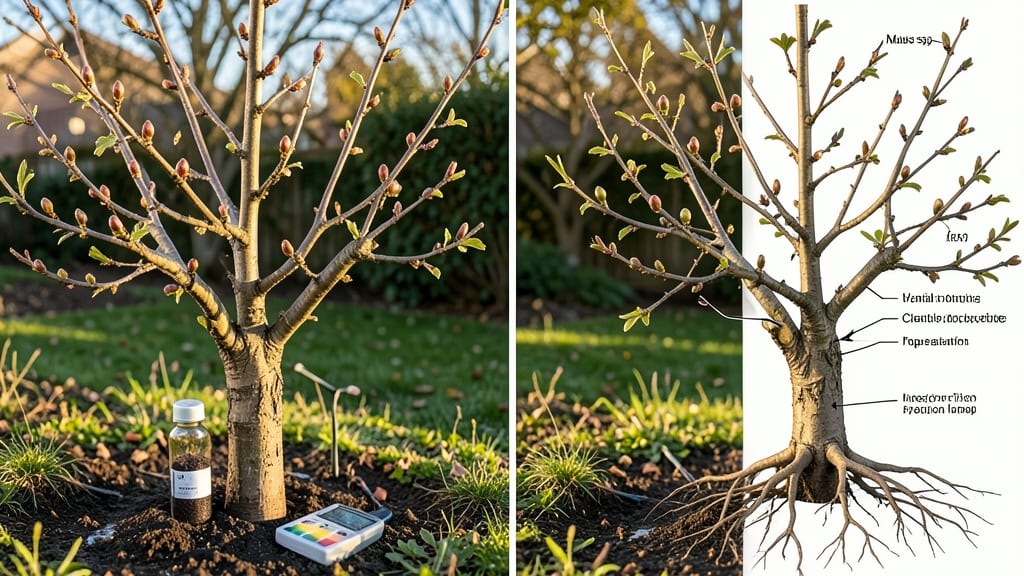
Your crabapple tree not blooming this spring? 🌸 That empty canopy where you expected pink or red bursts is heartbreaking—but the good news is, most cases fix with simple adjustments you can make right now.
I’ve revived three stubborn crabapples in my yard using these same strategies, and the difference in just one season is shocking.
First, check sunlight—crabapples need 6-8 hours of direct sun daily to set blooms. If your tree’s in shade, even partial, that’s likely the culprit. Next, dig into soil health: compacted or nutrient-poor soil starves roots, and a quick soil test reveals what’s missing (usually phosphorus for blooms).
Don’t overlook pruning either—cutting at the wrong time or too aggressively can delay flowering for years.
With the right fixes, you’ll see buds forming within 2-3 weeks of correcting care. I’ll walk you through diagnosing the exact issue (sunlight, soil, pests, or pruning) and the step-by-step solutions that work—no guesswork. The payoff? A tree so lush with blossoms your neighbors will ask for tips.
Works for Malus varieties in zones 3-8, whether your tree’s young or mature. Let’s get those branches heavy with blooms again—here’s how to troubleshoot like a pro.
Root Causes of Missing Blossoms
When your crabapple tree fails to bloom, it’s often a sign that something fundamental is out of balance. Understanding the why behind the lack of flowers is the first step to reviving your tree’s springtime spectacle.
Below, we break down the most common culprits—backed by science—and explain how each disrupts the blooming process.
Crabapple trees (Malus spp.) are sun-worshippers, thriving in full sun (6–8+ hours daily). When deprived of adequate light, they prioritize survival over reproduction, delaying or skipping blooms entirely.
How it happens:
- Shade from buildings, taller trees, or dense foliage blocks critical sunlight, weakening photosynthesis.
- North-facing exposures (common in colder climates) receive less direct light, slowing metabolic processes.
- Young trees in partial shade may bloom sparsely or not at all until mature enough to compete for light.
The science: Light triggers phytochrome pigments in leaves, which regulate flowering hormones like florigen. Without enough light, florigen production stalls, and buds remain dormant.
Crabapple flowers are delicate and early bloomers, often opening in late winter or early spring—right when frost risks peak. A sudden freeze can kill blossoms before they open or shock the tree into conserving energy for survival instead of flowering.
How it happens:
- Late-season frosts (below 28°F/-2°C) can damage or kill exposed buds.
- Unusually cold winters may delay dormancy break, pushing blooming into frost-prone periods.
- Heatwaves in winter can trick the tree into blooming too early, followed by a deadly freeze.
The science: Cold-sensitive flowers rely on chilling hours (a specific range of winter cold, typically 300–1,000 hours below 45°F/7°C) to cue blooming. Without this, the tree may skip flowering entirely or produce weak, sparse blooms.
Crabapple trees need well-draining, slightly acidic soil (pH 5.5–6.5) rich in organic matter. Overwatering, underwatering, or compacted soil disrupts nutrient uptake, leading to weak growth and few (or no) flowers.
How it happens:
- Drought stress (even in winter) forces the tree to divert energy to root survival, not blooms.
- Waterlogged soil (common in clay-heavy areas) suffocates roots, starving the tree of oxygen and nutrients.
- Nutrient deficiencies (especially phosphorus and potassium) are critical for flower development. A lack of these can stunt blooming.
The science: Phosphorus fuels energy transfer in cells, while potassium regulates enzyme activity—both essential for bud formation. A soil test revealing low levels of these nutrients explains why your tree might be skipping its floral display.
Pests like apple maggots, scale insects, or borers and diseases such as fire blight or powdery mildew can weaken the tree’s vitality, reducing its ability to produce flowers. Even last year’s damage can linger, affecting this season’s blooms.
How it happens:
- Sap-sucking insects (e.g., aphids, mites) drain nutrients, leaving the tree too weak to bloom.
- Bacterial or fungal infections (like fire blight) can kill flower buds directly or spread to branches, reducing overall vigor.
- Root rot from overwatering or poor drainage strangles the tree’s nutrient flow, leading to sparse or absent blooms.
The science: Healthy trees allocate 10–20% of their energy to flowering. When pests or diseases increase metabolic stress, the tree shifts resources to defense and repair, sacrificing blooms.
Crabapple trees typically bloom most vigorously between ages 5–20. Younger trees may not have the energy, while older trees (30+ years) often decline in floral production due to declining vigor or structural stress.
How it happens:
- Young trees (under 5 years) are still establishing roots and may bloom lightly or not at all.
- Over-mature trees suffer from reduced photosynthesis efficiency and competing priorities (e.g., fruit production, if applicable).
- Poor pruning habits (e.g., topping, over-pruning) can stunt growth and delay or prevent blooming.
The science: Floral initiation occurs in the previous year’s growth. If a tree is under stress from age or poor care, it may fail to set buds in the summer/fall, resulting in no spring blooms.
While fertilizers can help, over-application—especially of nitrogen—can promote leafy growth at the expense of flowers. Conversely, under-fertilization may leave the tree too weak to bloom.
How it happens:
- High-nitrogen fertilizers (e.g., lawn fertilizers) encourage foliage over flowers, as nitrogen fuels leaf growth.
- Lack of phosphorus or potassium (key for flowering) can stunt bud development.
- Herbicide drift or soil toxins (e.g., from nearby construction) can disrupt hormonal signals needed for blooming.
The science: The carbon-to-nitrogen ratio in the soil dictates flowering. Too much nitrogen skews energy toward leaves, while a balanced NPK ratio (e.g., 5-10-10) supports floral bud formation.
Even the microclimate around your tree plays a role. Urban heat islands, pollution, or high winds can stress crabapple trees, reducing their ability to bloom.
How it happens:
- Pollution or smog (common in cities) can damage leaf surfaces, limiting photosynthesis.
- High winds may physically damage buds or increase water loss, stressing the tree.
- Compacted or contaminated soil (e.g., from construction) can restrict root growth, weakening the tree.
The science: Stress hormones like abscisic acid (ABA) are triggered by environmental pressures, inhibiting florigen production and delaying or preventing blooms.
Not sure which issue is affecting your tree? Use this symptom checklist to narrow it down:
| Symptom | Likely Cause | Action to Take |
|---|---|---|
| Leaves but no buds | Light deficiency, over-fertilization | Prune nearby shade, adjust fertilizer |
| Few buds, many leaves | High nitrogen, young tree | Switch to bloom-booster fertilizer (low N) |
| Bud drop before blooming | Late frost, disease (fire blight) | Protect with frost cloth, treat disease |
| Wilting or yellow leaves | Overwatering, root rot | Improve drainage, aerate soil |
| No new growth | Pest damage, soil compaction | Test soil, treat pests, mulch roots |
| Small, sparse blooms | Age, nutrient deficiency | Fertilize with phosphorus/potassium |
Reviving Your Crabapple’s Spring Show
If your crabapple tree is playing hide-and-seek with its blossoms, don’t despair—there’s a solution for every root cause. Below, we’ll break down practical fixes tailored to the most common reasons your tree might be skipping its floral debut. Plus, we’ll share prevention tips to keep future blooms on track.
Cause: Poor soil health or nutrient deficiencies (especially nitrogen, phosphorus, or micronutrients like zinc or iron).
How to Fix It: 🔥 Test Your Soil First Start with a soil test kit (available at garden centers) to identify deficiencies. If the pH is off (too acidic or alkaline), your tree may struggle to absorb nutrients. Aim for a pH of 6.0–7.0 for crabapples.
🍳 Fertilize Strategically
- Early Spring (February–March): Apply a balanced fertilizer (10-10-10 or 20-20-20) to encourage new growth and bud formation.
- Late Winter (January–February): Use a slow-release, organic fertilizer (like compost or worm castings) to build soil health over time.
- Micronutrient Boost (if needed): If your soil test reveals deficiencies, add chelated iron (for yellowing leaves) or zinc sulfate (for stunted growth).
👨🍳 Feed the Soil, Not Just the Tree Spread 2–4 inches of compost around the tree’s dripline (outer edge of branches) in early spring. Keep it 6 inches away from the trunk to avoid rot.
Cause: Underwatering or inconsistent moisture stress, especially during bud formation.
How to Fix It: 🔥 Deep Water Weekly Crabapple trees need 1–1.5 inches of water per week, especially during bud break (late winter/early spring). Use a soaker hose or drip irrigation to deliver water slowly and deeply—avoid shallow watering, which encourages weak roots.
🥘 Mulch for Moisture Retention Apply 3–4 inches of mulch (wood chips, bark, or straw) around the base, but keep it away from the trunk. Mulch locks in moisture and regulates soil temperature—critical for bud development.
⏰ Watch for Overwatering Too! Soggy soil suffocates roots. Ensure your tree has good drainage—if water pools around the base, amend the soil with sand or perlite or plant in a slightly elevated spot.
Cause: Overcrowded branches, dead wood, or improper pruning timing.
How to Fix It: 🔥 Prune at the Right Time
- Late Winter (February–March): This is the best time to prune crabapples. Remove:
- Dead, diseased, or crossing branches (use sterilized pruners to prevent spreading disease).
- Suckers (shoots growing from the base or roots).
- Overly dense growth to improve airflow and sunlight penetration.
🍎 Shape for Sunlight Access Thin out the canopy so sunlight reaches the inner branches. Aim for an open, vase-like shape—this encourages more blooms by reducing shade competition.
🌡️ Avoid Summer Pruning Pruning in summer can stimulate new growth that won’t harden off before winter, leading to frost damage and fewer blooms next spring.
Cause: Insect infestations (aphids, scale, borers) or fungal diseases (fire blight, powdery mildew) weakening the tree.
How to Fix It: 🔥 Inspect for Pests Look for:
- Sticky sap (aphids/scale).
- Sawdust-like frass (borers).
- Blackened branches (fire blight).
🍳 Treat Early & Organically
- Neem oil or insecticidal soap (for aphids/scale).
- Beneficial nematodes (for borers—apply in early spring).
- Copper fungicide (for fire blight—spray in dormant season and after pruning).
💡 Prevent Future Infestations
- Remove fallen leaves/debris (pests love hiding there).
- Encourage natural predators (ladybugs, birds) by planting companion flowers like dill or marigolds nearby.
Cause: Shade from taller trees, buildings, or poor site selection.
How to Fix It: 🔥 Assess Sunlight Needs Crabapple trees thrive in full sun (6+ hours/day). If your tree is shaded:
- Thin nearby trees to allow more light.
- Consider transplanting (if possible) to a sunnier spot—spring or fall are the best times.
🌳 Choose the Right Variety for Your Space Some crabapples (like ‘Adirondack’ or ‘Sentinel’) tolerate partial shade better than others. If you can’t move the tree, pick a shade-tolerant cultivar for future plantings.
Once you’ve revived your tree, keep these habits to ensure blooms return year after year:
- 💡 Mulch annually to maintain soil health.
- 📅 Fertilize in early spring before buds swell.
- 🌡️ Monitor for pests—early action prevents major damage.
- ✂️ Prune every 1–2 years to keep the tree open and healthy.
- 💧 Water deeply during droughts, especially in spring and fall.
Pro Tip: 🌟 If your tree is young (under 5 years), blooms may be sparse—be patient! Crabapples often need 3–5 years to reach full flowering potential.
With these fixes, your crabapple should be bursting with blossoms next spring. 🌸🌿
Frequently asked questions
My crabapple tree has leaves but no buds—what could be wrong?
This usually means your tree is getting too much nitrogen (like from lawn fertilizer) or isn't getting enough sunlight (6+ hours daily). Check nearby trees or buildings casting shade, and switch to a bloom-focused fertilizer with lower nitrogen (like 5-10-10). Young trees under 5 years may also need patience—they often bloom lightly until established.
Can I force my crabapple to bloom by fertilizing more?
Not exactly—over-fertilizing (especially with nitrogen) actually stops blooms by encouraging leafy growth instead. For flowers, focus on a balanced fertilizer (10-10-10) in early spring, and prioritize phosphorus/potassium. Test your soil first to avoid overdoing it—too many nutrients can harm roots.
Why did my crabapple buds swell but then drop off?
This is almost always late frost damage—crabapple flowers bloom early and can't handle temperatures below 28°F/-2°C. Protect next year's buds by covering the tree with frost cloth during late winter forecasts, or choose a later-blooming variety like 'Royalty' that's more frost-resistant.
How do I know if my tree is too old to bloom?
Crabapples typically bloom best between ages 5-20. If your tree is 30+ years old and has never bloomed well, it may be declining from age or poor care. Look for signs like thin canopy, dead branches, or slow growth—these suggest it's time to focus on maintenance rather than expecting flowers.
Will pruning my crabapple make it bloom more?
Yes—but only if you do it correctly! Prune in late winter to remove dead wood and thin dense branches, letting sunlight reach inner growth. Avoid heavy pruning in summer, as new growth won't harden before winter, and never "top" the tree (cutting the top flat)—this stresses the tree and reduces blooms.