
Pruning
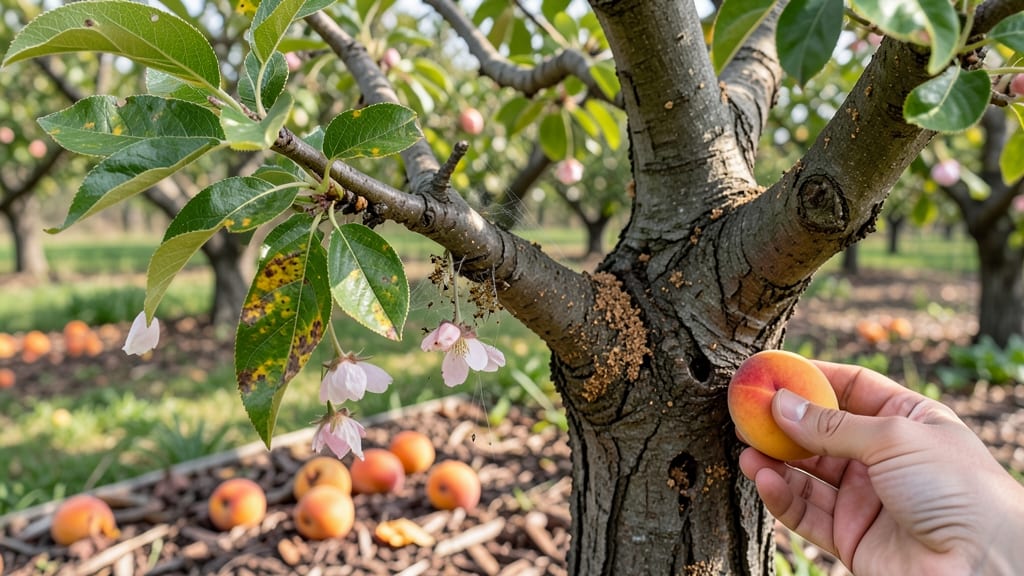
Your apricot tree problems—whether it’s yellowing leaves or stunted growth—might be screaming for help before it’s too late. 🌿 I’ve seen brown rot turn a thriving apricot into a sad skeleton in just two seasons, but the fixes are simpler than you’d think.
The key is acting fast: pruning infected branches, adjusting watering, and sometimes just a dose of patience (yes, really). Most problems start with overwatering or nutrient deficiencies, but fungal diseases like brown rot or bacterial spot can strike fast.
Look for dark spots on leaves, oozing cankers, or fruit that rots before ripening—those are red flags. The good news? Organic sprays (copper fungicide) and proper pruning can turn things around in weeks, not years.
By the end of this, you’ll spot the early warning signs and know exactly which fix to grab first. No more guessing whether to prune or spray—just clear steps that actually work. And if your tree’s been struggling for a while, we’ll tackle the root causes too.
Works for backyard trees, container-grown apricots, or even those stubborn nursery plants. Let’s get your tree back to producing sweet, juicy fruit in no time.
Root Causes Behind Apricot Tree Struggles
Apricot trees are resilient, but when they start showing signs of distress—like yellowing leaves, blight, or stunted growth—it’s usually a clear signal that something’s off. Understanding why these issues occur is the first step to fixing them.
Below, we break down the most common culprits, backed by science, so you can diagnose and address the problem like a pro.
Apricots thrive in moderate climates but are highly sensitive to temperature swings. Too much heat or sudden cold snaps can shock the tree, leading to leaf scorch, premature fruit drop, or even dieback.
- Why it happens:
- Heat stress: Temperatures above 95°F (35°C) can cause leaf edges to brown and crisp (a condition called leaf scorch). High heat also disrupts photosynthesis, weakening the tree.
- Cold damage: Apricots need 200–400 chill hours (temperatures between 32–45°F (0–7°C)) to bloom properly. Without enough chill, buds fail to open, or late frosts (below 28°F/-2°C) can kill flowers and young fruit.
- Frost cracks: Rapid temperature drops (e.g., daytime warmth followed by nighttime frost) can split bark, inviting fungal infections like silver leaf disease.
- Actionable fix:
- Mulch heavily in winter to insulate roots from freezing.
- Use anti-transpirants (waxy sprays) in summer to reduce water loss.
- Choose low-chill apricot varieties (e.g., ‘Blush’ or ‘Royal’) if you’re in a warm climate.
Apricot trees hate soggy roots or drought stress. Both extremes disrupt nutrient uptake and invite pests or diseases.
- Why it happens:
- Overwatering: Apricots prefer well-draining soil. Poor drainage leads to root rot (caused by fungi like Phytophthora), which chokes the tree by blocking oxygen to roots. Symptoms: yellowing leaves, wilting, and stunted growth.
- Underwatering: Drought stress causes leaves to curl, fruit to shrivel, and branches to die back. The tree prioritizes root survival over fruit production, leading to small, poor-quality apricots.
- Irrigation timing: Watering late in the day encourages fungal growth (like leaf spot) by keeping foliage wet overnight.
- Actionable fix:
- Water deeply 1–2 times per week (1–1.5 inches per session) during dry spells, focusing on the root zone.
- Amend clay soil with compost or sand to improve drainage.
- Avoid overhead watering; use drip irrigation instead.
Fungi thrive in humid conditions and weak trees, causing diseases like brown rot, powdery mildew, and leaf curl that stunt growth and rot fruit.
- Why it happens:
- Brown rot (Monilinia): Spreads via infected blossoms or mummified fruit. It causes dark, mushy spots on leaves/fruit and can kill branches if left untreated.
- Powdery mildew (Podosphaera): Appears as white, powdery patches on leaves, blocking sunlight and reducing photosynthesis.
- Verticillium wilt: A soil-borne fungus that clogs xylem vessels, causing wilting, yellowing, and vascular discoloration (brown streaks in stems).
- Actionable fix:
- Prune infected branches 6+ inches below lesions and sterilize tools with 70% alcohol.
- Apply copper fungicide (e.g., Copper Sulfate) at bud swell and again after harvest.
- Improve air circulation by thinning dense canopies and avoiding overhead watering.
Insects like aphids, mites, and borers weaken apricot trees by feeding on sap, spreading viruses, or tunneling into wood.
- Why it happens:
- Aphids & mites: Cluster on new growth, sucking sap and excreting honeydew (a sticky residue that fosters sooty mold). Infested leaves yellow, curl, and drop.
- Peach twig borer (Anarsia lineatella): Larvae burrow into twigs and fruit, causing oozing sap and dieback.
- Plum curculio: This beetle punctures fruit, inviting rot and stunting development.
- Actionable fix:
- Blast off aphids with a strong stream of water or use neem oil (repeat every 7–10 days).
- Apply kaolin clay (e.g., Surround WP) to deter borers and curculios.
- Wrap trunk bands with sticky traps to catch emerging adults.
Apricot trees are heavy feeders, and poor soil nutrition leads to weak growth, small fruit, and disease susceptibility.
- Why it happens:
- Nitrogen (N) deficiency: Causes pale yellow leaves (chlorosis), starting on older foliage. The tree prioritizes root growth over fruit.
- Zinc (Zn) or iron (Fe) deficiency: Leads to interveinal chlorosis (yellowing between leaf veins), common in alkaline soils.
- Potassium (K) deficiency: Results in weak wood, poor fruit set, and brown leaf edges.
- Actionable fix:
- Test soil pH (ideal: 6.0–7.0) and amend with sulfur if alkaline.
- Apply a balanced fertilizer (e.g., 10-10
Quick Fixes For Apricot Tree
When your apricot tree starts showing signs of distress—whether it’s yellowing leaves, fungal blight, or stunted growth—acting fast can save the day. Below are practical, step-by-step solutions tailored to the most common issues, plus prevention tips to keep your tree thriving for years.
🔥 Step 1: Diagnose the Cause Yellow leaves can signal iron deficiency (chlorosis), overwatering, or root rot. Check the soil—if it’s soggy, drainage is the issue. If leaves are pale but crispy, it’s likely a nutrient problem.
🍳 Step 2: Adjust Watering Habits
- Water deeply but less frequently—apricot trees hate "wet feet."
- Ensure the soil has good drainage by amending with compost or sand if needed.
- Mulch around the base (2-3 inches of organic mulch) to retain moisture without suffocating roots.
👨🍳 Step 3: Fertilize for a Boost
- For iron deficiency, use an iron chelate fertilizer (follow package instructions).
- A balanced fertilizer (10-10-10 or 6-6-6) can help if growth is slow.
- Epsom salt (magnesium sulfate) can also help if leaves are yellowing between veins.
💡 Pro Tip: If yellowing persists, test your soil’s pH—apricot trees prefer 6.0 to 7.0. Lime can raise pH, while sulfur lowers it.
🔪 Step 1: Prune Infected Areas
- Remove and destroy (don’t compost!) any leaves, branches, or fruit with brown spots or lesions.
- Use sterilized pruners (wipe with rubbing alcohol between cuts) to prevent spreading.
🌡️ Step 2: Apply Fungicide
- Copper-based fungicides (like Bordeaux mixture) work well for brown rot and leaf spot.
- For powdery mildew, use a sulfur or neem oil spray.
- Reapply every 7-14 days during wet seasons or after heavy rain.
✨ Step 3: Improve Airflow & Sanitation
- Thin out dense branches to allow sunlight and air circulation.
- Clean up debris from under the tree—fungi love hiding in fallen leaves.
- Avoid overhead watering; water at the base instead.
🎯 Prevention Tip: Plant apricot trees in full sun (6+ hours/day) and space them 15-20 feet apart to reduce humidity around leaves.
🔥 Step 1: Check the Roots
- Gently loosen compacted soil around the base (but don’t damage roots).
- If roots look black, mushy, or smelly, you’ve got root rot—trim affected roots and repot in fresh, dry soil.
🍳 Step 2: Feed & Hydrate Properly
- Slow-release fertilizer (like 10-10-10) in early spring can jumpstart growth.
- Deep water once a week (more in extreme heat) but avoid waterlogging.
- If the tree is young, consider a mycorrhizal fungus treatment to boost root health.
👨🍳 Step 3: Protect from Pests
- Scale insects or aphids can weaken trees—blast them off with water or use insecticidal soap.
- For borers, apply beneficial nematodes or a systemic insecticide like imidacloprid.
💡 Pro Tip: If the tree is newly planted, ensure it’s in well-draining soil and not planted too deeply—roots need oxygen!
- 📊 Soil Test Annually – Adjust nutrients based on results.
- 💪 Prune in Late Winter – Remove dead wood and shape the tree for airflow.
- 🥗 Avoid Over-Fertilizing – Too much nitrogen = weak growth, more pests.
- 🍎 Harvest Ripe Fruit Promptly – Leaving fruit too long invites disease.
With these fixes, your apricot tree should bounce back stronger than ever—ready to produce juicy, sweet fruit for seasons to come! 🍑✨
Frequently asked questions
Why are my apricot tree leaves turning yellow but staying on the branches?
This is likely iron deficiency (chlorosis), common in alkaline soils. The yellowing between veins while keeping green veins is classic. Test your soil—if pH is above 7.0, amend with sulfur. Apply iron chelate fertilizer or use Epsom salt (1 tablespoon per gallon of water) every 2 weeks until leaves green up.
What should I do if my apricot fruit is rotting before it ripens?
This is probably brown rot, a fungal disease that spreads through infected blossoms. Remove all infected fruit immediately (don’t compost!) and prune 6+ inches below lesions using sterilized tools. Apply copper fungicide at bud swell and again after harvest. Thin branches to improve airflow and avoid overhead watering.
Can I save my apricot tree if it has black, mushy roots?
Yes, but act fast! This is root rot, usually from overwatering or poor drainage. Trim all black/mushy roots, repot in fresh well-draining soil, and reduce watering to once a week (deep soaks only). Add perlite or sand to improve drainage and avoid mulching too heavily until roots recover.
How do I know if my apricot tree has aphids or mites?
Check the undersides of leaves for tiny green/black insects (aphids) or tiny white dots moving rapidly (mites). Both cause curled, sticky (aphids) or bronzed (mites) leaves. Blast aphids off with water or use neem oil (repeat every 7 days). For mites, spray with insecticidal soap or release predatory mites like Phytoseiulus persimilis.
Is it safe to prune my apricot tree during summer?
Light pruning is fine in summer to remove diseased branches or shape the tree, but avoid heavy pruning. Wait until late winter (before buds swell) for major cuts. Summer pruning can stress the tree and attract pests. If you must prune now, sterilize tools and seal larger cuts with pruning sealant to prevent infections.