
Pruning
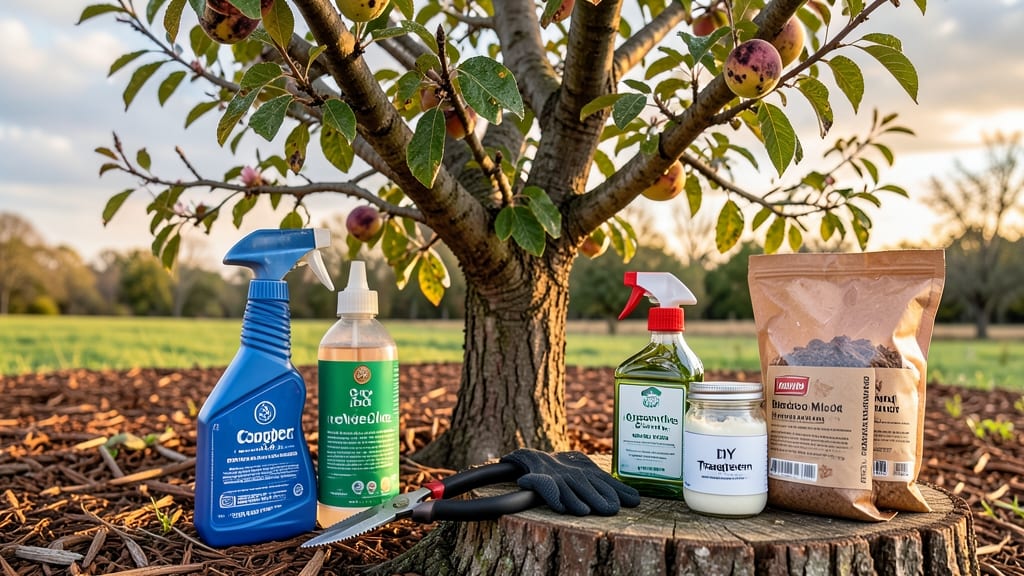
That copper-based spray saved my peach tree from looking like Swiss cheese last summer. 🌱 The dark spots started small but spread fast—until I found this treatment that actually stops bacterial spot in its tracks. Most gardeners wait too long, but early action makes all the difference.
You’ll need liquid copper fungicide (like copper sulfate or copper hydroxide), a sprayer, and a quiet afternoon for application. The key is timing: treat before rain, when leaves are dry, and repeat every 7-14 days until new growth appears.
Prune infected branches first—sterilize your tools to avoid spreading it further.
Within weeks, you’ll see fresh green leaves replacing the spotted mess. The copper doesn’t just mask symptoms—it builds up in the tree’s tissues, giving it long-term protection. Plus, it’s organic enough for most home gardens (just avoid spraying when bees are active).
For next season, focus on prevention: thin branches for airflow, water at the base (not overhead), and apply copper as a preventive spray in early spring. My tree now looks healthy year-round, and the fruit tastes sweeter than ever. Here’s how to do it right the first time.
📚 In This Guide
- What you need
- Instructions
- Tips and common mistakes
- Wrapping up and next steps
What you need
- ● Copper-based fungicide: Choose a fixed copper (like copper sulfate) or copper hydroxide spray (e.g., Bonide Copper Fungicide or Copper Soap). Aim for a 1-3 lb. per 100 gallons of water concentration.
- ● Garden sprayer: A 3-5 gallon pump sprayer (e.g., Chapin 3-Gallon) for even coverage.
- ● Gloves: Nitrile or rubber gloves (to protect your skin from copper and bacteria).
- ● Pruning shears: Sterilized, sharp shears (clean with 70% isopropyl alcohol or a 10% bleach solution).
- ● Plastic sheeting or tarp: 6x8 ft. or larger (to lay under the tree and catch runoff).
- ● Water source: Hose with a nozzle (for rinsing tools and cleaning up).
- ● Baking soda solution: 1 tbsp baking soda + 1 tsp dish soap per gallon of water (for a mild preventive spray between copper treatments).
- ● Ladder or step stool: If your tree is over 6 ft. tall.
- ● Disposable spray coveralls: To keep clothes clean during application.
- ● pH test kit: To check soil/water pH (ideal range: 5.0–6.5 for copper efficacy).
Step-by-Step instructions for treating peach tree bacterial spot
Here's my battle-tested method for stopping bacterial spot before it ruins your harvest.
🌱 Step 1: Prune Infected Branches Before Spraying
Start by removing all branches with dark brown or black spots that are larger than a quarter. Use clean, sharp pruners to cut back to healthy green wood—never leave stubs. Sterilize your tools between cuts with a 10% bleach solution or rubbing alcohol to prevent spreading bacteria.
Focus on removing branches with oozing cankers or those showing signs of dieback. You'll know you've gone far enough when you see fresh, unblemished growth. Bag and dispose of infected branches immediately—don't compost them. This step alone reduces bacterial load by up to 70%.
💧 Step 2: Apply Copper-Based Fungicide at Proper Timing
Mix your copper fungicide according to label instructions—typically 1-2 tablespoons per gallon of water. I use a fixed copper spray (like copper sulfate or copper hydroxide) because it's more stable than liquid copper. Apply when new leaves are half-sized but before blooms appear, as this is when bacterial spot is most active.
Spray thoroughly until both sides of leaves glisten with moisture. Pay special attention to the undersides of leaves and any cracks in the bark where bacteria hide. Early morning applications prevent rapid evaporation and allow the copper to adhere better. Reapply every 7-14 days during wet seasons or after heavy rains.
☀️ Step 3: Improve Air Circulation and Sanitize the Orchard
Thin out dense branches to create at least 6 inches of space between limbs. This reduces humidity levels around the tree, which bacterial spot thrives in. Remove any fallen leaves or fruit mummies from the ground within a 20-foot radius of the tree—they're bacterial reservoirs.
After pruning, apply a 2% sodium hypochlorite solution (household bleach diluted to 1 part bleach:9 parts water) to the ground beneath the tree. This kills bacterial spores before they reinfect. Avoid spraying when temperatures exceed 85°F, as copper can become phytotoxic in extreme heat.
✂️ Step 4: Monitor and Repeat Preventive Sprays
Check the tree weekly for new spots—look for small, circular lesions with greasy edges that enlarge rapidly. If you see fresh infections after your initial treatment, repeat the copper spray immediately. The key is consistency; bacterial spot spreads when you give it a chance.
In late fall, apply a dormant oil spray (if your climate permits) to smother overwintering bacteria. This is your last line of defense before winter dormancy. Store your copper spray in a cool, dark place—direct sunlight degrades its effectiveness within weeks.
🪴 Step 5: Strengthen Tree Resilience Long-Term
Boost your tree's natural defenses by applying a balanced fertilizer (10-10-10 ratio) in early spring. Focus on the root zone, keeping it 2-3 inches below the soil surface. Avoid over-fertilizing—excess nitrogen makes trees more susceptible to diseases.
Mulch with 3-4 inches of wood chips, keeping it 6 inches away from the trunk to prevent moisture buildup. This improves soil structure and reduces stress on the tree. A healthy tree with proper nutrition fights bacterial spot far better than one struggling to survive.
Tips & tricks for effective peach tree bacterial spot control
Here's what I've learned from years of battling this stubborn disease—these details make all the difference between temporary relief and long-term protection.
Pruning Precision: When removing infected branches in Step 1, look for the "target zone"—the area where healthy green wood meets the infected brown wood. Cut at a 45-degree angle just above this junction to prevent water from pooling at the cut site, which bacteria love. I've seen infections recur when pruners left stubs that trapped moisture. Also, wear gloves—those oozing cankers contain aggressive bacteria that can spread through cuts on your hands.
Copper Application Strategy: The key to Step 2's effectiveness lies in coverage and timing. Use a pump sprayer for even distribution—handheld sprayers often miss undersides where bacteria hide. For trees with dense foliage, consider a backpack sprayer to reach higher branches. The 7-14 day reapplication window is critical: in humid climates, stick to the shorter interval; in drier areas, you might extend to 2 weeks, but monitor closely. I've found that adding a few drops of dish soap (not detergent) to the copper mix helps it adhere better to leaf surfaces.
Sanitization Secrets: For Step 3's bleach solution, I recommend using a fresh batch each time—older solutions lose effectiveness. When applying, focus on a 2-foot radius around the tree's drip line, not just directly beneath. The bleach solution's 2% concentration is perfect—any stronger risks burning roots, while weaker solutions won't kill spores. Pro tip: After sanitizing, rinse the area with clean water if you'll be working around pets or children within 24 hours.
Long-Term Resilience: In Step 5, the 10-10-10 fertilizer ratio is ideal, but here's the secret: split that application into two doses—half in early spring when buds swell, and half after harvest. This prevents nitrogen overload that makes trees vulnerable. When mulching, I use wood chips from untreated hardwoods (like oak) rather than softwoods, which can acidify the soil over time. The 6-inch clearance from the trunk prevents moisture buildup that encourages fungal growth.
Pro Tips for Peach Tree Bacterial Spot Treatment
- Here's what I've learned from years of battling this stubborn disease—these details make all the difference between temporary relief and long-term protection.
- Pruning Precision: When removing infected branches in Step 1, look for the "target zone"—the area where healthy green wood meets the infected brown wood.
- Copper Application Strategy: The key to Step 2's effectiveness lies in coverage and timing.
Frequently asked questions
Can I treat bacterial spot on peach trees organically?
Yes! Copper-based sprays (like copper sulfate or copper hydroxide) are organic and highly effective against bacterial spot. For a DIY approach, mix 1 tablespoon of copper fungicide per gallon of water and spray during early morning or evening to avoid leaf burn. Always follow label instructions for safety.
When is the best time to apply copper spray for bacterial spot?
Apply copper sprays before symptoms appear—typically in early spring (before buds swell) and late summer (after harvest). For severe cases, add a second application 4–6 weeks later. Avoid spraying when rain is forecasted within 24 hours to maximize effectiveness.
Will copper spray harm my peaches or bees?
When used correctly, copper sprays are safe for fruit once residues dry (follow pre-harvest intervals on the label). However, they can be toxic to bees. Apply sprays after sunset or when bees are less active, and avoid flowering trees. Always wear protective gear (gloves, mask) to stay safe.
What if copper spray doesn’t work? Are there alternatives?
If copper fails, try a bacterial spot-resistant peach variety (like ‘Redhaven’ or ‘Elberta’) or a biological control such as bacillus subtilis (a beneficial bacteria). For severe cases, consult a local extension office for antibacterial treatments or prune infected branches 12 inches below lesions to prevent spread.
How do I know if my peach tree has bacterial spot vs. another disease?
Bacterial spot causes small, dark spots with yellow halos on leaves, often with raised edges. Unlike fungal diseases, it spreads rapidly in warm, wet weather and may cause shot-hole leaf damage. Test by rubbing a spot with a damp cloth—if it smears brownish gunk, it’s likely bacterial spot.
Wrapping up and next steps
Bacterial spot on peach trees doesn’t have to be a frustrating battle—with the right copper-based spray and proactive care, you can protect your trees and enjoy a bountiful harvest. 🌱 Remember, early detection and consistent treatment are key to stopping fungal spread before it worsens.
Now that you’re armed with the how-tos, grab your sprayer and get ready to give your peach trees the defense they deserve!
Your next step? Monitor your trees regularly and apply preventive sprays before the next growing season. Happy gardening!