
Size
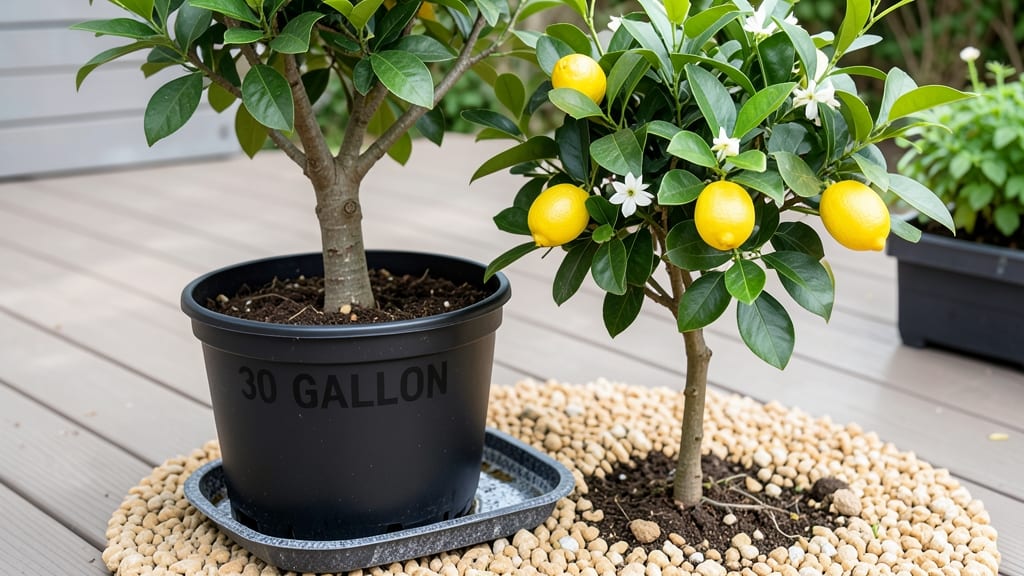
A 30-gallon tree size is your secret weapon for adding mature beauty without sacrificing yard space — perfect for small gardens, urban balconies, or tight corners where big trees just won’t fit.
Picture this: a 🌳 that looks like it’s been there for years but actually arrived in a container.
That’s the magic of the right 30-gallon tree — it grows fast enough to fill out your space in just a few seasons, yet stays compact enough to avoid the "too big, too soon" disaster. No more guessing if you’ve left enough room for roots or branches.
Whether you’re dreaming of a delicate Japanese maple casting shade on your patio or a fragrant flowering cherry to brighten a narrow alleyway, the key is choosing the right variety for your climate and style.
Some thrive in pots year-round, while others need a cozy spot in the ground but still won’t outgrow their welcome.
Below, I’ll break down the best space-saving trees for this size, how to pick the perfect one for your spot, and pro tips to keep it happy — whether it’s tucked into a container or planted in the ground. Ready to transform your space without the bulk?


Best small trees that fit in a 30-Gallon container
A 30-gallon container opens up possibilities for stunning, space-saving trees that would otherwise require yards of space. These compact varieties mature under 15 feet tall while delivering year-round interest, whether through vibrant foliage, delicate blooms, or seasonal color changes.
The key is selecting trees bred for container life, with slow growth rates and adaptable root systems. I’ve curated my top picks based on sunlight needs, growth habits, and seasonal appeal—all perfect for patios, balconies, or small urban gardens.
One of my favorites for 30-gallon containers is the Japanese Maple (Acer palmatum), particularly the 'Bloodgood' or 'Emperor I' varieties. These trees stay under 10 feet tall at maturity and offer breathtaking fall foliage colors ranging from fiery red to deep purple.
Their slow growth means they’ll fit comfortably in a container for years before needing repotting. Pair it with a well-draining soil mix and partial shade to keep the leaves vibrant all season.
For those craving edible rewards, dwarf fruit trees like Citrus 'Improved Meyer Lemon' or Apple 'Columnar' are game-changers. These trees thrive in 30-gallon pots and produce abundant fruit while staying under 8 feet tall.
They love full sun and need regular watering, but the payoff—homegrown lemons or apples—is unmatched. Just be prepared to bring them indoors during winter if you live in a cold climate.
Ornamental cherries, such as Prunus 'Shirotae' (Snow Fountain), add a touch of whimsy with their cascading branches and spring blossoms. This variety grows to about 12 feet tall and thrives in full sun, making it ideal for containers on sunny patios.
The double pink flowers create a stunning focal point, and the tree’s slow growth ensures it stays manageable in a 30-gallon pot.
Now, let’s compare some of the best options side by side to help you decide which fits your space and style best.
| Tree Variety | Mature Height | Sunlight Needs | Growth Rate | Seasonal Interest |
|---|---|---|---|---|
| Japanese Maple 'Bloodgood' | 8-10 ft | Partial shade | Slow | Red fall foliage |
| Citrus 'Improved Meyer Lemon' | 6-8 ft | Full sun | Moderate | Year-round fruit, spring blooms |
| Prunus 'Shirotae' (Snow Fountain) | 10-12 ft | Full sun | Slow | Spring blossoms, weeping habit |
| Dwarf Alberta Spruce | 8-10 ft | Full sun to partial shade | Very slow | Evergreen, dense foliage |
| Apple 'Columnar' | 8-10 ft | Full sun | Moderate | Spring blooms, summer fruit |
If you’re after a low-maintenance evergreen, the Dwarf Alberta Spruce is a fantastic choice. This tree stays under 10 feet tall and maintains its dense, blue-green foliage year-round. It’s perfect for adding structure to your container garden and thrives in full sun to partial shade.
Its slow growth means it won’t outgrow its pot quickly, making it ideal for long-term container gardening.
For a fragrant addition to your space, consider Dwarf Flowering Cherry (Prunus serrulata). Varieties like 'Kwanzan' produce stunning pink double blooms in spring and grow to about 12 feet tall.
These trees love full sun and add a romantic touch to patios or small gardens. Just ensure your 30-gallon container has adequate drainage to prevent root rot.
One often-overlooked gem is the Olive Tree (Olea europaea), particularly dwarf varieties like 'Little Ollie.' These trees are drought-tolerant once established, thrive in full sun, and stay under 10 feet tall.
They offer silvery-green foliage and small white flowers, making them a versatile choice for both urban and rural settings. Their slow growth and adaptability make them perfect for 30-gallon containers.
When selecting your tree, consider your local climate and how much time you can dedicate to care. For example, citrus trees need winter protection in colder zones, while evergreens like the Dwarf Alberta Spruce handle frost better.
Always choose a container with drainage holes and use a well-aerated potting mix to prevent waterlogging. With the right tree, your 30-gallon container can become a stunning focal point that brings joy for years to come.
Remember, the key to success is regular pruning to maintain shape and size, along with seasonal adjustments like moving containers indoors during winter. Happy gardening!
How to choose the right 30-Gallon tree for your climate and style
A 30-gallon tree size is perfect for small spaces, patios, or urban gardens where you want mature beauty without overwhelming your landscape. The key is matching your climate zone, design goals, and functional needs—whether you need shade, privacy, or seasonal color.
Let’s break down how to pick the ideal tree for your needs.
Start by checking your USDA hardiness zone to ensure your chosen tree can survive winter. For example, a Lemon Tree thrives in zones 9-11, while a Dwarf Alberta Spruce handles zones 2-6.
Next, consider your yard’s sunlight exposure—some varieties, like Japanese Maple, prefer partial shade, while others, such as Crape Myrtle, love full sun.
Here’s a quick guide to help you narrow down your options based on climate, style, and functionality:
- Dwarf Alberta Spruce – Compact evergreen for year-round color.
- Korean Lilac – Fragrant spring blooms, drought-tolerant.
- Dwarf Honey Locust – Fast-growing shade tree with minimal mess.
- Lemon Tree – Citrus fragrance and edible fruit (zones 9-11).
- Olive Tree – Drought-resistant with silvery foliage.
- Mexican Orange – Bright flowers and small fruit for containers.
- Dwarf Fruit Trees – Apple, peach, or plum in 5-gallon pots (start small!).
- Japanese Maple – Stunning foliage in partial shade.
- Crepe Myrtle – Vibrant summer blooms, heat-tolerant.
- Dwarf Russian Olive – Thrives on neglect, drought-resistant.
- Boxwood – Evergreen hedge or topiary option.
- Dwarf Pomegranate – Hardy, produces fruit with minimal care.
Think about the function of your tree—do you need shade, privacy, or seasonal interest? For example, a Crape Myrtle offers summer blooms and shade, while a Dwarf Alberta Spruce provides year-round greenery for privacy.
If you’re in an urban area, opt for container-friendly varieties like Dwarf Fruit Trees or Olive Trees that can be moved seasonally.
Don’t forget to consider mature size—even a 30-gallon tree can grow taller than expected. Always check the mature height and spread to avoid future crowding. For instance, a Japanese Maple might stay under 10 feet, while a Dwarf Honey Locust can reach 15 feet. Measure your space before committing!
Finally, align your choice with your aesthetic preferences. Love colorful blooms? Try a Crape Myrtle or Korean Lilac. Prefer evergreen structure? A Dwarf Alberta Spruce or Boxwood will add year-round interest.
With the right 30-gallon tree, you’ll create a focal point that fits your climate, style, and space—without the hassle of a full-sized tree.