
Pests and Diseases
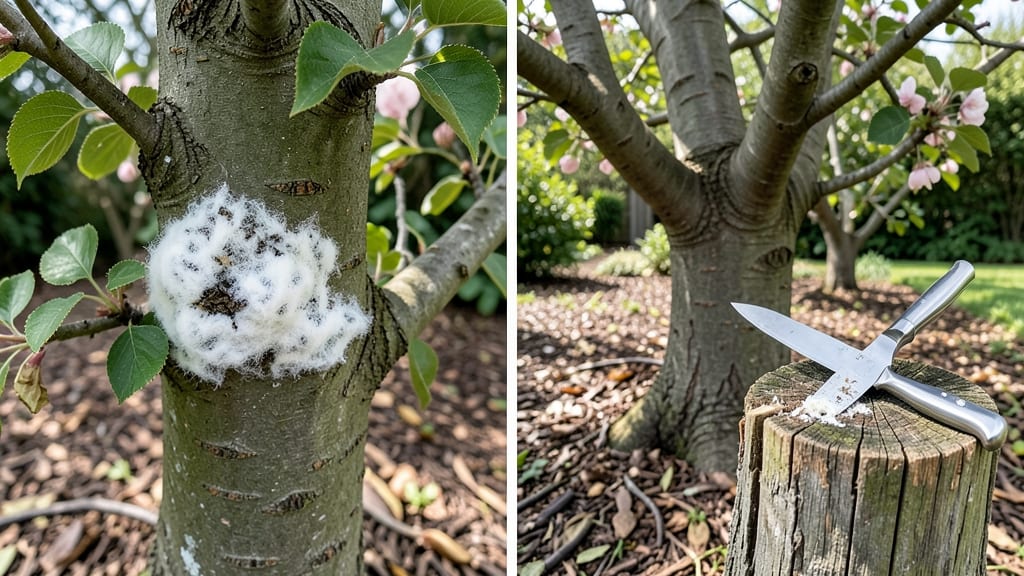
That chalky white fungus creeping up your apple tree bark isn’t just unsightly—it’s a warning sign your tree’s health is under attack. ✨ I’ve seen this exact problem turn vibrant orchards into struggling shadows, but the good news?
You can stop it before it spreads if you act now. The key is knowing whether it’s harmless lichen or something more serious like powdery mildew or even apple scab.
Most of the time, this white growth is lichen—harmless, actually—but if it’s fuzzy, powdery, or oozing, your tree might be fighting powdery mildew or bacterial canker. The first step is identifying the culprit by scraping a tiny bit (gently!) and checking the texture and location.
Once you know what you’re dealing with, treatment becomes straightforward—whether it’s pruning, fungicide, or even a simple baking soda spray.
You’ll restore your tree’s bark to its natural, healthy look within weeks if you start treatment early. The bark will stop cracking, new growth will emerge stronger, and your apples will stay safe from infection. The best part? Most solutions are organic and won’t harm bees or your family.
If the fungus keeps coming back or the bark looks severely damaged, it’s time to call in a professional. But for now, grab your pruners and let’s get that tree back to thriving—before next season’s harvest is at risk.
Root Causes of Bark Fungus
When you spot that unsettling white fungus creeping up your apple tree’s bark, it’s usually a sign of environmental stress or microbial activity taking hold. Understanding the why behind it helps you tackle the problem at its source.
Let’s break down the most common culprits—each with its own triggers and behaviors.
Fungi thrive in damp conditions, and apple tree bark is no exception. When soil stays soggy—whether from overwatering, heavy rainfall, or compacted ground—the bark doesn’t dry properly. This creates the perfect breeding ground for Nectria, Botryosphaeria, or even Stereum species, which cause white, fuzzy growths.
- Why it happens: Waterlogged bark traps moisture against the tree, preventing it from drying out. Fungal spores, always present in the environment, latch onto the damp surface and germinate.
- Actionable clue: Check for bark that stays wet to the touch even hours after rain. If the soil around the base feels like a sponge, drainage is likely the issue.
- Pro tip: 💡 Mulch properly—use organic mulch (like wood chips) but keep it 2–3 inches away from the trunk to allow airflow. Improve soil drainage with compost or sand amendments if your yard holds water.
A healthy apple tree’s bark has natural antifungal compounds and a protective layer of lichen or bark texture that repels invaders. But when the tree is stressed—due to nutrient deficiencies, physical damage, or prior infections—its defenses drop, making it vulnerable to fungal colonization.
- Why it happens:
- Nutrient deficiencies: Low potassium or phosphorus weakens cell walls, making bark easier to penetrate.
- Physical wounds: Cracks from hail, frost, or improper pruning create entry points for spores.
- Prior infections: If the tree already battles fire blight or apple scab, its immune system is compromised.
- Actionable clue: Look for yellowing leaves, stunted growth, or oozing sap near fungal patches—these are red flags for systemic stress.
- Pro tip: 🌡️ Boost tree health with a balanced fertilizer (high in potassium) in early spring. Prune only during dormancy and sterilize tools with rubbing alcohol to prevent spreading pathogens.
Apple trees need sunlight and airflow to stay dry and resilient. When they’re planted too close together or shaded by taller trees/structures, humidity lingers, and bark remains damp longer. This slows drying and encourages fungal spores to sprout.
- Why it happens:
- Poor airflow: Dense foliage or nearby buildings trap moisture against the bark.
- Shade stress: Reduced sunlight weakens photosynthesis, leaving the tree energy-starved and prone to infections.
- Actionable clue: If your tree is in a low-light area or surrounded by other plants touching its trunk, airflow is likely restricted.
- Pro tip: ✨ Prune strategically—thin out branches to improve airflow, and consider relocating the tree if it’s permanently shaded. A south-facing spot with 6+ hours of sunlight is ideal.
Sometimes, the white fungus isn’t the primary problem—it’s a secondary invader exploiting damage caused by pests or wildlife. Insects like borers or aphids create wounds, while animals (like rabbits or deer) can gnaw bark, leaving raw, exposed tissue for fungi to colonize.
- Why it happens:
- Insect tunnels: Wood-boring beetles weaken bark integrity, creating moist microclimates.
- Sap-feeding pests: Aphids or scale insects inject toxins that stress the tree, making it susceptible to fungal takeover.
- Animal gnawing: Chewed bark exposes cambium (the tree’s growth layer), which oozes sap—a fungal magnet.
- Actionable clue: Look for tiny holes, sawdust-like frass (insect droppings), or irregular bite marks near fungal patches.
- Pro tip: 🎯 Treat pests first—apply neem oil or insecticidal soap for soft-bodied pests, and use bait stations for borers. Protect young trees with tree guards to deter animals.
Once you pinpoint the root cause, you can target treatments more effectively. The next step? Learn how to stop the spread before it reaches your fruit.
Fixing fungal issues on apple trees
Fungal growth on apple tree bark isn’t just an eyesore—it can weaken your tree, reduce fruit quality, and even kill it if left unchecked. The good news? Most white fungal issues are treatable with the right approach.
Below, we’ll break down practical solutions tailored to the most common causes, from quick fixes to long-term prevention. Let’s get your tree back to healthy glory!
Lichen and moss are harmless but unsightly, thriving in damp, shaded conditions. They don’t harm the tree directly, but they can trap moisture and create a cozy environment for real fungal problems.
🔥 How to Remove It
- Scrub Gently 🧼
- Use a soft-bristle brush (or an old toothbrush) and a mix of water and mild dish soap (1 tbsp per gallon).
- Scrub in circular motions to lift debris without damaging the bark.
- Pro tip: 💡 Work on a dry, sunny day—lichen dries out faster in direct sunlight.
- Prune for Sunlight ☀️
- Thin out dense branches to improve airflow and sunlight exposure.
- Focus on lower branches that block light from reaching the trunk.
- Prevent Regrowth
- Apply a copper-based fungicide (like Bordeaux mixture) to discourage future growth.
- Bonus: 🌡️ Keep the base of the tree dry by improving drainage or using gravel mulch (not wood chips, which retain moisture).
Powdery mildew appears as white, powdery patches and thrives in humid, shady conditions. While it doesn’t kill the tree, it weakens it and reduces fruit yield.
🍳 How to Treat It
- Prune for Airflow 🌬️
- Remove crowded branches and dead wood to improve circulation.
- Space trees 6–10 feet apart if replanting.
- Apply Fungicides 🛡️ - Neem oil (natural, organic option): Mix 1 tbsp neem oil + 1 tsp mild soap + 1 quart water.
Spray every 7–10 days until symptoms disappear. - Sulfur-based sprays (like Liqui-Cop): Follow label instructions for preventative applications (especially before humid seasons). - Warning: ⚠️ Avoid sulfur if temps exceed 90°F—it can burn leaves!
- Water Wisely 💧
- Water early in the morning so foliage dries quickly.
- Avoid overhead irrigation—use drip systems instead.
- Clean Up Debris 🧹
- Remove fallen leaves and fruit mummies (dried, infected fruit) from the ground.
- Pro tip: ✨ Sterilize pruners with rubbing alcohol between cuts to prevent spreading spores.
Apple scab (Venturia inaequalis) causes dark, velvety spots with a white fungal mat underneath. It’s more aggressive than powdery mildew and can defoliate trees.
👨🍳 How to Eradicate It
- Remove Infected Leaves 🍂
- Rake up and dispose of (don’t compost!) all fallen leaves in autumn.
- Prune and burn or trash heavily infected branches.
- Use Fungicidal Sprays 💊
- Copper fungicides (like Copper Soap): Apply every 10–14 days during spring bloom.
- Systemic fungicides (e.g., Mancozeb): Follow label rates for preventative sprays before symptoms appear.
- Organic option: 🌿 Baking soda spray (1 tbsp baking soda + 1 tsp oil + 1 gallon water + a drop of soap) can help in early stages.
- Adjust Planting Practices 🌳
- Plant resistant varieties (e.g., ‘Liberty,’ ‘Enterprise,’ or ‘GoldRush’).
- Space trees properly (6–10 ft apart) to reduce humidity in the canopy.
- Monitor Weather 🌦️
- Scab thrives in cool, wet springs. Check local fungal forecasts (like from your agricultural extension office) to time sprays.
Once you’ve treated the issue, stop it from coming back with these long-term strategies:
- 🌡️ Improve Drainage – Avoid planting in low-lying areas where water pools.
Use raised beds if needed. - ☀️ Choose the Right Location – Plant apple trees in full sun (6+ hours/day) and well-draining soil. - 🍂 Clean Up Annually – Remove all debris (leaves, fruit, weeds) from under the tree in fall. - 🔄 Rotate Fungicides – If using chemicals, switch types yearly to prevent resistance. - 🌿 Mulch Smartly – Use straw or gravel (not wood chips) to keep the base dry and aerated.
Final Note: 🎯 Consistency is key! Fungal issues often return if you stop treatments too soon. Stay vigilant, especially during spring and fall, when conditions are most favorable for spores to spread.
With the right care, your apple tree will bounce back—and you’ll be back to harvesting juicy, disease-free fruit in no time!
Frequently asked questions
Is white fungus on apple tree bark always harmful?
Not necessarily! If it’s lichen or moss, it’s usually harmless and just thrives in damp, shaded areas. However, if the growth is powdery, fuzzy, or oozing, it could be powdery mildew, apple scab, or bacterial canker—these require treatment to protect your tree’s health.
Can I use vinegar to remove white fungus from my apple tree?
Vinegar can help for lichen or moss in a pinch, but it’s not ideal for fungal infections. Mix 1 part white vinegar with 3 parts water and spray it on a dry day—just avoid using it if the tree has active powdery mildew or scab, as vinegar can harm the bark over time.
How often should I apply fungicide to prevent regrowth?
For preventative care, apply fungicide every 2–4 weeks during spring and fall—the most humid seasons. If your tree has had past infections, consider monthly applications until the fungus disappears completely. Always follow the product’s instructions for best results.
Will pruning help stop white fungus from spreading?
Pruning improves airflow and removes infected branches, which cuts off the fungus’s food source. Focus on thinning dense areas and sterilizing tools with rubbing alcohol between cuts to prevent spreading spores to healthy parts of the tree.
When should I call a professional arborist?
If the white fungus keeps returning despite your efforts, or if the bark shows deep cracks, oozing sap, or large dead patches, it’s time to call an expert. Severe cases might need professional fungicides or tree surgery, especially if the tree is young or valuable.