
Plants
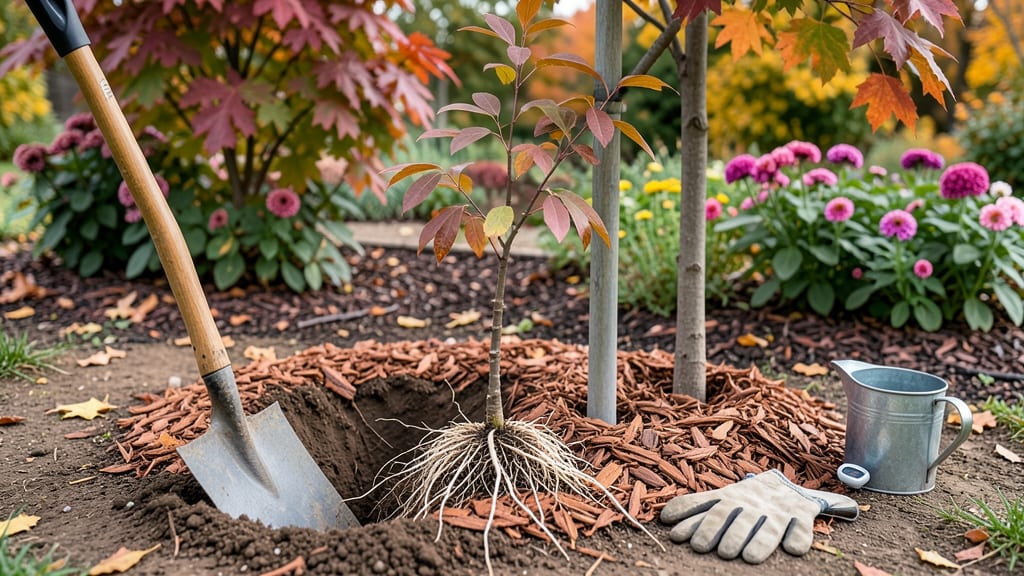
Planting a dogwood tree in fall lets it establish roots before winter’s chill—just 4 to 6 weeks before your first frost is the sweet spot for 6a zones like mine.
Picture this: You’ve picked your perfect spot, the soil’s ready, and the weather’s cooperating—then a late frost hits. That’s how you end up with a stunted tree instead of a thriving one. Timing isn’t just about the calendar; it’s about giving your dogwood 🌳 the best shot at survival.
Fall planting works because cooler temps mean less stress on the tree, and the ground stays warm enough for roots to grow. But rush it, and you risk winter damage.
Below, I’ll break down the exact windows for your region, plus soil prep tips to set your dogwood up for spring blooms.
You’ll also learn how to read your local climate clues—like leaf drop and soil temps—to nail the perfect planting date. No more guesswork, just stronger roots and a tree that’s ready to shine next season.
Best fall planting windows for dogwood trees by USDA hardiness zones
Fall planting gives dogwood trees a critical head start—their roots establish before winter dormancy. But timing varies dramatically by USDA zone. Plant too early, and roots may grow too fast; too late, and frost can damage tender new growth.
Let’s break down the ideal windows for zones 3 through 8.
Dogwoods thrive when planted 4-6 weeks before the first hard frost. This window balances root development with temperature safety. In warmer zones, you have more flexibility, while colder zones require earlier action. Always check your local frost date for precision.
🌱
In Zones 3-4, dogwoods need early planting to avoid winter kill. Aim for mid-August when soil temps hover around 50-60°F. These northern climates have the shortest growing season, so roots must establish quickly before ground freezes.
For Zones 5-6, late September to mid-October works best. Soil should stay above 55°F for 4-6 weeks post-planting. If your area has unpredictable frosts, err on the earlier side. A soil thermometer is your best tool here.
Southern zones (7-8) offer the most flexibility, with October-November being ideal. Warmer soils (60-70°F) allow roots to grow faster, but avoid planting after early November—late rains can delay root hardening before winter.
Watch for leaf color changes in nearby trees as a natural cue. When maples or oaks start turning, it’s often time to plant. Pair this with a 10-day weather forecast to avoid rain-heavy periods that can compact soil around roots.
🌿
After planting, water deeply every 7-10 days until the ground freezes. Dogwoods planted in fall need consistent moisture to strengthen root systems before dormancy. In drought-prone zones, consider a drip irrigation system for the first winter.
Mulch heavily (3-4 inches) with wood chips or straw to protect roots from temperature swings. Remove mulch in early spring to prevent moisture retention that can cause rot. This simple step can double survival rates in colder zones.
🪴
Signs your fall planting timing is perfect (or too late)
Timing your dogwood tree planting in fall is all about reading your local climate and soil conditions. The goal? Giving roots time to establish before winter dormancy kicks in.
Plant too early, and your tree may struggle with heat stress; too late, and it won’t anchor before frost. Here’s how to tell when it’s just right.
First, check your soil temperature. Ideal fall planting occurs when soil temps hover between 45°F and 60°F. Use a soil thermometer to test—if it’s warmer, wait a week or two. Cooler temps slow root growth, but frost-sensitive dogwoods need time to harden off. Balance is key!
- Soil temp: 45°F–60°F (test 6" deep)
- Leaf drop: 50–70% of nearby trees (maples, oaks)
- Frost window: 4–6 weeks until first frost
- Weather: Stable temps (no heatwaves or hard freezes)
- Moisture: Well-drained soil (no standing water)
Watch for leaf drop in nearby trees like maples or oaks—this signals nature’s countdown to winter. Aim to plant when 50–70% of leaves have fallen. Dogwoods thrive with this natural dormancy cue, but avoid planting after 70% drop, as roots may not establish before frost.
Consult your local weather forecast for the first frost date. Plant your dogwood 4–6 weeks before this date to give roots time to grow. In USDA Zone 6a, this typically means mid-October, while Zone 8a may extend to early November. Use a frost-freeze calculator for precision.
Finally, inspect your planting site. The soil should be moist but not soggy, with no standing water. Dogwoods hate waterlogged roots, so test drainage by digging a hole and filling it with water—if it drains within an hour, it’s ready.
Amend clay soil with compost to improve aeration.
If you miss the window, don’t panic! Plant in early spring instead, but avoid late fall—frost damage to new roots can kill your tree before it even grows. With these signs, you’ll nail the perfect timing for a healthy, blooming dogwood next spring. 🌷