
Propagation
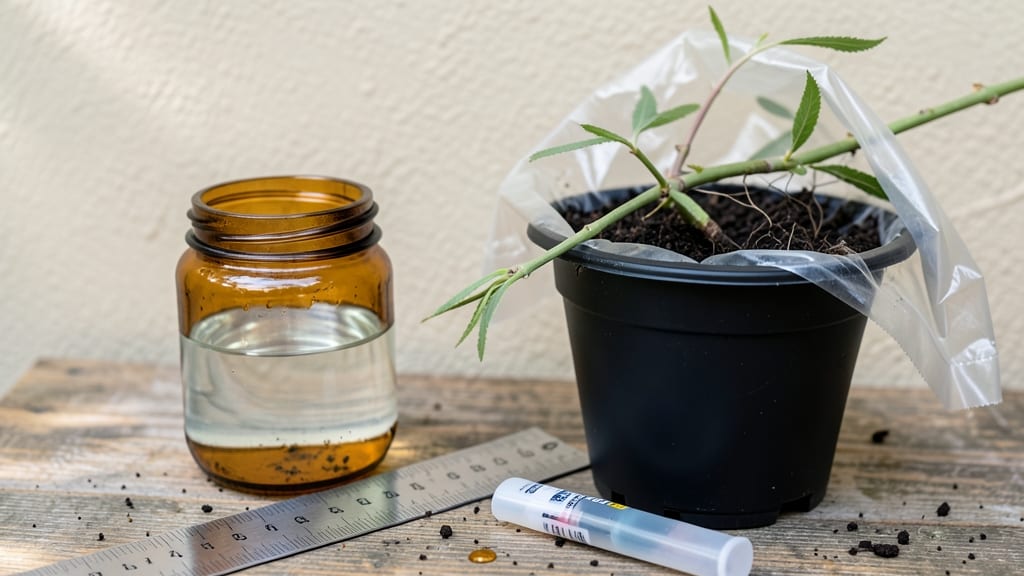
Yes, a tree branch can grow roots when you propagate it correctly through methods like air layering or stem cutting, which trigger natural root development through hormonal signals and environmental conditions.
This process works because tree branches contain dormant cells in their cambium layer that can transform into root-forming tissues when stimulated. 🌱 The key is creating the right conditions—moisture, warmth, and protection from drying out—which encourage the branch to produce its own root system.
I’ve seen dramatic results with willow branches, where roots appear in just 4-6 weeks when using air layering with damp sphagnum moss.
What’s fascinating is how the branch’s natural hormones—like auxin—shift from promoting growth upward to signaling downward root development. This biological switch happens when you interrupt the branch’s connection to the parent tree, creating a wound response that kickstarts the rooting process.
💡 In This Article
- How Tree Branches Develop Roots: The Science of Propagation
- Step-by-Step Methods to Root Tree Branches at Home
How tree branches develop roots: the science of propagation
The rooting process begins with the branch's cambium layer—a thin, living tissue between the bark and wood that contains undifferentiated cells capable of forming new roots.
When you trigger root growth through methods like air layering or stem cutting, these cells receive hormonal signals, primarily auxin, which shifts from promoting upward growth to stimulating downward root development. This hormonal shift is what transforms dormant cells into root-forming tissues, a process called adventitious rooting. 🌿
Environmental factors play a critical role in this transformation. For example, maintaining 70-80% humidity around the branch prevents dehydration and keeps the wound site moist, which is essential for root initiation.
Temperature also matters—ideal rooting occurs between 65-75°F, as cooler temperatures slow metabolic activity while excessive heat can cause stress. Light exposure is another key factor: branches need indirect light to support photosynthesis, which provides energy for root growth, but direct sunlight can scorch tender new tissues.
The wound response is equally important. When you cut or damage the branch, it triggers a defensive reaction that includes the production of callus tissue—a protective barrier that seals the wound and creates an environment for root formation.
This callus acts as a foundation where root primordia (tiny root buds) develop within 2-4 weeks, depending on the tree species. For instance, willow branches root quickly because their cambium is highly active, while oak branches may take 8-12 weeks due to slower metabolic processes. 🌱
Moisture is the final piece of the puzzle. Roots need consistent hydration to grow, but overwatering can suffocate them by depriving oxygen. A well-draining propagation medium—like a mix of 50% perlite and 50% peat moss—balances moisture retention and aeration.
This medium mimics the natural forest floor conditions that encourage root development, providing both hydration and the microbial activity that supports early root growth.
What’s often overlooked is the role of cytokinins, another plant hormone that works alongside auxin to regulate cell division. These hormones create a feedback loop: auxin promotes root growth, while cytokinins ensure the right balance of cell proliferation.
This hormonal interplay is why some branches root effortlessly while others resist—it’s not just about the method but also the branch’s genetic predisposition and hormonal readiness. 💫
For example, branches from softwood trees (like willow or poplar) root more easily because their vascular systems are already adapted to rapid growth, while hardwood branches (like maple or oak) require more patience due to their denser structure.
Understanding these biological nuances can mean the difference between success and failure in propagation—knowledge that turns a simple branch into a thriving new tree.