
Light Requirements
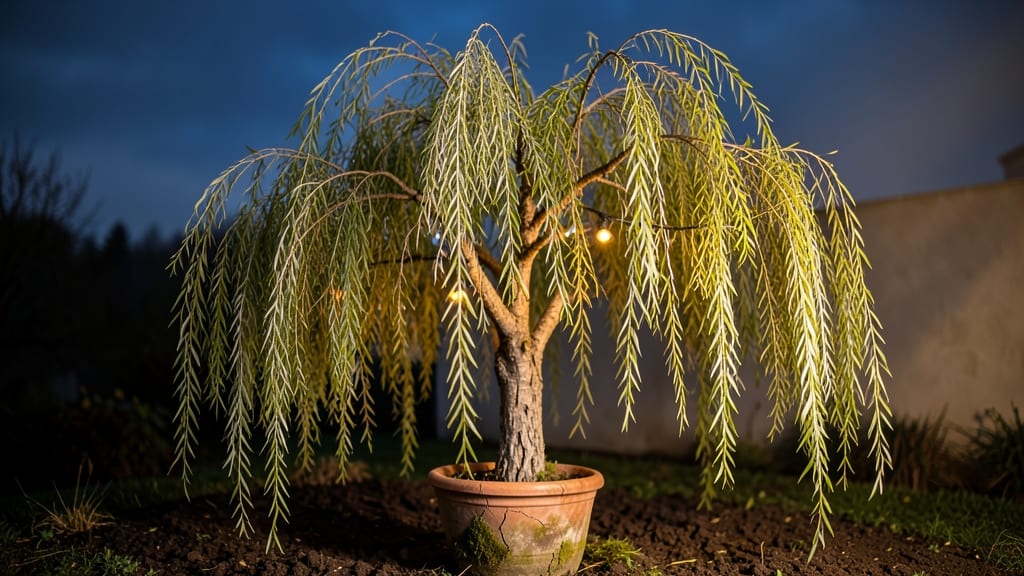
Weeping willow tree light transforms your garden into a moonlit sanctuary. 🌿 The cascading branches create natural drapes of shadow and light, turning ordinary evenings into magical moments. I’ve watched mine glow like liquid gold at dusk, turning a simple backyard into a serene retreat.
The secret lies in strategic placement—near water features or open lawns where the light can spill dramatically. Pair it with uplighting to highlight the weeping branches or string lights woven through the canopy for a dreamy effect.
Even a single spotlight can make the tree feel like the star of the show. You’ll love how the interplay of light and foliage changes with the seasons—spring’s fresh green leaves catching morning rays, summer’s dense canopy providing cool shade, and winter’s bare branches catching the first frost.
The tree becomes the centerpiece without needing extra decorations. For best results, plant it where it won’t block future structures, and use ground covers to soften the base. The lighting should enhance the tree’s natural elegance, not compete with it. Let’s make your garden unforgettable!
📚 In This Guide
- What you need
- Instructions
- Tips and common mistakes
- Wrapping up and next steps
What you need
- ● LED String Lights: 200–300 feet of waterproof, solar-powered or battery-operated string lights (20–30 LEDs per foot, warm white or soft amber for a dreamy effect).
- ○ Optional: Smart LED strings with adjustable brightness/color for customization.
- ● Weatherproof Clips or Stakes: 10–15 heavy-duty zip ties or garden clips (for securing lights to branches).
- ● 5–10 ground stakes (if anchoring lights to the base).
- ● Power Source: Solar panel kit (if using solar lights) OR a high-capacity battery pack (for battery-powered lights).
- ● Extension cord (if plugging into an outlet).
- ● Safety Gear: Work gloves (to protect hands while handling branches).
- ● Step ladder or tree-friendly climbing gear (if working high up).
- ● Fiber Optic Cables: For a whimsical, starry-night effect (attach to branches with clear tape).
- ● Projector with Nature Scenes: Mount a waterproof projector near the base to cast moving clouds or fireflies onto the leaves.
- ● Fairy Light Lanterns: Hang 3–5 glass or metal lanterns among the branches for a vintage glow.
- ● Motion-Activated Lights: Add solar-powered path lights around the tree base for extra ambiance.
- ● Weatherproof Sealant: Spray clear silicone on connections to prevent water damage.
- ● A healthy, mature weeping willow tree with flexible branches (diameter of at least 1–2 inches for secure attachment).
- ● Access to a power source (outlet, solar panel, or battery) near the tree.
- ● Clearance to work safely around the tree (avoid wet ground or strong winds).
- ● Permission if the tree is on shared or rented property.
How to light a weeping willow tree for stunning nighttime drama
Transform your weeping willow into a mesmerizing focal point—here's how to highlight its graceful branches with strategic lighting.
🌿 Step 1: Assess the Tree's Natural Shape and Height
Start by examining your weeping willow's canopy spread and height. These trees often grow 15-25 feet tall with branches cascading gracefully. Walk around the tree to identify the highest points and lowest drooping tips—these will determine your lighting placement. I like to sketch a quick outline in my notebook to visualize where light should be positioned.
Notice how sunlight naturally hits the tree during the day. The areas that catch the most light will need softer, diffused lighting at night to avoid harsh contrasts. If your willow sits near a building or fence, plan to place lights on the opposite side to prevent glare from reflecting back.
☀️ Step 2: Choose the Right Lighting Fixtures for Dramatic Effect
For a weeping willow, I recommend spotlights or floodlights with adjustable angles—these let you direct light upward along the branches. LED string lights work beautifully for a softer, romantic glow, especially if you want to outline the cascading branches. Place 4-6 string lights along the lowest drooping tips to create a "waterfall" effect when lit.
Avoid overhead floodlights that create harsh shadows. Instead, use downward-facing spotlights positioned 10-15 feet away from the trunk to illuminate the canopy without washing out the foliage. For a more subtle look, solar-powered stake lights can be placed around the base to highlight the trunk and roots.
🪴 Step 3: Install Lights for Maximum Visual Impact
Begin by installing spotlights or floodlights at trunk level, angling them upward at a 45-degree angle to follow the natural curve of the branches. Use weatherproof fixtures rated for outdoor use—your weeping willow will be exposed to rain and wind. I like to mount these on adjustable brackets so I can fine-tune the angle as the tree grows.
For the cascading branches, drape LED string lights along the lowest limbs, spacing them 12-18 inches apart. Secure them with zip ties or small clips to avoid damaging the bark. If you're using solar-powered lights, place them in full sun during the day so they charge fully for nighttime illumination.
⏰ Step 4: Test and Adjust for the Perfect Glow
Turn on the lights at dusk to see how they interact with the tree's natural silhouette. If the canopy looks too bright, dim the spotlights slightly or add sheer fabric diffusers to soften the light. For a more dramatic effect, try color-changing LED bulbs—warm whites create a cozy ambiance, while cool blues add a magical touch.
Walk around the tree at night to check for uneven lighting or dark spots. Adjust the angles of your spotlights or add additional string lights to fill in gaps. The goal is to highlight the graceful arcs of the branches while keeping the lighting natural and inviting. If you notice flickering or dim lights, check your wiring or replace batteries in solar-powered fixtures.
💡 Step 5: Maintain for Long-Term Beauty
Inspect your lighting setup seasonally, especially after storms or strong winds. Replace any broken bulbs or damaged fixtures immediately to keep the effect consistent. Prune back any overgrown branches that might block light or interfere with fixtures—this ensures your lighting stays effective as the tree matures.
For a low-maintenance solution, opt for solar-powered lights that require no wiring. If you're using hardwired fixtures, consider adding a timer or smart plug to automate lighting schedules. This way, your weeping willow will glow beautifully without manual intervention every evening.
Tips & tricks for perfect weeping willow tree lighting
Here's what nobody tells you about making your willow glow like a dream—these tricks will save you hours of trial and error.
Light Placement Strategy: Place your downward-facing spotlights about 10-15 feet away from the trunk—this creates that magical "backlit" effect that makes the branches appear to float. I've found that positioning them slightly higher than eye level (around 6-7 feet) gives the most dramatic silhouette. For the cascading branches, drape those 4-6 LED string lights along the lowest limbs, but don't be afraid to weave them through the branches for a more organic look. The key is to mimic how sunlight naturally filters through foliage during the day.
Seasonal Lighting Adjustments: If you're installing this in spring or summer when the canopy is full, you might need fewer string lights—the leaves will naturally diffuse the light. In fall or winter when branches are bare, add 2-3 extra string lights to maintain that lush appearance. I learned this the hard way after my first winter display looked sparse! Also, consider using warm white bulbs (2700K-3000K) in summer for a cozy glow and cool white (4000K) in winter for a crisp, elegant look.
Weatherproofing Secrets: Most people overlook how important it is to secure fixtures against wind and rain. Use stainless steel zip ties (not plastic—they degrade) to attach string lights, and mount spotlights with heavy-duty outdoor-rated brackets. For solar-powered options, choose models with IP65 or higher water resistance ratings. I keep a small toolkit with extra zip ties and a multi-tool nearby during installation—you'll thank me when a summer storm rolls through.
Color Temperature Insights: The color of your LED bulbs makes a surprisingly big difference. For a romantic garden setting, stick with 2700K-3000K warm white—it casts a soft glow that enhances the tree's natural beauty. If you want to create a moody, cinematic effect, try 4000K cool white or even 5000K daylight for a stark contrast against the dark branches. Pro tip: Many smart bulbs let you adjust color temperature remotely, so you can change the mood seasonally without redoing the whole setup.
Pro Tips for Weeping Willow Tree Light
- Here's what nobody tells you about making your willow glow like a dream—these tricks will save you hours of trial and error.
- Light Placement Strategy: Place your downward-facing spotlights about 10-15 feet away from the trunk—this creates that magical "backlit" effect that makes the branches appear to float.
- Seasonal Lighting Adjustments: If you're installing this in spring or summer when the canopy is full, you might need fewer string lights—the leaves will naturally diffuse the light.
Frequently asked questions
Got questions about illuminating a weeping willow tree with the perfect light? Here are some common concerns—and their answers—to help you create a stunning, drama-filled garden scene.
What’s the best type of lighting for a weeping willow tree?
For a weeping willow’s graceful, cascading branches, spotlights or floodlights with adjustable angles work best. Avoid harsh LED strips—they can create unflattering shadows. Opt for warm white (2700K–3000K) bulbs to enhance the tree’s natural elegance while highlighting its texture.
When is the ideal time to install tree lighting?
Install lighting before winter (late fall) or early spring to avoid disturbing roots during peak growth. If retrofitting, do it on a cloudy day or evening—this minimizes stress on the tree. Always turn off lights during daylight to conserve energy and reduce light pollution.
How do I prevent light from reflecting into neighbors’ yards?
Use shielded fixtures (like downlighting or uplighting with diffusers) to direct light downward. Angle spotlights toward the tree’s canopy and away from property lines. A quick test: Stand where your neighbor would—if you see bright light, adjust the fixture or add a light shield.
Why isn’t my weeping willow lighting up evenly?
Uneven lighting often stems from poor fixture placement or obstructed branches. Trim overgrown limbs in the light path, and add multiple fixtures at different heights (e.g., ground-level + mid-canopy). For large trees, consider solar-powered path lights along the base to complement the main illumination.
Are there eco-friendly alternatives to traditional tree lights?
Yes! Try solar-powered LED uplights (recharge during the day) or low-voltage landscape lighting with timers to reduce energy use. For a magical touch, fiber optic tree lights (battery-operated) mimic twinkling stars without harsh glare. Just ensure they’re waterproof and rated for outdoor use.
Wrapping up and next steps
The weeping willow tree light transforms your garden into a serene, magical space with its soft, dramatic glow. Whether you opt for solar-powered string lights, LED uplighting, or fiber optic branches, the right lighting enhances the tree’s natural beauty while creating a cozy ambiance.
Start small—pick one area to illuminate first—and let your creativity shine!
💡 Next Steps:
- Sketch your vision: Jot down lighting ideas and where you’d place them.
- Test a few options: Try different light types to see what fits your style.
- Enjoy the glow!: Watch your garden come alive after dark.